November 17, 2026
Why Your Next Corporate Event Needs a Motivational Keynote Speaker
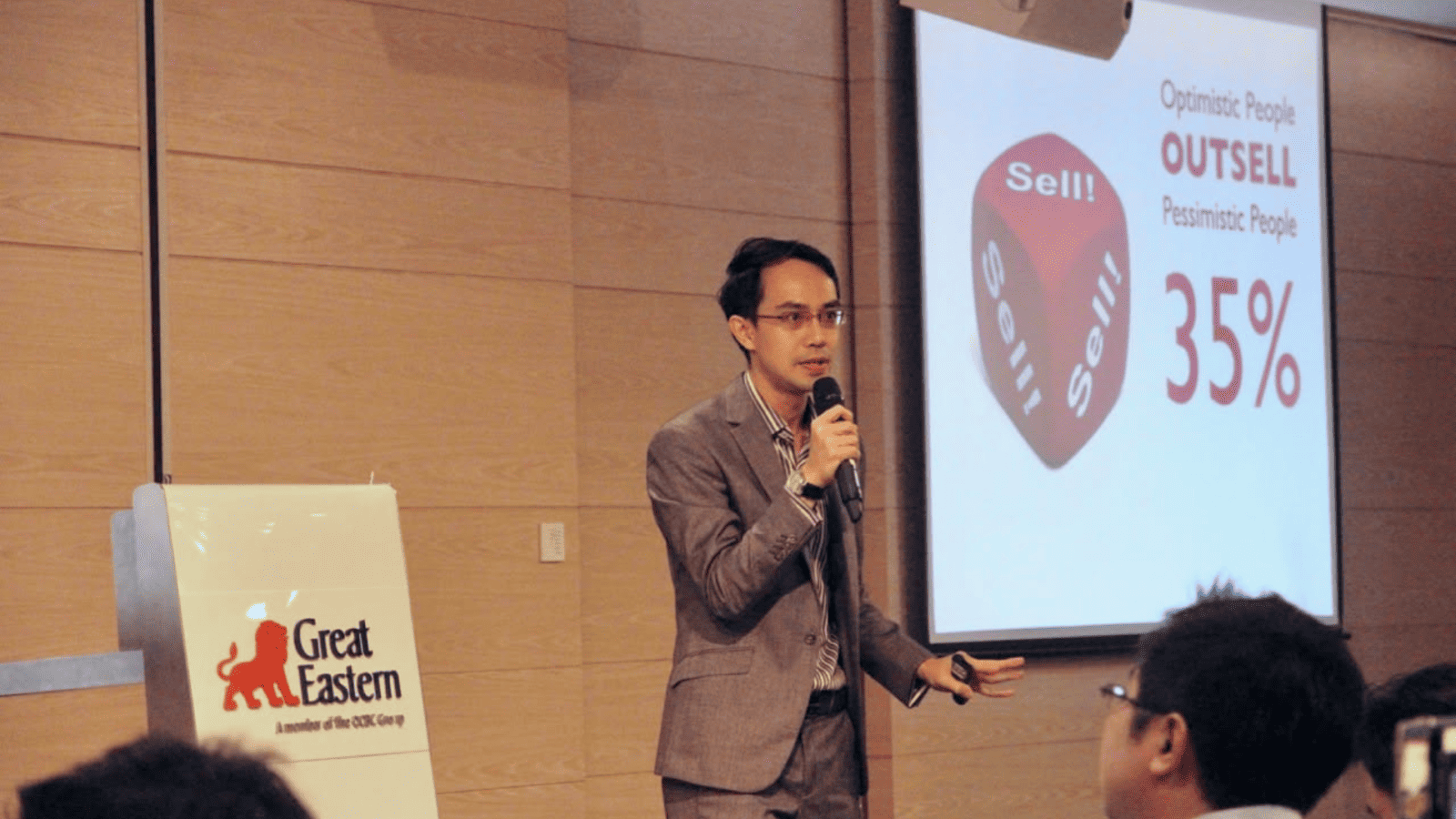
Every year, organisations around the world set aside time and budget to bring their people together: an annual conference, a leadership offsite, a regional kick-off, a company-wide town hall. It is fair to ask whether a motivational keynote speaker belongs in that plan, or whether the money is better spent elsewhere.
My answer, after years of speaking at corporate events, is yes, with one condition. Work today is shaped by constant change, from new technology and shifting customer expectations to hybrid teams and leaders under pressure to deliver more with less. In that world, a corporate event is one of the few moments when a whole team pauses the daily rush and listens to the same message together. The right keynote speaker turns that moment into momentum. The wrong one simply fills a slot on the agenda.
Below are the reasons your next corporate event needs a motivational keynote speaker, and how to find the right speaker so the ideas leave lasting impact well after the conference ends.
Key Takeaways
- A motivational keynote should connect inspiration to real workplace challenges, not just create a temporary boost in energy.
- The best speakers help employees find their own motivation by connecting everyday work with a greater sense of purpose.
- One clear, relevant idea can influence workplace culture when leaders reinforce it through consistent actions.
- Choosing the right speaker means looking beyond presentation skills to audience fit, practical insights and alignment with your corporate event objectives.
Because a Great Programme Doesn’t Guarantee Real Change
A corporate event can tick every box on paper and still change very little. The reason is rarely the programme itself. It is the assumption that a high energy keynote speech will automatically produce results. Energy lifts a crowd for an hour. Only a message that connects to the daily challenges your team faces can keep that lift going once everyone is back at their desks.
Part of the problem is a perception gap at the top. McKinsey research shows that during transformations, 86 per cent of senior executives believe they are actively role-modelling the change they want to see, but only 53 per cent of employees agree. In other words, leadership often believes the message has landed when the audience has not received it.
A corporate keynote speaker who understands this gap does not simply inspire the audience. They name the gap, in the room, in plain language, and give people something practical to do about it.
Because the Best Motivation Comes From Within

Let me be direct. Motivation that comes from outside, the rousing speech, the standing ovation, is a spark. It has its place. But a motivational speaker who only supplies sparks leaves your team waiting for the next one.
What you want is a speaker who helps people find motivation that comes from within. The same McKinsey research found that intrinsically motivated employees are 32 per cent more committed and 46 per cent more satisfied with their jobs, suffer less burnout, and perform 16 per cent better. That is what high performance looks like in practice. It isn’t shouting louder. It is helping people connect their daily work to something that matters to them.
So when I speak at a corporate event, I am not trying to pump anyone up. I am trying to unlock potential that is already in the room, by giving leaders and teams a way of thinking they can use immediately.
“A keynote should never be the high point of your conference. It should be the starting point of your team’s next chapter.”
-Kenneth Kwan
Because One Clear Idea Can Shift a Culture
When Satya Nadella became CEO of Microsoft in 2014, he did not open with a new product roadmap. He opened with a mindset. He championed a shift from a culture of “know-it-alls” to one of “learn-it-alls”, drawing on the growth mindset research of psychologist Carol Dweck, and he kept repeating it until it shaped how teams collaborated, took risks and learned from failure.
The lesson for any corporate event is this: culture does not change because someone gave one brilliant speech. It changes because one clear idea is reinforced, practised and role-modelled over time. The best keynote speech gives your leaders that one idea and the language to carry it forward.
Six Filters for Choosing the Right Speaker
When clients ask me how to choose the right speaker for a conference, I suggest these filters.
1. Relevance to your audience. A world class speaker for a sales conference is not automatically right for a leadership offsite. Ask how the speaker will adapt the message to your people, your industry and the challenge you are facing. A good speaker will ask you far more questions than you ask them.
2. Actionable strategy, not just inspiration. Ask what your team will be able to do differently the next day. If the answer is vague, keep looking. The best speaker event experiences leave people with two or three practical ideas they can apply that week.
3. Depth of expertise. Look for a thought leader with real experience, someone who has worked with executives and organisations, ideally an author or founder with a track record you can verify. Watch recent footage, read their articles and speak to previous organisers.
4. Resilience and change. The world your people work in is changing fast. A strong corporate speaker should help your team navigate uncertainty, build resilience and treat change as a challenge to meet, not a threat to survive.
5. Audience engagement. Can this speaker inspire the audience and also involve them? The best sessions include questions, short exercises and moments for people to reflect, not just a one-way presentation.
6. A message that fits your event. Share your conference theme and objectives early. If you want a keynote speaker corporate leaders will remember, the message needs to tie back to your goals for the year.
Because Big Change Needs a Shared Moment
Closer to home, DBS Bank under Piyush Gupta set out to be seen less as a traditional bank and more as a technology company, asking its people to think and work with the agility of a start-up. That did not come from an event alone. But the way the leadership team kept bringing people together, sharing the same story and inviting everyone to take part is a useful reminder of what a corporate event can do when it is part of a bigger plan.
The point is not the technology. It is that the organisation connected a bold message to repeated action, and gave its employees a reason to believe it.
Before You Sign: Questions Worth Asking
Before you sign anything, I would put these questions to any speaker or agency:
- What is the single idea my audience will remember a month from now?
- How will you tailor your keynote to our team, our industry and our current challenges?
- What will leaders and employees be able to do differently the next day?
- Can I speak to a recent organiser who booked you for a similar corporate event?
- Is there a way to extend the impact after the event, through a short workshop, a leadership follow-up or discussion guide?
And on budget: be honest with your speaker about what you can invest. A good motivational speaker would rather find a format that works for your budget than sell you something you don’t need. Keep in mind that the fee is only part of the cost. A poorly matched speaker costs you the time of everyone in the room.
What You Can Expect When I Speak at Your Event
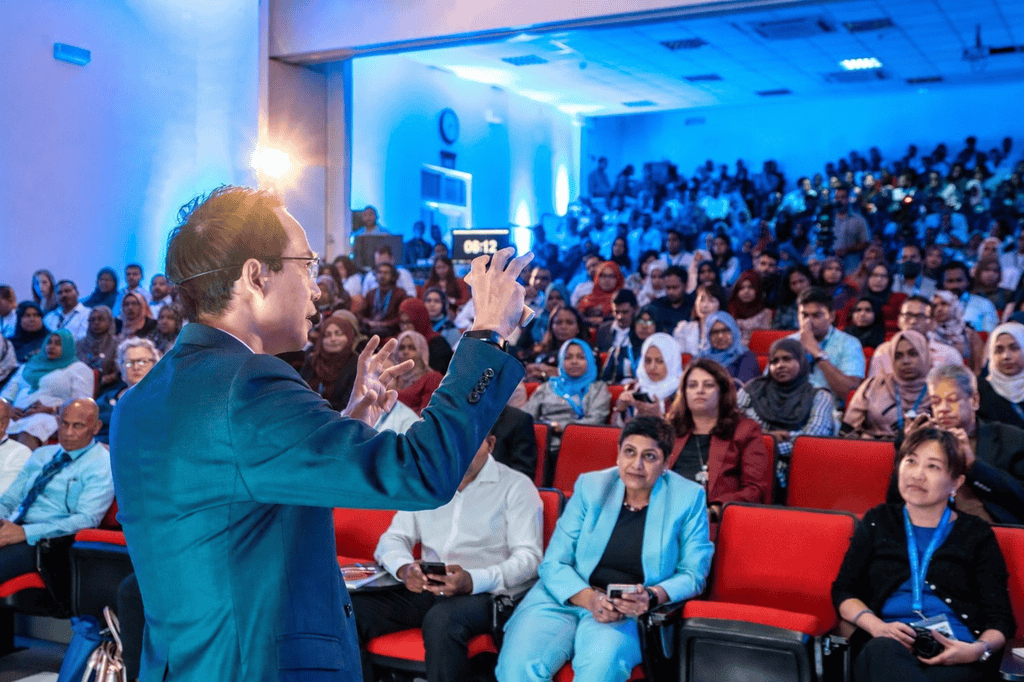
I have spent my career working with leaders, teams and organisations in Singapore and across the region, helping them build high performance cultures, lead through change and make better decisions. When I speak at a corporate event, I start with your goals and your people. We agree on what success looks like. Then I build a message around it, with real stories, a practical framework and plenty of room for the audience to take part.
Whether it is a leadership conference, a company-wide town hall or an offsite for senior executives, the aim is the same: to help your team leave with a clearer mindset, stronger connection and a few practical ideas they can apply straight away.
Let’s Make Your Next Corporate Event Count
The right motivational keynote speaker will not do your leadership work for you. But they can open the door. They can shift how your people think about their work, their team and their purpose, and give them tools to walk through it.
If you are planning a corporate event and want a keynote that leaves a lasting impression, I would be glad to talk. Get in touch to discuss your event, your audience and what you want people to do differently when they leave the room.
Frequently Asked Questions
1. What topics can a motivational keynote speaker cover?
Topics vary depending on the challenges your organisation wants to address. Popular choices include leadership development, building high-performance teams, resilience, managing change, workplace communication and employee engagement. The best topic is one that connects directly with your business priorities.
2. How long should a corporate keynote speech be?
A corporate keynote typically lasts between 30 and 60 minutes. The ideal duration depends on the event schedule, audience size and complexity of the topic. Organisations can also combine a keynote with a workshop or follow-up session for deeper discussions.
3. Can a motivational keynote speaker address senior leaders and employees in the same session?
Yes. A well-planned keynote can address shared workplace challenges while offering perspectives relevant to different roles. The speaker should understand the audience mix and use examples that connect with both leadership and employees.
4. What makes a corporate keynote speech memorable?
A memorable keynote connects with the audience through relatable stories, relevant examples and ideas they can put into practice. Rather than simply delivering an energetic presentation, the speaker gives people something meaningful to reflect on after the event.
Read more: Corporate Motivational Speakers Who Develop Leaders, Not Just Energy