Company retreats
Multi-day offsites that leave the team aligned, energised and moving, not just entertained.
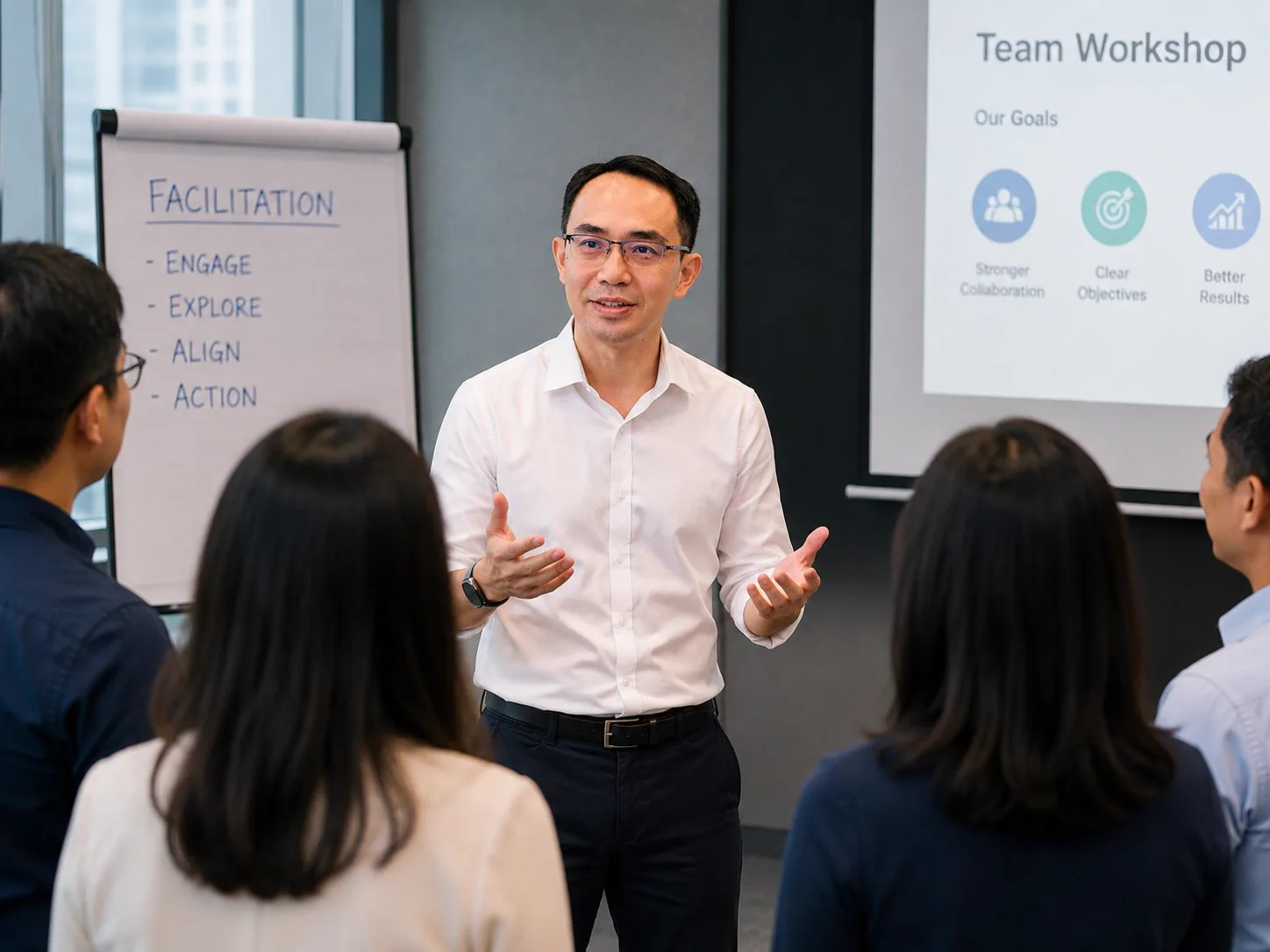
Facilitation
Decisions, Not Decks
Kenneth Kwan provides strategic facilitation in Singapore and across Asia-Pacific for leadership teams navigating important decisions, competing priorities and complex business challenges.
From strategy planning sessions and leadership retreats to company offsites, post-merger workshops and high-stakes discussions, each session is designed to move the group from discussion to decisions, alignment and agreed next steps.
Engagement Snapshot
The Session
A facilitator is the impartial third party in the room. We hold the process, manage the energy of the discussion, surface the perspectives that would otherwise stay unsaid, and move the group towards a useful outcome, without owning the decision on the team's behalf.
Leadership teams get stuck in familiar patterns: revisiting the same issues, circling the sensitive ones, or leaving the room with broad agreement and unclear ownership. When the person chairing is also the person with the most at stake, the conversation narrows further and the quieter expert says nothing.
Sessions are designed with you beforehand, the question to be answered, who needs to be in the room, and what a good outcome looks like, so the day itself is spent working rather than scoping.
What You Get
Methodology
Our proprietary four-step facilitation framework, used across every facilitation engagement, from a three-hour board discussion to a three-day regional retreat. It is the discipline that turns discussion into clearer choices and agreed next steps.
Align the group on the outcome first, what success looks like, specifically, by when, and for whom.
Surface where the team actually is today, honestly, while keeping the conversation constructive and forward-looking.
Identify the strategic levers already working and worth amplifying, separated from the noise of everything else.
Convert insight into ownership: specific actions, named owners and next steps agreed before anyone leaves the room.
How We Work
Every engagement is designed around your session, from a single board discussion to a multi-day leadership retreat.
Thirty to sixty minutes with your sponsor to understand the context, the people in the room, the business moment, and what a successful session looks like.
We shape the agenda around the DEEP Model and your objectives, pre-reads, room flow, discussion structure, breakout design, and how the outputs get captured on the day.
In person or virtual. The facilitator holds the structure, manages the energy of the room, surfaces the useful tensions, and keeps the group moving towards the agreed outcomes.
Where it is in scope, a written summary of the key themes, decisions, owners and agreed next steps after the session.
Where It Fits
Every engagement is tailored to the context; the DEEP Model provides the process discipline underneath.
Multi-day offsites that leave the team aligned, energised and moving, not just entertained.
Turn annual strategy discussions into clearer priorities, sharper choices and shared ownership.
Structured work that strengthens working relationships, trust and collaboration beyond surface-level activities.
Time away from the operating rhythm for a leadership team to work on how it leads, not just what it delivers.
Master-of-ceremonies and panel facilitation that keeps a large-room agenda moving with energy.
Structured working sessions where the team produces a concrete output, a charter, a roadmap, a playbook.
High-stakes board, EXCO and cross-functional meetings where a neutral facilitator changes the quality of the conversation.
Take a strategy that is already agreed and work out who owns what, what is blocking it, and how progress gets checked.
Formats
3-4 hours for a focused board or EXCO discussion with one question to answer.
A full day to set or reset direction, with pre-work and a written outcome.
Two to three days for leadership teams working through direction and operating model.
Run online where the group is spread across markets, with the same structure and capture.
Best-fit Moments
Meet Your Strategic Facilitator
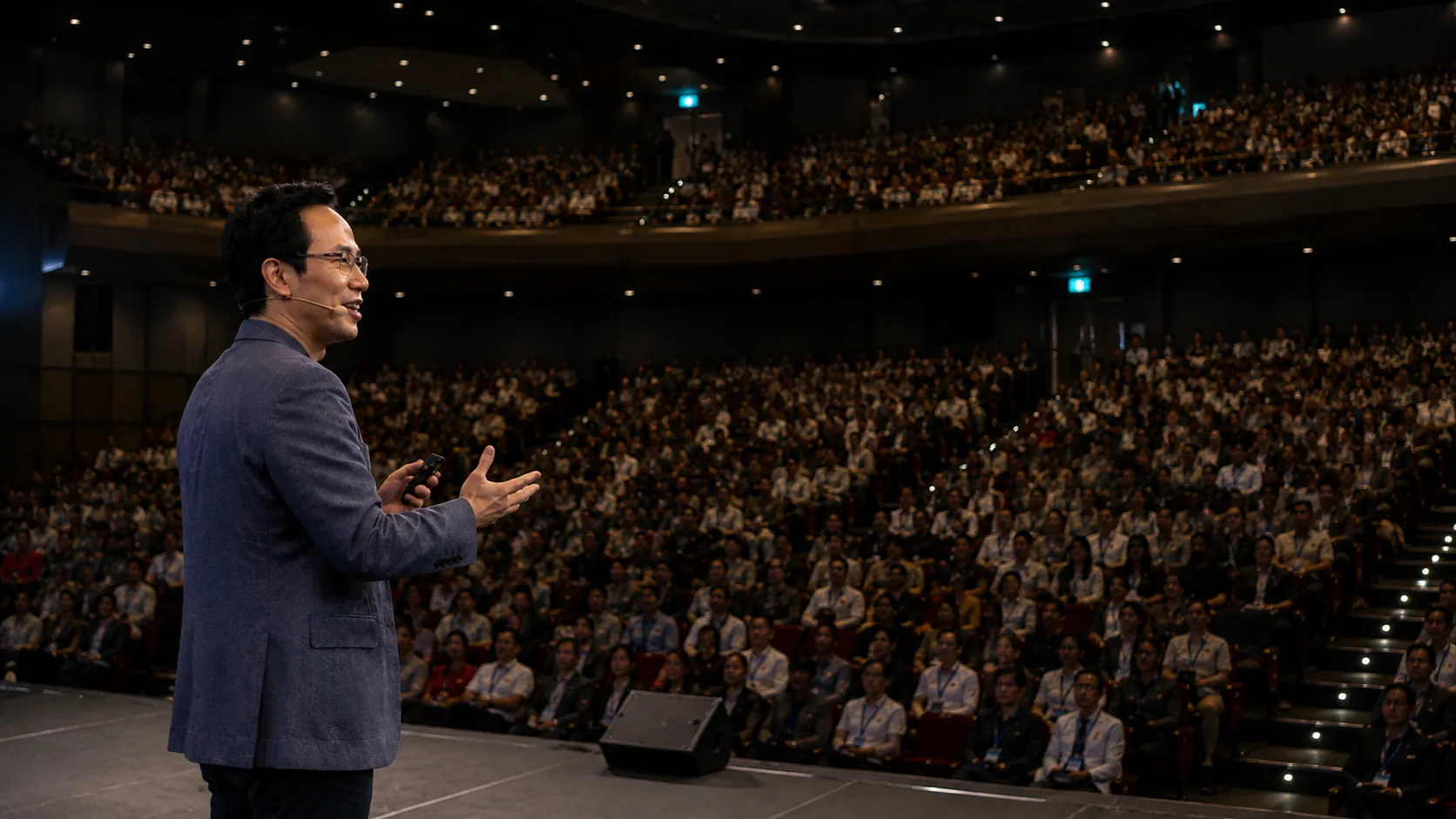
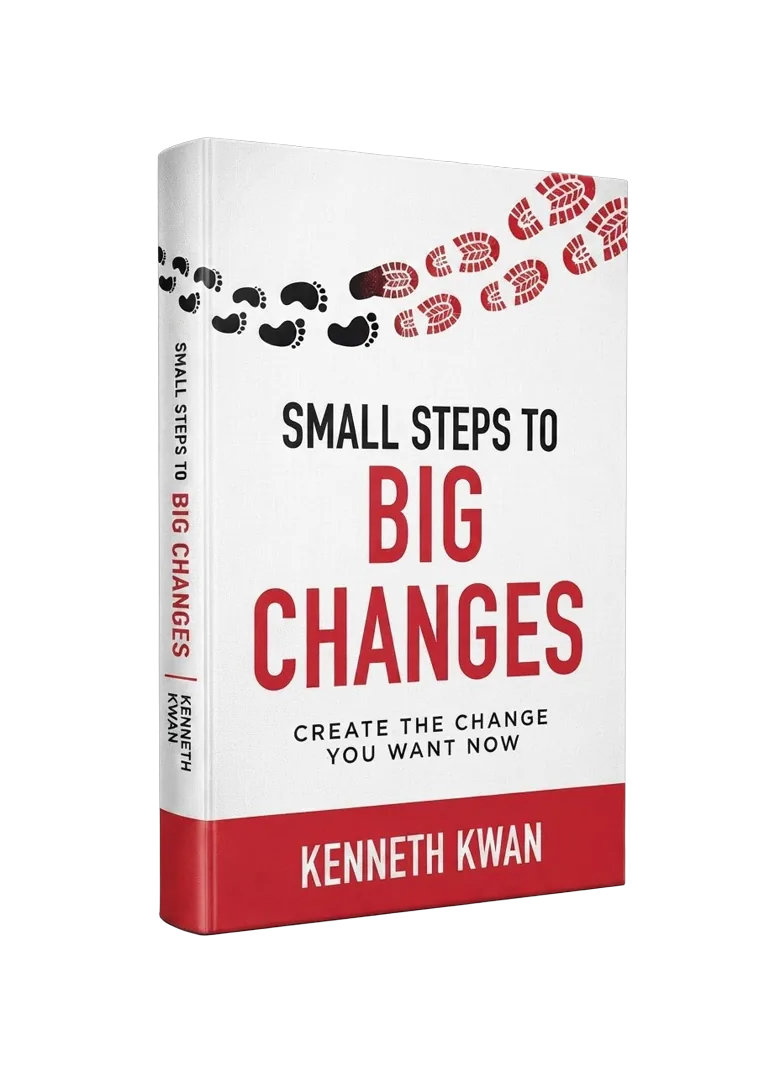
Kenneth Kwan is a strategic facilitator, leadership consultant and Certified Speaking Professional (CSP) who helps leadership teams turn complex discussions into clearer decisions, stronger alignment and practical action.
With over 18 years of experience working with 285+ organisations and leaders from more than 40 countries, Kenneth has facilitated leadership retreats, strategic planning sessions and organisational discussions across corporate, government, healthcare, education and research environments.
His facilitation goes beyond keeping conversations on track. Using the DEEP Model®, Kenneth helps teams surface different perspectives, challenge assumptions, identify what is already working and translate strategic conversations into agreed priorities and next steps.
His work has supported organisations navigating strategic alignment, organisational change, culture transformation and cross-functional collaboration, with engagements designed around real business challenges rather than generic workshop activities.
Kenneth has worked with organisations including Singapore Exchange (SGX), SingHealth, A*STAR, SIA Engineering and other multinational and public-sector organisations.
The goal is simple: people should leave the room not just having had a good discussion, but knowing what matters, what has been decided and what happens next.
FAQ
A strategic facilitator holds the process of a session so a leadership team can focus on the real business question in the room, not on managing the room itself. Rather than owning the outcome, the facilitator designs the discussion around a clear objective, guides the group step by step, and helps senior leadership move from open conversation to a shared decision with named owners. The role is practical: leaders leave with clarity and a plan, not just notes from another meeting.
Team building is typically about strengthening trust and relationships within a team, often through activities set apart from day-to-day work. Strategic facilitation is different, it's applied directly to a real business issue a leadership team is trying to work through, using a structured process to drive the group toward practical decisions. Some sessions help build culture as a useful byproduct, but that's not the primary aim of a strategic facilitation engagement.
Strategic planning is the broader exercise of setting direction, priorities and resource allocation for an organisation, often produced by a management team over several weeks. Strategic planning facilitation is the structured planning session where that work actually happens live, where a facilitator holds the room, manages group dynamics, and helps an executive team develop and work through the discussion in real time rather than reviewing a deck.
Common moments include an annual strategy day, a leadership retreat, post-merger integration, a cross-functional stalemate, or any high-stakes discussion where decision making has stalled. An executive team benefits most when internal dynamics, hierarchy, competing priorities, unresolved conflict, make it hard for the person chairing the meeting to also hold the process impartially, and a neutral guide helps drive the conversation forward instead.
For lower-stakes discussions, yes. It gets harder as the stakes rise. When the leader running the session is also the person with the most at stake in its outcome, a common situation for CEOs and department heads, participants tend to hold back, and the conversation narrows. An external facilitator removes that dynamic and gives quieter people in the room a genuine route into the discussion, which in turn tends to support better decision making.
That's often exactly why a facilitator is brought in for conflict resolution. Disagreement that surfaces in the room, in front of the group, is easier to work through than disagreement that stays under the surface and resurfaces after the offsite. Holding that tension constructively, without forcing consensus, but making sure the real issues get named, is one of the core skills a facilitator brings to a high-stakes conversation, and it protects team dynamic rather than papering over it.
Group size is bespoke, shaped around the objective, the people in the room, and the room design. A small executive team of five or six needs a different structure to a full leadership team or cross-functional group of several dozen. Larger groups typically need more breakout structure so every participant, senior or junior, has a genuine chance to be heard and to influence the outcome.
The outcome is a set of agreed decisions, each with an owner and a date, not simply a good discussion. Where documentation is in scope, the team also receives a written record of the session: what was decided, and what was deliberately left open, so momentum carries into implementation instead of quietly resurfacing as unfinished business later. It's this outcome, more than the day itself, that determines whether the engagement created real impact.
No. A training programme is designed to build skill, transfer knowledge and equip people with new capability through structured learning. Facilitation is designed to help a team think, discuss, align and decide on a real business context. There may be light learning moments along the way, but the primary outcome is group progress, not completion of a programme or course.
No. A consultant is typically brought in to research a problem and provide a recommendation. A facilitator holds the process so the team develops its own answer, drawing on the experience and expertise every stakeholder already brings into the room. This distinction matters for growth and buy-in: decisions a leadership team reaches together tend to stick, drive real change, and support stronger performance than ones simply handed down.
A strategic facilitator Singapore leadership teams engage with locally understands regional business context, cross-cultural team dynamics, and the practical realities of running sessions across APAC time zones and corporate culture, while applying the same rigorous process, built around the DEEP Model, to every engagement, whether it's a half-day EXCO discussion or a multi-day retreat.
Yes, though that's a byproduct rather than the primary goal. A well-designed session gives a leadership team practice at effective communication: surfacing disagreement early, listening across seniority levels, and having the kind of honest, structured conversation that builds strategic thinking and carries back into everyday work, supporting stronger trust, alignment and sustained growth long after the session ends.
The professional fee typically covers the discovery call, session design fit for your context, delivery on the day, and documentation of the outcome. Additional stakeholder interviews, post-merger follow-up work, or implementation support can be scoped separately depending on what the organisation needs.
Also Available
High-energy keynotes that shift mindsets and send your audience home with practical, doable next steps.
Learn moreHands-on sessions that go beyond inspiration, equipping teams with the tools, strategies and frameworks to implement real change.
Learn moreCoaching built around the leader's real situation, not a curriculum, and measured against the business outcomes agreed at the start.
Learn moreReady when you are