August 4, 2026
Workplace Culture Keynote Speaker to Build Trust, Ownership, and Performance
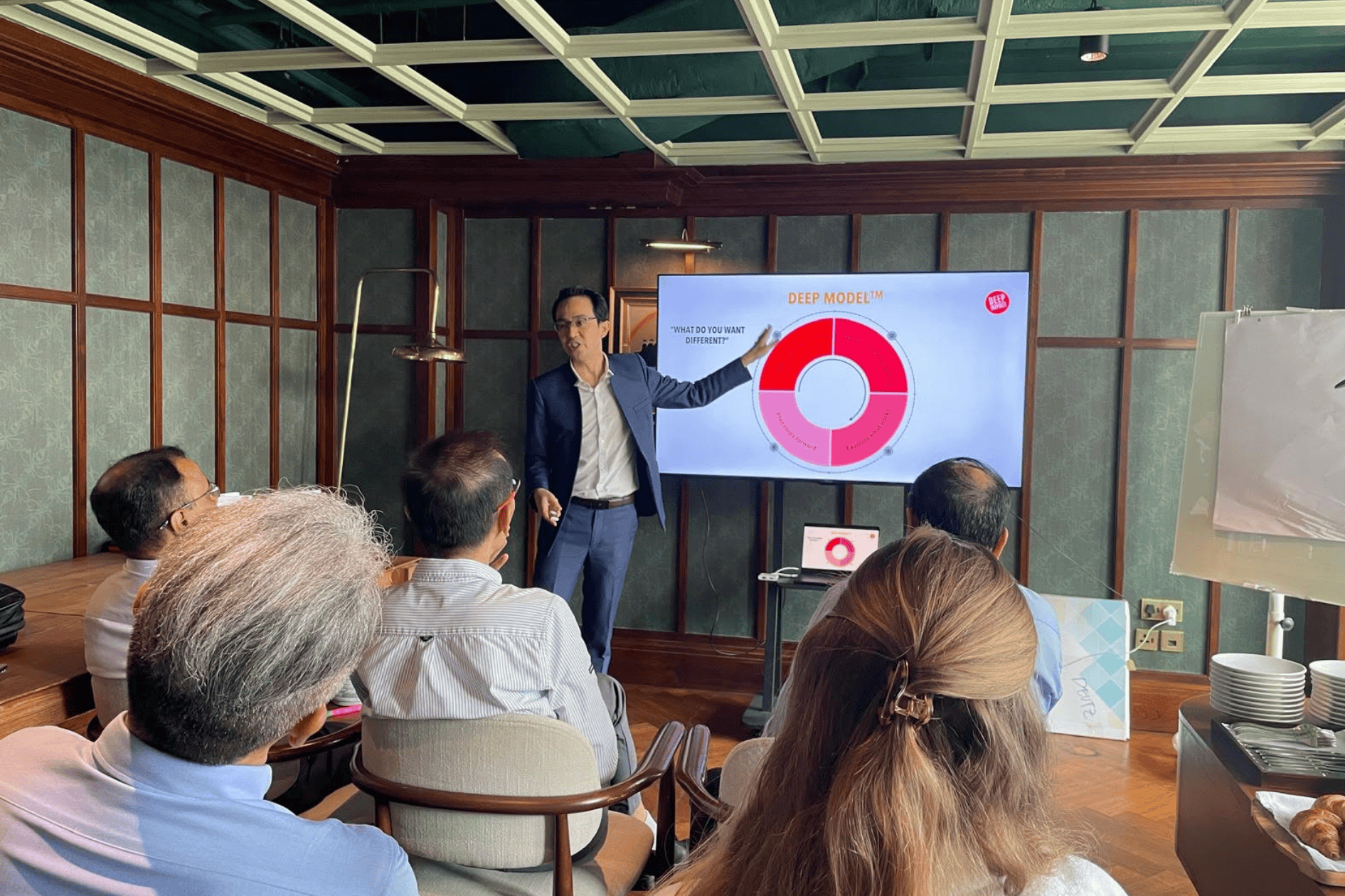
Most organisations don’t lack values. They lack daily proof. I get called in as a workplace culture keynote speaker when employees can recite the words on the wall, yet still protect territory or wait for permission. In my experience, culture is revealed in meetings, handovers, and how quickly somebody speaks plainly under pressure.
Key takeaways:
- Culture changes when values become visible behaviour
- Trust, ownership, and performance are linked not separate initiatives
- A strong keynote gives the audience one practical action, not a long list
- Small steps create momentum faster than another campaign
- Leadership follow-through still determines what lasts
Culture is what gets repeated, not what gets written down

I’ve watched leaders build culture more effectively when they stop polishing slogans and start noticing what gets repeated each week how mistakes are handled, how disagreement is received, whether an action leaves the meeting with a named owner.
This isn’t just a hunch. McKinsey’s research on organisational transformations found that more than half of companies (53%) that successfully improved performance did so by focusing on employee commitment and engagement building a culture where people feel empowered, included, and heard. That’s the mechanism I try to reproduce on stage: not morale for its own sake, but the specific behaviours that make commitment visible.
The chain is simple. When people feel safe speaking honestly, issues surface earlier. When issues surface earlier, ownership becomes clearer. When ownership is clear, performance tends to follow without another strategy speech. That’s why I treat a culture keynote as a session about behaviour, not a session about morale.
If accountability is the value in question, I ask what it looks like. It’s often as simple as ending every meeting with one owner, one next step, and one date. A value becomes credible when employees can see it in action not when management repeats it more loudly.
Small actions build trust faster than another culture campaign
A strong workplace culture rarely begins with a big declaration. It usually begins with one person doing one useful thing differently.
I use my Small Steps To Big Changes® approach because most change efforts ask for sweeping belief before any visible proof. I’d rather help an audience choose one move they can practise immediately. Small doesn’t mean trivial. It means repeatable under real business pressure.
Deloitte’s Global Human Capital Trends research backs the same instinct: organisations that build workers’ capacity to grow, contribute ideas, and do meaningful work see measurably better outcomes, they are 1.8 times more likely to report better financial results and 1.6 times more likely to say they provide workers with meaningful work. That gap is the difference between a culture built on proof and one built on posters.
Motivation follows action more often than the reverse. Many teams wait to feel better before they contribute better, but I’ve seen it work the other way round more often: someone speaks up once, notices the conversation improve, and confidence follows the action. That’s how ownership starts to grow in a healthier work culture.
A good workplace culture keynote shouldn’t end with “that was interesting.” It should end with “here’s the one thing I’ll practise.” I’m not trying to inspire for an hour. I’m trying to shift what the audience does the next day. I’ve seen this play out with a cross functional team inside a large public healthcare system, where the room started with familiar frustration: too many handovers, too many delays. Asking each table for one action fully within its own control, before the next review, moved the conversation from complaint to ownership.
The questions a leader permits shape the culture that follows
The questions leaders allow, encourage, and repeat gradually become the culture of the employee. If meetings revolve around who made the mistake, people learn to protect themselves. If conversations regularly ask what we can learn, what we can improve, and what the next useful step is, people become more willing to contribute.
I’ve found that changing the quality of a discussion often starts with changing the first question. Instead of asking, “Who caused this?” a leader might ask, “What have we learned?” or “What’s one thing we can improve before the next review?” Those questions don’t ignore accountability. They simply move the conversation towards progress instead of defensiveness.
Even without formal authority, anyone can influence the tone of a discussion through the questions they ask. Questions such as “What can we control?”, “What has already worked?”, or “Who else should be involved?” create clarity and ownership. They give people something practical to act on instead of leaving them stuck discussing the problem.
This becomes even more valuable across Singapore workplaces, where hierarchy and preserving relationships often shape how people communicate. A thoughtful question can invite honest discussion without putting people on the defensive, making it easier for teams to address difficult issues while maintaining trust and respect.
One of the clearest examples I know of this principle in action doesn’t come from a keynote at all it comes from Google’s internal research. Their multi-year study of what made teams effective, known as Project Aristotle. Google found that psychological safety, whether people feel safe to take interpersonal risks with each other, was the single most important factor separating its highest performing teams from the rest, mattering more than raw talent, seniority, tenure, or team size.
I bring that example into sessions because it makes a point senior audiences respect: this isn’t a soft skills nicety, it’s a performance variable, and it was discovered inside one of the most metrics driven companies in the world.
What to look for in a workplace culture keynote speakers
If I’m being considered as a workplace culture speaker, relevance matters more than stage volume. The better briefing question isn’t “can you energise the room?” It’s “do you understand the pressure this specific audience is under?” A mixed room of senior leaders, managers, and individual contributors doesn’t need generic energy. It needs a message that fits the context and the way the organisation actually works.
I think the sharper question to ask any prospective speaker is this: what should people practise immediately afterwards, and what language will managers reinforce a month later? Follow through matters more than the event itself, because no culture keynote speaker can promise to fix incentives, silence politics, or transform a company in one hour. I’d be wary of any speaker who suggests otherwise. A keynote can create clarity, connection, and momentum. It can’t replace consistent leadership or sound management.
Relevance matters most in complex organisations. In a session with leaders drawn from multiple public agencies, the shift came when the conversation moved from “what should corporate culture be?” to “what would we notice by next week if trust were improving?” That’s the test I’d apply for any complex, senior audience: can the speaker make the issue visible in daily behaviour, not just describe it?
Culture changes through what leaders reinforce next

Culture changes through what leaders reinforce next.
A culture keynote is the spark. What leaders reinforce afterwards decides whether anything lasts.
I’d pick one visible behaviour tied to the objective, make the sponsor visible, and keep the review light. Trying to improve ten habits at once scatters attention. Reinforcing one lets a new standard start to feel normal.
If you want to know whether a workplace culture keynote is landing, watch behaviour before you wait for the annual survey. Are owners clearer, meetings shorter, communication more direct? Those signals tend to move first, and they’re worth tracking on their own, whatever an engagement survey eventually shows.
A 45-minute keynote was never designed to transform a workplace culture on its own. Real culture change takes consistent leadership, reinforcement, and time.
What a keynote can do is shift how people think. It can challenge assumptions, create a shared language, and help people see their role differently. That change in perspective becomes valuable only when leaders build on it afterwards.
I can’t use one talk to build a great workplace culture where honesty is punished. What I can do is help an audience recognise one practical step they can take immediately. In my experience, that first step often matters far more than another abstract conversation about human potential.
Connect with Kenneth Kwan
If you’re looking for a workplace culture speaker who focuses on practical behaviour change rather than motivational slogans, I’d be happy to explore whether we’re the right fit. Every organisation faces different challenges, so the conversation starts with understanding your context, your people, and the behaviours you want to strengthen.
Let’s connect to discuss your next leadership or workplace culture keynote and how it can support lasting change across your organisation.
Frequently Asked Questions
Will a workplace culture keynote speaker actually change anything?
Yes, if I define change honestly. A keynote can sharpen attention, create shared language, and help employees choose one practical response. It won’t replace leadership follow-through, structural decisions, or better habits from the top.
How is this different from a motivational talk that fades after a week?
I focus on behaviour, not just feeling. The audience should leave with one clearer action, one better question, and one shift they can notice at work quickly. That gives the insight somewhere concrete to land.
What should I brief a speaker on before I book the event?
Brief the speaker on the culture priority, the audience mix, and the behaviour you want to see afterwards. Tell them what the room is facing now, whether trust is low, and where ownership gets stuck. The clearer the brief, the more useful the keynote becomes.
Read more: Accountability issues in the workplace often trace back to how leaders behave.