September 25, 2026
Speakers for Corporate Events: A Culture-Fit Planning Checklist for Organisers
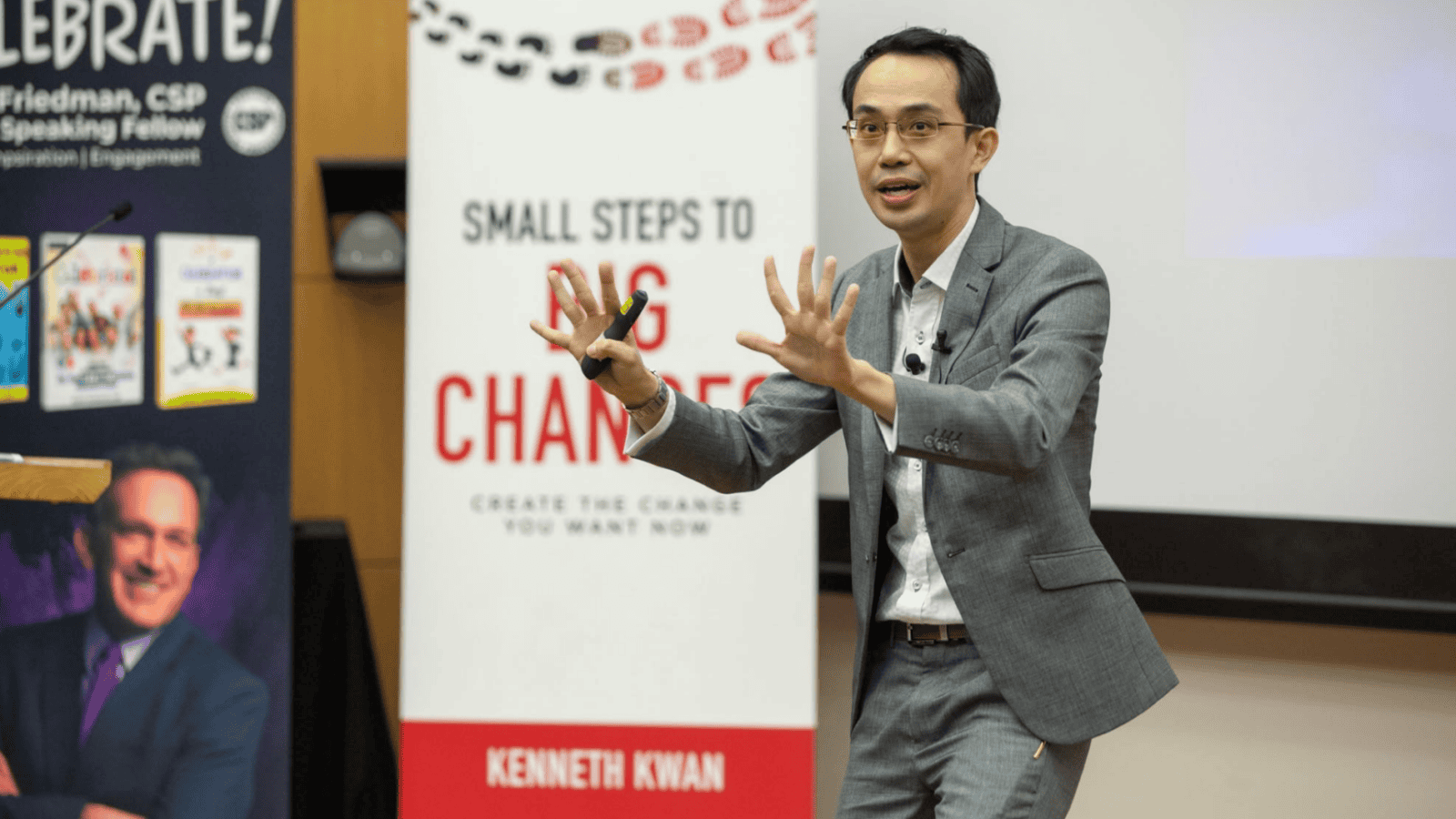
Every event organiser I speak with eventually asks me the same question: how do we know if a speaker will actually fit our culture, before we’ve committed the budget and the stage time? It’s a smart question, because booking speakers for corporate events is rarely about finding the most polished performer in the room.
It’s about finding someone whose message will actually land with your people, and whose style matches how your organisation genuinely works. Over the years I’ve built this into a practical checklist I share with organisers, because culture fit isn’t something you can guess at. It’s something you can plan for, well before the invitations go out and the agenda is locked in.
Key Takeaways
- Culture fit matters more than reputation when booking speakers for corporate events. A big name doesn’t guarantee the message will land with your audience.
- The right speaker tailors the talk to your organisation’s leadership style, pressures and culture, rather than delivering the same deck to every audience.
- Culture is directly tied to business performance. According to PwC’s 2021 Global Culture Survey, 69 percent of business leaders whose organisations adapted well through disruption said their culture had been a source of competitive advantage.
- A good keynote speaker leaves participants with a practical shift in mindset or behaviour, not just a memorable hour on stage.
- Working with a speaker agency or speakers bureau is a useful starting point, but organisers should still ask for a direct conversation with the speaker before booking.
- The real measure of a good speaker is what changes weeks or months after the event, not how the room felt on the day.
Start With What Your Audience Actually Needs

Don’t book on reputation alone
Before I ever agree to a corporate event, I ask the organiser what their audience is dealing with right now. Is this a leadership team navigating a difficult transformation? A team gearing up for a big push and needing energy more than introspection? A company wide town hall trying to rebuild trust after a restructure? The right keynote speaker for one of these rooms might be completely wrong for another, even if the topic on paper looks the same. A talk built for high energy and momentum can feel tone deaf in a room that needs honesty and space to process change, and a reflective, quiet session can fall flat with a team that needs to be energised before a big milestone.
Insist on a tailored talk
I always tell organisers: don’t book a speaker off reputation alone. Book someone who has asked what your audience actually needs, and who is prepared to tailor the talk around it rather than delivering the same deck they gave last month to a different industry entirely. A good sign is a speaker who asks more questions than they answer in that first conversation.
If a prospective speaker is happy to confirm a booking without ever asking about your team, your leadership style or what’s really going on inside the business, that’s usually a signal the content will be generic, however polished the delivery.
Check Whether the Speaker Understands Your Leadership Context
A good speaker corporate event organisers can rely on will want to understand your leadership team before they understand your seating plan. I spend time before every session learning how leaders in that organisation communicate, what pressure looks like for them, and what “good performance” actually means inside that business.
A speaker who skips this step might deliver a technically strong keynote that still feels disconnected from the room. One who does the work can turn a generic conference session into something that genuinely helps leaders shift mindset, because the content reflects real, lived experience rather than a borrowed framework pulled from somewhere else entirely.
Harvard Business Review’s guide to corporate culture makes a point I come back to often: culture shifts through consistent leadership behaviour, not through a single high energy hour on a conference stage. That’s a useful reminder for organisers too. A great speaker doesn’t just create a good feeling in the room. They help leaders walk away with a clearer, more practical sense of how their own communication style and habits shape the culture around them, long after the session ends and everyone’s back at their desks.
Ask How the Speaker Defines Long Term Impact
Look beyond applause
I always encourage organisers to ask a prospective speaker one blunt question: what do you want people doing differently a month from now? A motivational speaker who focuses purely on energy might deliver a brilliant hour, but if there’s no practical takeaway, the impact fades fast. I’d rather leave an audience with one idea they can genuinely use than ten insights they’ll forget by the following week. This is especially true for leadership conferences and executive sessions, where participants are often under real pressure and need something they can apply immediately, not just a memorable turn of phrase they’ll quote once and never think about again.
Why culture is tied to performance
PwC’s 2021 Global Culture Survey, found that 69 percent of business leaders whose organisations adapted well through disruption said their culture had been a source of competitive advantage. I share that because it reinforces something organisers instinctively know but sometimes forget when they’re booking talent under time pressure: culture isn’t a soft topic tacked onto the agenda. It’s directly tied to business performance, resilience and how well a team handles change. A speaker who treats culture as decoration, rather than substance, is unlikely to leave a lasting mark, no matter how good the delivery is on the day.
Look Past the Speakers Bureau Shortlist
Working with a speaker agency or a speakers bureau can be a good starting point, but I’d encourage organisers not to stop there. Credentials and a strong reel tell you a speaker can perform. They don’t tell you whether that speaker will take the time to understand your organisation’s culture, your leadership style, or the specific pressure your team is under this year.
When I’m approached through an agency, the first thing I do is ask for a proper conversation with the organiser, not just a brief. I want to understand the tone of the event, the make-up of the audience, and what “success” looks like for the people in the room, whether that’s a shift in mindset, a boost in energy heading into a busy period, or a genuine improvement in how leaders communicate under pressure.
Match Tone to the Moment
Every corporate event has a different emotional register, and I think this is one of the most overlooked parts of culture fit. A high performance team gearing up for a big push wants energy and momentum. A leadership team working through a tough transformation wants honesty and practical resilience, not hype.
Getting this wrong is one of the fastest ways a keynote speaker can feel out of step with an audience, even if the content itself is good. Before booking, I’d ask any speaker how they plan to set the tone for your specific session, and whether they’re prepared to adjust that tone based on what’s genuinely happening inside your business right now, rather than what worked well for a different client last year.
Think About What the Speaker Leaves Behind
The best sessions I’ve delivered aren’t the ones people remember for the jokes or the energy in the room, although those things matter too. They’re the ones where a leader tells me, months later, that something shifted in how they run meetings, how they support their team, or how they think about pressure and performance.
That’s the real test of a good speaker for a corporate event: not how the room felt for an hour, but what changed afterwards. When you’re planning your shortlist, ask every candidate how they think about long term impact, and whether they have real experience helping organisations translate a good keynote into lasting change rather than a temporary boost in morale.
Your Culture-Fit Speaker Checklist

To make this easier to apply, here’s the checklist I walk organisers through when they’re planning a corporate event.
Before you contact a speaker
☐ Define what the audience actually needs leadership development, energy, resilience or better communication before looking at names
☐ Get clear on the tone the event calls for (a high energy event needs a different speaker than an honest leadership session)
☐ Decide what success looks like beyond the hour on stage
☐ Confirm whether you need a keynote, a session tailored to one team, or a message for a company wide audience
When shortlisting a speaker
☐ Ask whether they’ll tailor the talk to your organisation, or deliver the same deck they give everyone else
☐ Ask how they research a client’s culture and leadership style before they speak
☐ Ask for real examples of how they’ve adjusted tone or content for different audiences
☐ If sourcing through a speaker agency or speakers bureau, push for a direct conversation with the speaker, not just a profile
Before confirming the booking
☐ Share real context: current pressures, recent changes, leadership dynamics and where morale genuinely sits
☐ Ask the speaker what they want participants doing differently a month later, not just how they want them to feel that afternoon
☐ Confirm they understand the difference between entertaining a room and creating lasting impact
☐ Check that their approach fits your culture, not just your budget or availability
After the event
☐ Follow up with leaders on what actually shifted in how they communicate or lead
☐ Assess whether the session created a practical, long term change, rather than just a good feeling on the day
☐ Note what worked well, so your next booking is sharper, not just safer
Bringing It Together
Culture fit isn’t a box to tick at the end of the booking process, even if the checklist above happens to have boxes on it. It’s the lens organisers should use from the very first conversation with a prospective speaker. Ask about their experience with audiences like yours. Ask how they’ll tailor the talk to your leadership style and your organisation’s real pressures. Ask what they want people doing differently once the applause has died down. And don’t be afraid to push past a polished profile to have an honest conversation about whether this speaker actually understands the world your team works in.
I approach every corporate event this way, because I’d rather deliver a session that genuinely reflects an organisation’s culture than one that simply fills an hour on the agenda. If you’re planning your next conference, leadership offsite or company wide event, use the checklist above: relevance over reputation, tailored content over a generic deck, and a clear idea of the change you want your people to walk away with. Get that right, and the right speaker won’t just entertain your audience. They’ll help build the kind of culture and performance your organisation is actually working towards.
Ready to Bring the Right Fit to Your Next Event?
If you’re planning a corporate event and want a speaker who takes the time to understand your culture, your leadership style and what your team actually needs, I’d love to have that conversation. Connect with Kenneth Kwan to talk through your event, your audience and how we can make the session genuinely relevant to your organisation, not just another keynote on the agenda.
Frequently Asked Questions
How do I know if a speaker will fit my organisation’s culture?
Ask them directly how they prepare for a session. A speaker who wants to understand your leadership style, current pressures and what your team is going through will tailor the talk accordingly. One who doesn’t ask these questions is more likely to deliver generic content.
Should I book through a speaker agency or speakers bureau?
Both can be a useful starting point for building a shortlist, but I’d encourage organisers to go beyond the profile and have a direct conversation with the speaker before confirming. That’s the only way to really gauge culture fit.
What’s the difference between a motivational speaker and a keynote speaker for a corporate event?
The labels overlap more than people expect. What matters more than the title is whether the speaker tailors their message to your audience and leaves participants with something practical, rather than just energy that fades once the session ends.
How far in advance should I book a speaker for a corporate event?
This varies by availability and the level of preparation involved, but I’d recommend giving enough lead time for a proper conversation about your organisation’s culture and goals, not just a date on the calendar. A rushed booking usually means a less tailored session.
What should I ask a speaker before confirming a booking?
Ask how they’ll adapt the talk to your audience, what they want participants doing differently afterwards, and whether they’ve delivered sessions for similar leadership contexts before. Their answers will tell you more than their reel will.
Does culture fit really affect the outcome of a corporate event?
Yes. A session that ignores your organisation’s culture and pressures might still entertain the room, but it’s less likely to create lasting change. Culture-aware content tends to be the difference between a talk people enjoyed and one that actually shifted how people lead or work.
Read more: The Cost of Getting It Wrong: When Corporate Keynote Speakers Miss the Mark