October 19, 2026
Professional Keynote Speaker in Singapore and Asia Leaders Trust

A corporate event can run on time, draw warm applause and still leave an organiser with a quiet question a week later: did anything useful travel back into the workplace? That is usually the real test behind the search for a professional keynote speaker Singapore buyers can trust. I have found that an engaging presentation can lift a room for an hour. A valuable session should also sharpen how people think about leadership, communication and pressure at work.
Key Takeaways:
- Credentials matter when they connect directly to your event purpose and audience reality.
- The strongest keynote starts with one clear outcome, not a list of vague hopes.
- Applause on the day is useful, but behaviour after the event matters more.
- Practical actions usually travel further than broad inspiration with no follow-through.
- A speaker can ignite momentum; leaders still shape what happens next at work.
What Makes a Professional Keynote Speaker Singapore and Asia Leaders Trust?

Trust is rarely built by polish alone. When I speak with organisers, they are usually trying to separate stage confidence from evidence that a professional keynote speaker can understand organisational pressure, read a senior room and offer something useful enough to influence decisions after the event.
Verify Speaking Credentials and Relevant Experience
I would start with what can be checked. Published work, media appearances, client context and speaking history do not guarantee fit, but they give you something firmer than self-description. My own background includes the Certified Speaking Professional designation, service as Past President of Asia Professional Speakers Singapore (APSS), and 15+ years speaking with audiences across Singapore and Asia. Those details matter because they show consistency, range and commitment to the craft of a professional speaker.
Match the Speaker’s Expertise to the Event’s Purpose
A leadership conference, an appreciation dinner and a change briefing may all need a keynote speaker, but they do not need the same message. Before you shortlist any keynote speaker Singapore organisers recommend, decide on one main outcome. If the audience needs clearer ownership, the talk should address ownership. If the challenge is change leadership, communication or confidence under pressure, the content should reflect that. A good singapore keynote speaker does not deliver the same story to every room.
How Can Corporate Buyers Choose a Keynote That Fits Their Audience?
Once credibility is clear, fit becomes the next test. I have seen excellent speakers miss the mark simply because the message did not match the audience’s level, responsibility or fatigue. The real question is not, “Is this person good?” It is, “Is this the right speaker Singapore and Asia leaders need for this room?”
Start With the Audience’s Real Workplace Challenge
I usually ask buyers two questions. What does the audience need to think about differently after the session, and what do they need to do differently at work? Those answers are not always the same. A senior forum may ask for motivation when the actual issue is hesitant decision-making. A frontline team may say it wants energy when the deeper challenge is confidence to speak up. The clearer the brief, the stronger the fit for a professional keynote.
Review Testimonials and Speaking Evidence Critically
Testimonials offer a glimpse into how an audience experienced a keynote, but they do not always show what changed afterwards. Ask for recorded speaking clips, examples from similar conferences or corporate events, and a discussion about the outcomes you want to achieve. These conversations can reveal more about a speaker’s expertise and ability to adapt to your audience than a profile page alone. For Singapore buyers comparing speakers based on presentation style, understanding how well a speaker tailors their message to the audience is just as important.
How Does a Keynote Turn Leadership Ideas Into Everyday Action?
This is the point at which inspiration either fades or becomes usable. I do not think most leaders need a bigger emotional lift. More often, they need one clearer first move.
Make Progress Actionable
Small Steps To Big Changes® came from a simple observation: people rarely change because of one dramatic insight. They change because one practical action becomes repeatable. “Improve teamwork” is too broad to guide behaviour. “End each meeting by clarifying who owns what by when” is specific enough to practise. That is the difference between a pleasant idea and something that can actually help a team at work.
Focus on What’s Working Before Attempting to Fix Everything
When a leader asks only why a problem keeps happening, the room often becomes narrower. When I ask when the problem happens less, or when the desired behaviour already appears, people notice options they had ignored. In leadership conversations, that shift can influence culture more effectively than another round of analysis. It is not avoidance. It is disciplined attention to evidence that progress is already possible.
Use Motivation Follows Action to Encourage Follow-Through
Many teams wait to feel motivated before they act. I have found the reverse is usually more useful: small action creates momentum, and momentum builds motivation. In the final minute of a keynote, I often ask people to write down one action for their next meeting or conversation. The energy changes there. Reflection becomes intention, and a motivational keynote becomes something more practical.
What Evidence Shows Whether a Corporate Keynote Has Made a Difference?
This is where I would replace vague satisfaction with a more responsible standard. A keynote is a powerful medium, but it is not magic. If you want to know whether it made a difference, look at the behaviour the event was meant to influence.
Measure the Behaviour the Event Was Intended to Change
Applause, attendance and post-event ratings are easy to collect. I would not dismiss them, but I would not stop there. If the topic was communication, look for clearer follow-up. If the brief was leadership, look for stronger ownership or earlier conversations about risk. If the focus was team culture, ask managers what they noticed in the weeks that followed.
Use Verified Results as Evidence, Not Promises
Across years of speaking in Singapore and Asia, I have watched the strongest outcomes come when leaders keep reinforcing a clear question after the conference ends. Better meetings, fewer avoidable misunderstandings and more direct conversations do not appear because a speaker made a promise from the stage. They appear because the message gave people a language they could use in real situations. That is an honest standard for any keynote speaker.
Plan for Reinforcement After the Speaker Leaves
If you want the message to travel, plan one follow-up before the session happens. It might be a manager prompt, a short reflection note or a check-in two weeks later. According to CSC Knowledge, the workplace itself has become a legitimate classroom, especially in future work conversations. I agree. People do not learn only in the event room. They learn in the meeting as well.
How Should Organisations Prepare for a Professional Keynote?
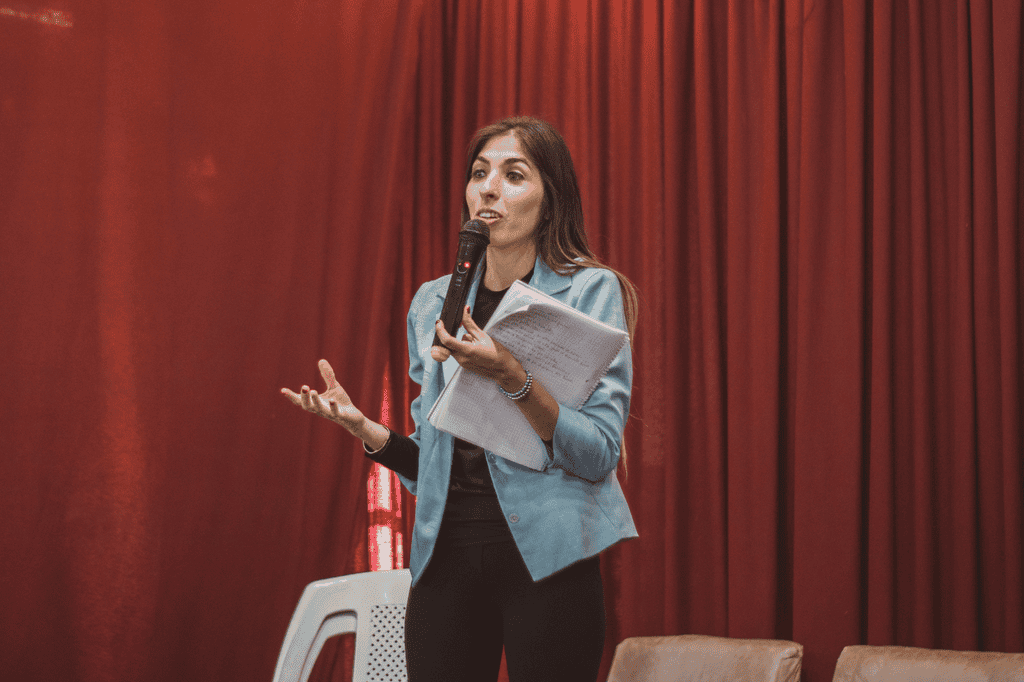
Preparation shapes outcomes more than many buyers expect. A clear brief improves relevance, and relevance improves the chance that the message will land with an international or local audience. This does not make planning more complicated. It simply gives the speaker enough truth about the room to make the session matter.
Define the Event Outcome Before Discussing the Topic
I would begin with four questions: who is the audience, what is the central challenge, what should they leave thinking, and what format are you running? Those questions help you decide whether you need a keynote speaker Singapore leaders can listen to in one sitting, or something else such as training. Not every business issue needs the same intervention.
Discuss Audience Context and Practical Expectations
Share the context that will shape how the message is heard. Seniority, change fatigue, recent pressure, hierarchy and the wider programme all matter in Singapore Asia environments. A 20-minute conference address and a 75-minute leadership forum do different jobs. The more precise you are, the more likely the experience will feel built for the room rather than imported into it.
Agree on a Useful Follow-Up
Decide what people should leave understanding or ready to try. Then decide who will reinforce it. I prefer modest follow-up because modest is easier to practise: one question for managers, one behaviour to notice, one conversation after the event.
Conclusion
A successful keynote should leave people with more than a memorable moment. It should give them a fresh perspective on leadership, a useful question to ask and a practical action they can take back to work. For organisations in Singapore the real value lies in how those ideas translate into everyday decisions, conversations and team behaviours.
I believe meaningful change begins with small, deliberate steps. When people know what to do differently and leaders reinforce those actions after the event, a keynote can become the starting point for lasting progress. If you are planning a corporate event and looking for a speaker who connects leadership ideas with practical workplace action, explore my speaking programmes at KennethKwan.com.
Frequently Asked Questions About Professional Keynote Speakers
What should I look for in a professional keynote speaker in Singapore?
I would look for relevant expertise, verified credentials and evidence that the person has spoken to audiences like yours. I would also listen for whether the message fits your event purpose rather than sounding generally inspiring. A short pre-event conversation usually tells me far more than a polished profile.
What is the difference between a motivational speaker and a corporate keynote speaker?
The categories can overlap, but the intent is often different. A motivational speaker may focus more on energy and personal encouragement, while a corporate keynote speaker is usually expected to connect that energy to workplace realities, leadership decisions and communication under pressure. The right choice depends on what your audience needs in that moment.
Will a keynote actually change anything after the event?
It can, but I would be careful with the claim. A keynote can create a perspective shift, give people a useful question and encourage one small action straight away. Lasting change still depends on reinforcement, manager follow-through and whether leaders keep the conversation alive after I leave the room.
Read more: Choosing a Keynote Speaker in Asia When Your Audience Comes From Many Cultures