September 8, 2026
How to Stay Future Ready When Change Is Constant
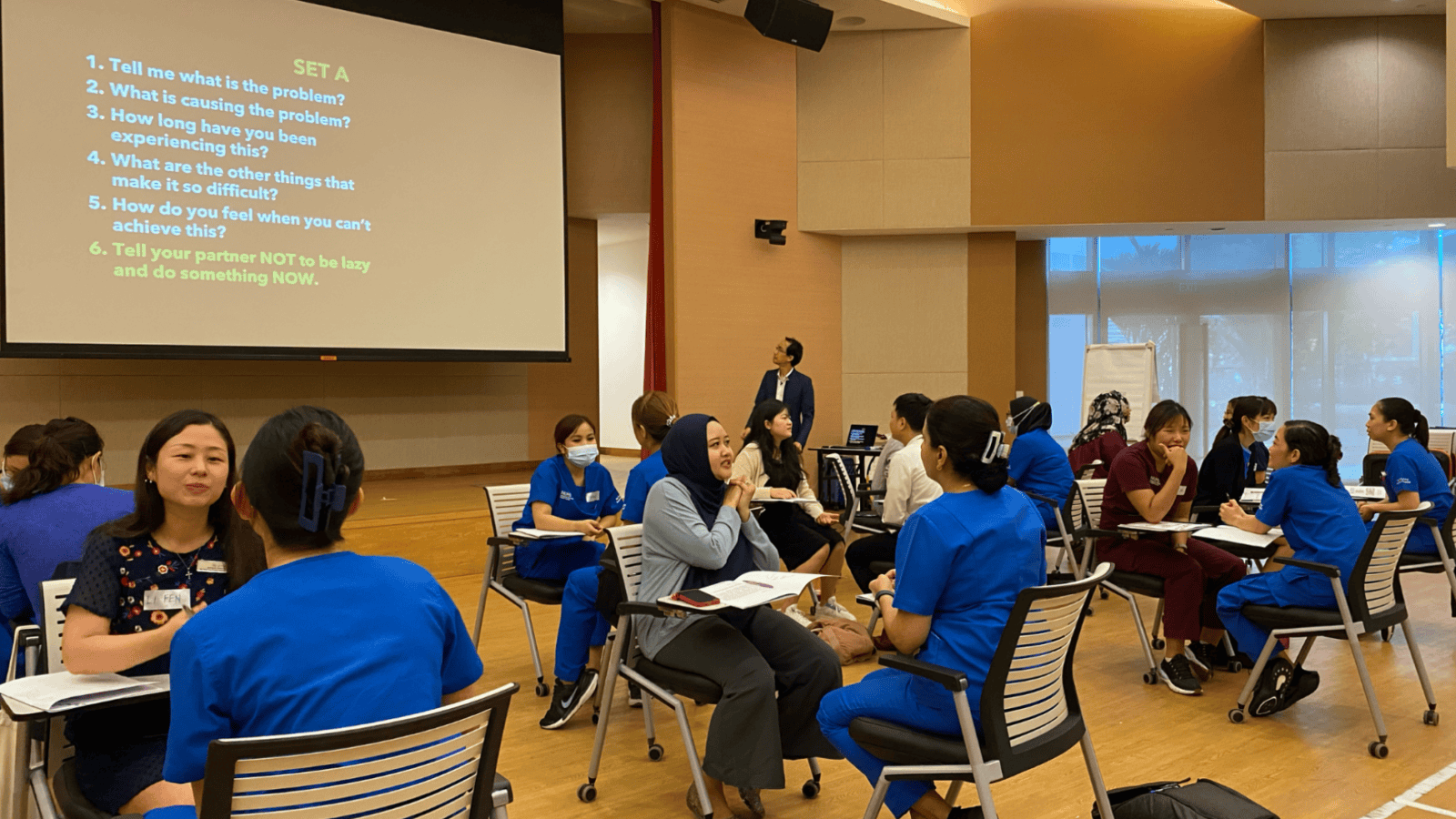
Change has become one of the few constants in the world of work. Technology is reshaping jobs, expectations are evolving, and ways of working that once felt familiar can quickly become outdated. Yet, being future-ready is not about predicting every disruption or chasing every new trend. It is about developing the ability to adapt, make better decisions, and continue creating value when circumstances change.
In this article, I’ll explore what it really means to be future-ready, why adaptability has become a critical leadership capability, and how leaders can build the mindset, behaviours, and habits that help their teams respond effectively to constant change. Because the real question is not “What will the future look like?” but “Are we building the people and capabilities we need to navigate whatever comes next?”
Key Takeaways:
- Future readiness is a behavioural capability, not just a list of future-ready skills.
- The goal is not perfect prediction but stronger response capacity for work.
- One visible action and one better question can improve decision making quickly.
- Teams move faster when leaders reinforce what is already working.
- A keynote can ignite insight, but leadership behaviour determines whether it lasts.
What Being Future Ready Really Means When Change Keeps Moving

Most leaders already know the future will keep moving. The harder challenge is recognising that future ready language often stays at the level of strategy, planning, or skill lists and never reaches daily work. That is where future readiness breaks down.
Stop Treating Future Readiness as a List of Skills
AI literacy, critical thinking and adaptability matter. So do problem solving, continuous learning and the human judgement that digital technology still cannot replace. But a skill on a slide does not automatically become behaviour under pressure. According to the World Economic Forum’s research on future-ready skills (2025), employers expect 39% of workers’ core skills to shift by 2030. I read that as a demand for more than knowledge. I read it as a demand for response capability.
Build the Ability to Respond Instead of Predicting What Comes Next
I have met many experienced leaders who still treat future ready work as a forecasting exercise: if I can see the next disruption early enough, I will be safe. In my experience, that mindset creates a fragile workplace culture. The future rarely arrives in neat form. What helps is a leader future mindset that can learn fast, think clearly, align action, and adapt when the script changes.
Use Small Actions to Turn Adaptability Into Behaviour
In one Singapore leadership forum, a manager told me his team kept saying they needed to be more agile, yet every meeting ended in the same problem talk. I asked the room to stop searching for a grand action plan and choose one practical step for the next seven days: end each meeting with one testable next action, one owner, and one decision. The shift was immediate. Anxiety gave way to movement. That is why I say a future ready skill only matters when people can see it, practise it, and repeat it at work.
How Leaders Can Stay Future Ready Without Chasing Every New Trend
Being future-ready doesn’t mean knowing every new technology or following every emerging trend. It means knowing what matters, what doesn’t, and where leaders should focus their attention.The goal is not to keep up with everything. It is to build the ability to adapt when what matters changes.
Ask Better Questions When the Situation Changes
I sometimes hear a leader ask, “Why are people resisting?” That question can produce analysis, but it can also trap a team in explanation. A better question is, “Where are people already adapting well?” or “What is one thing helping right now?” In my experience, better thinking often begins with a better question. It gives people a more strategic place to look.
Create One Learning Habit That Survives the Next Change
I do not see learning as a badge. I see it as a habit. A simple review rhythm helps: what shifted, what worked, what failed, and what should I test next? That keeps future ready behaviour tied to real work rather than abstract education. For broader context on building a future-ready workforce, SkillsFuture Singapore is useful, especially in an evolve landscape shaped by digital tools, talent shifts and workforce demand.
What Does It Take to Make Future-Ready Change Last
A useful idea is not the same as long term behaviour. If a future ready message is going to last, it has to survive the week after the keynote and the pressure that returns after the event.
Reinforce One or Two Behaviours Instead of Launching Ten
I often see leaders overload people with too many expectations at once: more innovation, better communication, faster decisions, stronger ownership. All sensible. Too much. I would rather build one visible behaviour, because that gives people something they can actually practise and helps culture change feel fit for real life.
Measure Follow-Through Instead of Motivation Alone
Energy in the room matters, but it is not proof. I pay attention to whether meetings become clearer, whether decision making improves, and whether fewer issues rise because people know the next step. Those signs tell me more about future readiness than post-event enthusiasm.
Know What Training Can and Cannot Change
A keynote can help people walk away with sharper language, stronger focus and a more useful mindset. It can help a school leader, business leader, or public service leader see the future differently. It cannot compensate for habits that reward the opposite behaviour. The OECD’s workforce adaptability outlook (2025) points in the same direction: adaptability depends on continued learning, not one-off exposure.
How to Start Becoming More Future Ready This Week

Pick one current challenge. Not every priority in the strategy deck. One. Then decide what behaviour would make the next week easier. Make it visible enough that people can tell whether it happened.
Choose One Change You Can Act On Now
If the issue is slow follow-through, ask for clearer ownership. If the issue is hesitation around technology, ask for one small test. If the issue is low confidence, ask what is already working. I have found that action creates momentum faster than more discussion.
Ask One Better Question in Your Next Meeting
Replace “Why are we struggling with this?” with “Where are we handling this better than expected?” That one move can help people embrace a more useful perspective and give a team a better solution path.
Review What Worked and Scale the Useful Part
That is the practical heart of Small Steps To Big Changes®. Review what worked, keep the part that created movement, and scale it in small steps. If you want that kind of perspective shift in your next event, you can explore my speaking work at Kennethkwan.com.
Frequently Asked Questions
Is future ready just another way of saying reskilling?
No. Reskilling matters, but I use future ready to describe how people respond when conditions move faster than the old answer. Skills matter. Behaviour under pressure matters just as much.
Will a keynote on future readiness actually change anything after the event?
It can change what people notice, the questions they ask, and the action they take next. That is often more valuable than a room full of agreement. I would still be honest about scope: a keynote can ignite, but leaders have to reinforce what they want repeated.
How do I know which behaviour to start with?
I would start with the behaviour that makes the next week easier, not the most impressive ambition in the strategy. It might be clearer ownership, better follow-through, or one better question in a tense meeting. If it is visible, repeatable and practical, it is usually the right place to begin.
Read more: Change Readiness Isn’t About Planning It’s About Habits