August 27, 2026
Future of Work Keynote Speaker: Helping Leaders Navigate Rapid Workforce Change
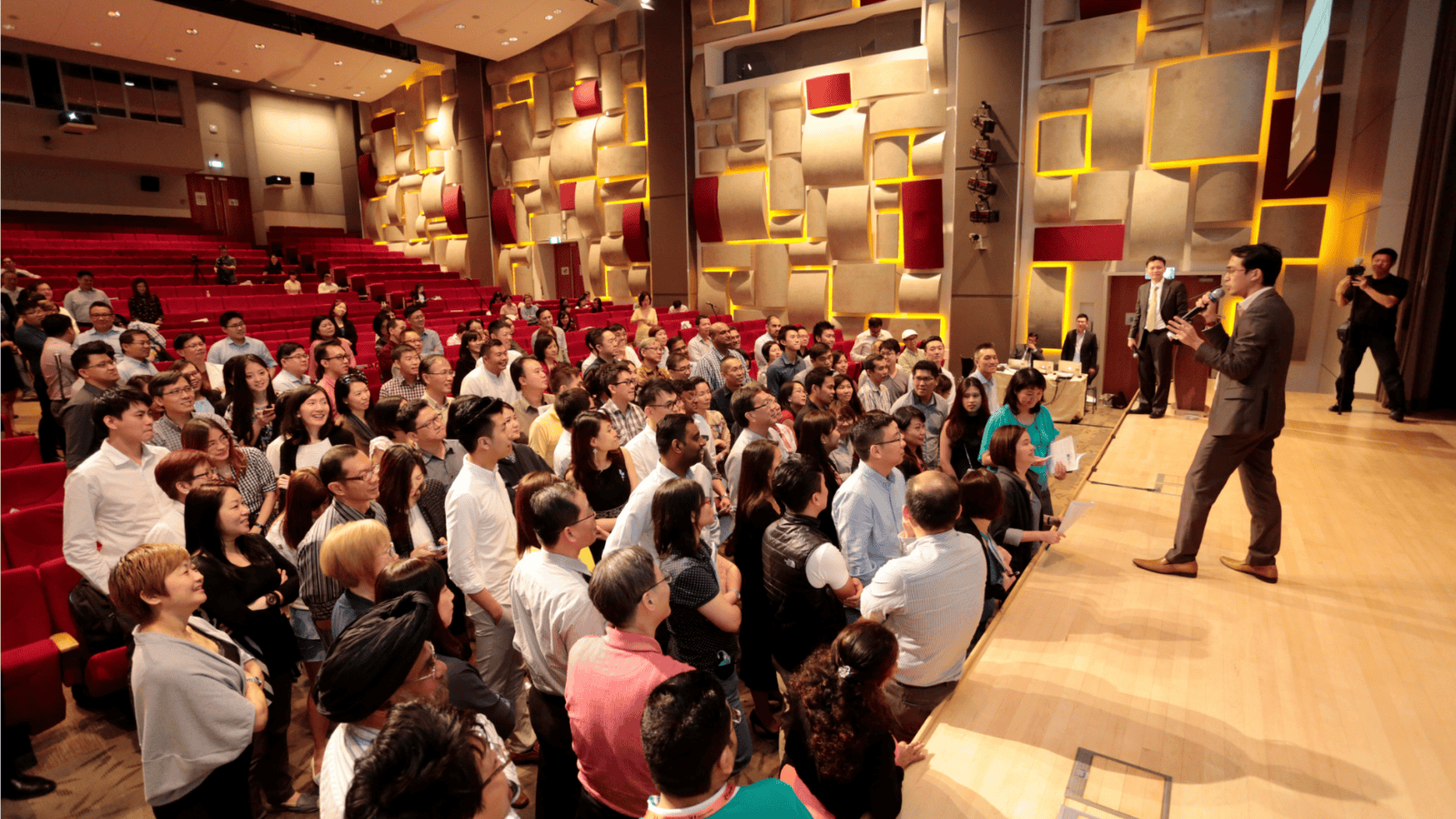
Most organisations I work with are not short of information about the future of work. What they lack is a way to translate that information into confidence, alignment and practical next steps for their people. That gap is the reason companies bring me in as a keynote speaker: not to repeat headlines about artificial intelligence and automation, but to help leaders and their teams understand what rapid workforce change actually means for the way they lead, hire, organise and grow.
Why Leaders Are Booking a Future of Work Keynote Speaker
Every leadership team I meet is wrestling with some version of the same problem. New technology is reshaping roles faster than policies can keep up. Hybrid working has changed what employee experience means. Skills that were core to a business model five years ago are becoming optional, while entirely new capabilities are becoming essential. Fear of falling behind competitors, fear of losing good people, and fear of getting the AI transition wrong are all sitting quietly in the room whenever a leadership team discusses workforce strategy.
A good keynote does not solve every one of those problems in an hour. What it can do is give an audience a clear, research-backed lens through which to view the shift, along with practical tools they can use immediately. That is the promise I try to deliver in every session, whether I am speaking to a CHRO’s leadership offsite, a global conference, or an industry event built around innovation and transformation.
What a Future Work Keynote Actually Covers
I design each keynote around the specific challenge an organisation is facing, but three themes come up in almost every engagement.
The first is purpose. Employees want to understand not just what is changing, but why it matters and what it means for them personally. Leaders who can articulate purpose clearly build far more trust than those who simply announce a new tool or a new process.
The second is workplace culture. Rapid change tests culture more than any strategy document does. Teams that already trust their leaders adapt faster and with less resistance; teams that do not, tend to stall no matter how good the technology is.
Research from PwC’s 2025 Global Workforce Hopes and Fears survey, drawn from nearly fifty thousand employees across forty eight countries, found that workers who feel most aligned with leadership goals are 78% more motivated than those who report the least alignment. That single statistic captures why I spend so much of every keynote on leadership communication rather than on technology alone.
The third theme is capability. Leaders do not need to become AI experts, but they do need enough understanding to ask the right questions, design sensible pilots, and support their teams through the learning curve.
KPMG’s 2025 Global CEO Outlook, based on interviews with over thirteen hundred CEOs, found that seventy seven percent agree that workforce AI readiness and upskilling will impact their organisation’s prosperity over the next three years.
That is not a distant trend; it is a near-term leadership priority, and it is exactly the kind of insight I unpack in a session so that an audience leaves with a plan rather than just an impression.
Keynote Topics and Session Formats
Clients often ask what keynote topics I cover, and my honest answer is that the strongest sessions are never generic. A standard menu of keynote topics is a useful starting point for a conversation, but the version I deliver on the day is shaped around the organisation in the room.
That said, a handful of themes recur often enough to be worth naming: leading a multigenerational workforce where four or five generations are working side by side with very different expectations of purpose, flexibility and progression; building a work culture that survives a merger, a restructuring or a rapid technology rollout; and helping managers stay ahead of a talent game that keeps changing its rules as new skills, new tools and new competitors enter the picture.
I find this combination, a keynote followed by a smaller session with the senior team, tends to produce the most durable change, because people leave with a plan they built themselves rather than one they simply listened to.
Who Books This Kind of Session
A future of work keynote is particularly relevant for organisations navigating significant changes in how people work, lead and collaborate.
The session can be shaped for senior leadership teams, HR and people leaders, managers, or larger audiences at conferences and corporate events. Some organisations bring in a speaker to help their people understand the impact of AI and emerging technologies. Others are looking at changing workforce expectations, hybrid leadership, skills gaps, culture or the changing role of managers.
The underlying questions are often practical:
- How will AI change the way our people work?
- What skills will our teams need next?
- How should leaders adapt to changing employee expectations?
- How do we maintain culture and connection through change?
- What should we start doing differently now?
The keynote brings these questions into one conversation, helping leaders move beyond simply discussing the future to thinking more clearly about what it means for their people, leadership and organisation.
A Forward-Thinking Approach, Not a Generic Talk
I do not believe in a one-size-fits-all keynote. Before any engagement, I speak with the organising team to understand the specific challenges their leaders and employees are facing, whether that is a merger, a restructuring, an AI rollout, or simply a workforce that feels stretched thin by constant change. That preparation means the session speaks directly to the room, using language and examples the audience already recognises from their own business.
This matters because the future of the organisation rarely depends on a single dramatic decision. It depends on hundreds of smaller ones made by managers and team leads every week: how they communicate a change, how they support someone learning a new tool, how they make space for a good idea from someone junior.
A keynote that only speaks to the executives in the front row misses the audience that will actually make the future workforce work. I try to write and deliver every talk so that it lands equally well with a CEO and with a first-time people manager, because both of them are shaping what comes next.
Engaging Every Generation in the Room

One of the hardest parts of speaking about the future of work is that the audience is rarely uniform. In a single room, I might have someone who started their career before email existed sitting next to someone who has never worked a day without an AI assistant.
Each generation brings a different relationship with technology, a different definition of good work, and a different set of worries about what comes next. A talk that only speaks to one of those groups will engage half the room and lose the rest.
So I build sessions to include everyone, using stories and data that resonate across a wide range of experience rather than leaning on references that only land with one generation.
I also try to make the room active rather than passive: short discussion prompts, a live poll, or a moment where people turn to a colleague and test an idea against their own team’s reality.
Audiences remember what they engage with, not what they simply hear, and that principle shapes how I structure every keynote and workshop I deliver, wherever in the world the event happens to be.
If You Are Planning an Event
If you are looking for a future of work keynote speaker who can help your leaders navigate rapid workforce change with clarity and confidence, I would be glad to talk through what your team needs and how a session or keynote event could be shaped around it.
Feel free to get in touch to discuss dates, topics and how we can build a session that gives your people something practical to take away, not just something interesting to listen to. Whether your leaders need to feel ready for the next twelve months or you are building a longer-term strategy around your future workforce, I would like nothing more than to help you get there.
FREQUENTLY ASKED QUESTIONS
How much does a future of work keynote speaker cost?
Fees vary depending on the format, the length of the engagement and where the event is being held, so I would rather talk it through directly than quote a number that does not reflect your situation. A single keynote, a keynote paired with a smaller session for the leadership team, and a multi-day engagement all carry different fees, and travel is factored in separately. Once I understand your event and your audience, I can put together a proposal that is easy to compare against your budget.
Will the keynote be customised for our organisation, or is it a standard talk?
Every session is shaped around the organisation booking it. Before I write a word of the talk, I speak with the organising team about the specific change your leaders and employees are navigating, whether that is an AI rollout, a restructuring or a broader shift in workplace culture. The frameworks I use stay consistent, but the examples, data and language are tailored so the session speaks directly to your business rather than sounding like it could have been delivered anywhere.
What industries and audience sizes do you typically speak to?
I have worked with technology companies, financial services firms, professional services organisations and industry associations, speaking to audiences ranging from a leadership team of a dozen people to a conference of several thousand. The themes of purpose, workplace culture and workforce capability apply across almost every industry, and I adjust the examples and depth of the session to match the room, whether that is a boutique leadership retreat or a large-scale corporate event.
Read more: Workplace Culture Keynote Speaker Helping Teams Build Trust, Ownership, and Performance