September 21, 2026
Best Keynote Speakers to Hire in 2026
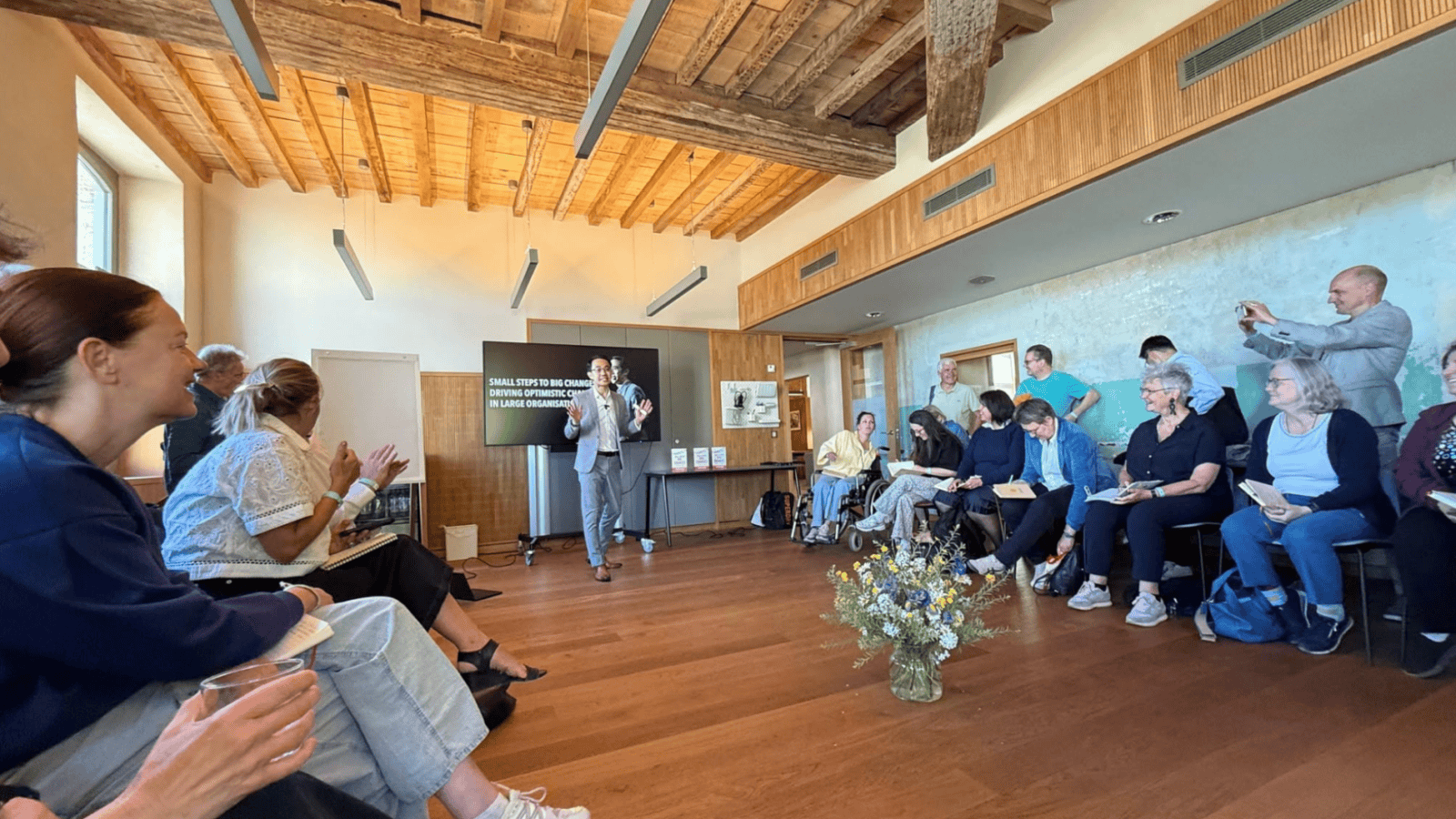
The search for the best keynote speakers often starts in the wrong place. Many organisers begin with a famous name, a glossy speaker profile or a hall of fame label, then work backwards to justify the choice. I think that is an expensive way to buy a keynote in 2026, because the real question is much simpler: who can speak to this audience, for this event, in a way people will still remember on Monday?
A celebrity can fill seats at a conference. A good speaker can hold attention. The right keynote speaker for a corporate event has to do something harder: connect the theme, the pressure in the business and one practical shift people can carry back into work without sounding like a training manual. And, ideally, without leaving half the room quietly checking their phones by the 15-minute mark.
I’ve seen how much difference the right speaker can make. The strongest keynotes are not necessarily the ones with the biggest names attached to them. They are the ones that understand the room, tell a story people recognise and leave the audience thinking, “Actually, I could do something differently tomorrow.”
Key Takeaways:
- The best fit is rarely the biggest name; it is the speaker who matches the objective, theme and audience.
- A strong keynote creates a real perspective shift, not just a pleasant hour in the agenda.
- Corporate track record, relevant research and clear evidence reduce hiring risk.
- Budget matters, but a lower speaker fee is not better value if the message misses the room.
- A keynote can ignite action, but leaders still need to reinforce what follows.
What Makes the Best Keynote Speakers Worth Hiring in 2026?
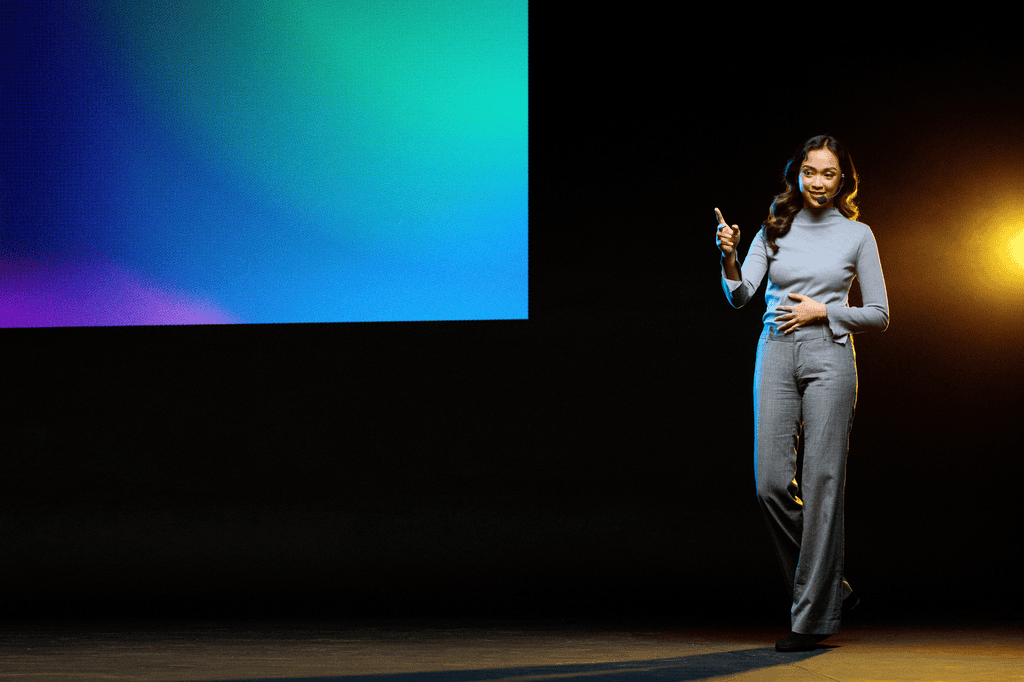
In 2026, organisers are not simply filling agenda space. They are trying to create relevance for a workforce dealing with change, uncertainty, talent pressure and constant noise. The best keynote speakers earn their place because they help people make sense of that reality quickly and clearly, whether the event is local, regional or global.
Relevant Expertise Should Match the Event Objective
A speaker can be talented and still be wrong for your event. If the brief is leadership under pressure, a broad celebrity story may entertain without giving a leader anything useful to apply on Tuesday. I always start with the objective. Is this about culture, innovation, peak performance, change, or sharper decision-making? According to the World Economic Forum (2025), employers still expect substantial skills disruption through 2030. In that climate, relevance beats fame.
Strong Keynote Speakers Connect With the Audience
Delivery matters, but polish is not the same as connection. Corporate audiences can tell quickly when a speaker is performing rather than reading the room. I look for clear language, lived stories, practical content and one idea that is easy to remember. Senior people do not need more noise. They need a message that helps them think more clearly and feel the issue is discussable, not theatrical.
Professional Experience Provides Context
Experience gives a speaker judgement. I’ve learned that a keynote rarely goes exactly as planned, and that is often where experience matters most. You need to read the room, recognise what the audience actually needs and adjust without losing the message. That might mean changing the pace, using a different story or asking a better question. The best speakers bring not just stage confidence, but the judgement to make a keynote feel relevant in the moment.
How to Identify Good Keynote Speakers Before You Book Them
Once I am clear on the objective, the next job is reducing risk. Most poor choices happen because organisers rely on reputation, a polished brochure or one enthusiastic testimonial instead of doing enough research.
Review the Speaker’s Corporate Track Record
I would start with comparable settings. Has the speaker worked with senior executives, mixed-level managers, or a leadership team under real operational pressure? Have they handled a company conference, a national conference, a strategy off-site or a corporate event of similar scale? Industry range matters too. A speaker does not need to come from your sector, but they should understand how corporate life feels inside public service, healthcare, logistics, finance or multinational environments.
Look for Evidence Beyond Testimonials
A testimonial saying “great energy” is pleasant but incomplete. Better signals include repeat invitations, professional credentials, thoughtful interviews, and signs the speaker can build trust with serious audiences. If I see that a speaker has worked across a global roster of clients, or that a speaker bureau, event agency or internal talent team keeps bringing that person back, I pay attention. According to the GOV.UK leadership development impact rapid evidence assessment (2021), context, transfer and reinforcement matter as much as the event itself.
Assess Content Quality Before the Event
Before you book, watch a video, read an article, or listen to an interview. I would be cautious of a speaker who sounds inspiring but vague. Good keynote content has a centre. You should be able to say, in one sentence, what the audience will think differently about after the talk. If the idea depends on a sales deck to make sense, the content is probably too thin to anchor the agenda.
Which Types of Top Keynote Speakers Fit Different Corporate Events?
Not every event needs the same voice. One of the biggest mistakes I see is assuming “top” means the same thing in every format. It does not.
Top Leadership Speakers for Leadership and Management Events
For leadership events, the strongest speakers connect strategy to behaviour. They can speak about communication, accountability, culture and judgement without drifting into abstraction. This is where many buyers search for top leadership speakers or the best leadership speakers, but I think the real test is whether the message respects the pressure leaders carry and gives them something practical to take back to the team.
Business and Performance Speakers for Organisational Goals
Some events are less about inspiration and more about performance. Here, the speaker should understand productivity, collaboration, customer experience and business results. A strong keynote speaker helps people see where behaviour meets outcomes. If the message stays at slogan level, it will not travel back into meetings, execution or the wider workforce.
Change and Transformation Speakers for Organisations in Transition
Change-focused events need a different strength. The speaker has to understand resistance, uncertainty and the gap between agreement in principle and action in practice. That matters for a regional launch, a culture reset, or a global transformation theme. The right speaker does not describe change as if awareness alone is enough. The speaker helps people see their role in it.
How Can Great Keynote Speakers Turn Inspiration Into Action?
A keynote should leave people with more than a few good quotes and a photo of the speaker on stage. I believe the real value comes when inspiration leads to action. A strong speaker connects the message to challenges people are already facing and gives them something practical to consider, discuss or apply when they return to work. The best keynotes leave people with a clearer perspective and a practical idea they can put into practice.
What Should You Ask Before Hiring a Professional Keynote Speaker?
Hiring well depends on asking better questions early. A polished proposal can hide a weak fit. A direct conversation usually tells me far more.
What Is the Speaker’s Relevant Experience?
Ask about comparable audiences, business context and scale. Has the speaker worked with executives, mixed employee groups, or leaders carrying a heavy agenda? Scale and audience size both matter. A person who is effective in a boardroom may not hold a large conference hall, and the reverse can also be true.
Can the Speaker Support the Event’s Actual Objective?
Be specific. Do you need inspiration, a sharper leadership message, support for an innovation theme, or clearer ownership across the organisation? According to McKinsey, successful transformations depend in part on a clear change story that people can connect to daily work. A keynote can support that story. It cannot carry the whole strategy on its own.
What Evidence Supports the Speaker’s Approach?
I would ask about evidence, budget and fit together. A lower speaker fee, lower speaker cost or lower keynote speaker cost may suit the budget, but value depends on whether the message lands. Ask what success looks like, what research informs the talk, and whether the speaker has enough range to engage your people. If you book through a bureau, ask the same questions. If success is defined only as applause, keep looking.
How Do You Choose the Right Keynote Speaker for Your Audience?
At this stage, the shortlist should be smaller. The question is no longer who is impressive in general, but who is the right speaker for this audience, this moment and this theme.
Match the Message to Audience Needs
Senior executives usually need strategic perspective and challenge. Managers often need language they can use with their teams. Larger employee audiences need accessibility without oversimplifying the issue. A good keynote speaker does not deliver one standard talk to every room. The core idea may stay the same, but the emphasis should change with the audience.
Consider Cultural and Regional Relevance
A keynote can be well delivered and still miss the mark if it feels disconnected from the audience. I always think about whether the speaker understands the cultural context, business environment and expectations of the people in the room. A story that works in one market may not have the same meaning somewhere else. Regional relevance helps the message feel familiar, respectful and easier for the audience to relate to.
Accept That No Speaker Fits Every Event
This is the part buyers sometimes resist, especially when a famous name looks safe on paper. A speaker may be excellent and still not be right for your event. That is not a failure in the buying process. It is good judgement. I would always prioritise objective, evidence, content quality and audience fit over reputation alone.
What Can Organisations Expect From a Professional Keynote Speaker?

A professional keynote should leave more than a pleasant impression. I think it should create clarity, give people language for what they are facing, and make action feel more possible.
A Clear Message People Can Remember
The best keynote speakers usually land one strong idea rather than ten half-developed ones. If the message connects to the event theme, leaders have something concrete to refer back to after the day ends.
Practical Ideas People Can Apply After the Event
A corporate audience should leave with at least one action, question or behaviour they can test quickly. That is why Small Steps To Big Changes® continues to matter to me. Large change often begins with one small decision that feels realistic enough to try tomorrow.
A Meaningful Audience Experience
A meaningful keynote does not require constant laughter or theatre. It means people feel understood, challenged and clearer about what comes next. That is the standard I would use when judging any speaker, whatever the keynote speaker fee or the name on the shortlist.
Hire a Keynote Speaker Based on Fit, Not Fame
There is no universal list of the best keynote speakers, because the right choice depends on the audience, the event objective and the message people need to take away. That is how I approach every keynote I deliver. After years of speaking to professionals across different industries and countries, I have learned that the most meaningful keynotes are built around the people in the room, not the speaker on the stage.
My work through Small Steps To Big Changes® reflects that approach. Whether I am speaking about leadership, teamwork, communication or change, I want people to leave with a different perspective and something practical they can use. For me, a keynote is not about being the most impressive person in the room. It is about making the room think differently.
If you are planning a corporate event and looking for a keynote that connects with your audience and your organisation’s goals, I’d be happy to explore what your event needs and how I can contribute. Schedule a consultation to discuss your event, audience and objectives.
Frequently Asked Questions
What information should I include in a keynote speaker brief?
Include the event purpose, audience profile, number of attendees, event format, keynote duration and the key message you want people to take away. It is also useful to share the wider agenda and any organisational priorities the speaker should understand.
Should the keynote speaker speak to our industry specifically?
Not necessarily. Industry experience can be useful, but a speaker who understands leadership, people and organisational challenges can often bring a valuable outside perspective. What matters is whether they can understand your context and make the subject relevant to your audience.
How long should a corporate keynote be?
The ideal length depends on the event format and audience, but a keynote does not need to fill an hour simply because the agenda allows it. A focused presentation with a clear message can often have more value than a longer talk that tries to cover too much.
What should organisers discuss with a keynote speaker before confirming the booking?
Discuss the event objective, audience, topic, format, timing, expectations, level of customisation and what you want participants to take away. It is also worth clarifying technical requirements and how the keynote will fit with the rest of the event programme.
Read more: Choosing the Right Keynote Speaker Without Blowing Your Event Budget