September 8, 2026
Growth Mindset Isn’t About Positivity. It’s About Learning Through Failure

What happens when things don’t go according to plan?
Do you blame the situation, look for someone else to blame, or quietly decide that you are simply not good at it?
That moment says more about your mindset than any motivational quote ever could.
Most people talk about a growth mindset as if it were a motivational slogan. Stay positive. Keep believing. Try harder. In real work, the test comes later, after the failed pitch, the difficult feedback, the presentation that did not land, or the project that went off course.
A growth mindset matters because it shapes what you do next.
Key Takeaways:
- A growth mindset is less about optimism and more about behaviour after results fall short.
- Failure becomes useful only when it leads to reflection, strategy changes, and action.
- Feedback is one of the clearest places where mindset shows up at work.
- Leaders build this mindset through the questions, reviews, and habits they normalise.
- Mindset can help people improve, but it cannot replace skill, support, or sound strategy.
What Does a Growth Mindset Actually Mean for Learning and Improvement?

Understand Growth Mindset Beyond Positive Thinking
A growth mindset means you believe ability can develop through learning, practice, feedback, hard work, and adjustment. That sounds simple, but the idea is often flattened into “just keep trying”. Carol Dweck’s work was never about praising effort in isolation. As Harvard Business Review noted, the point is effort tied to strategy, progress, and learning.
See the Difference Between Growth and Fixed Mindsets
A fixed mindset treats difficulty as a verdict: the meeting went badly, so perhaps I am not good enough. A growth mindset reads the same moment differently: what did I miss, and what can I learn? Dweck’s research at Stanford Graduate School of Education explores the beliefs people use to guide motivation and behaviour. That mindset belief matters because it decides whether learning stops or continues.
Recognise Why Beliefs Influence What People Do Next
Belief shapes action. If you believe intelligence and talent are fixed, mistakes feel exposing. If you believe ability can develop, a setback still stings, but it does not have to define the person. In leadership, that difference shows up quickly. Two leaders can receive the same weak feedback and choose entirely different futures.
Why Does Failure Test a Growth Mindset More Than Success Does?
Treat Failure as Information Instead of an Identity
This is the distinction I return to most often. “I failed, so I am not capable” closes down growth. “This approach failed, so I need to understand it” leaves room to improve. A growth mindset does not deny failure. It separates the result from the self long enough to analyse it properly.
Ask What the Setback Can Teach You
When something goes wrong, I find the most useful questions are usually plain ones: what happened, what was in my control, what assumption was wrong, and what should I try next time? In one leadership session after a difficult quarter, a room kept circling blame. The shift came when one manager admitted he had assumed people understood expectations he had never checked. In that moment, the conversation moved from defence to learning.
Change the Strategy, Not Just the Amount of Effort
Trying harder is not always the answer. Sometimes the problem is not effort but method. If a leader keeps giving more detail and still gets low ownership, more of the same will not fix it. Growth means being willing to change the strategy, not merely increase the pressure.
How Does Feedback Turn a Growth Mindset Into Better Performance?
Separate Feedback From Personal Judgement
Feedback helps only when you stop hearing it as a judgement on your value. A defensive response sounds like self-protection. A learning response sounds different: what exactly was unclear, and what would better look like? One protects the ego. The other helps performance improve.
Turn Feedback Into a Small Next Action
This is where many people stall. They receive feedback, then create a vague goal that nobody can practise. “Be better” is not action. “Pause after the first point and ask one checking question in the next meeting” is action. Small, visible steps help people learn faster because the next move is clear.
How Can Leaders Build a Growth Mindset Into Everyday Work?
Reward Learning as Well as Results
If leaders say “take risks” but recognise only perfect outcomes, people learn the real rule quickly. Then experimentation disappears. I am not suggesting that standards should drop. I am saying that thoughtful effort, visible learning, and honest review should matter alongside results if you want to foster growth mindset at work.
Make Reflection Part of the Work Process
Reflection works best when it is ordinary. After a presentation, project, or difficult conversation, I prefer four simple questions: what worked, what did not, what should I repeat, and what should I change? Teams that improve well are rarely the loudest. The ones that notice patterns early.
Model Learning as a Leader
People watch leaders closely, especially after pressure or criticism. If I cannot admit what I missed, I cannot expect a team to do it either. In my experience, meetings become shorter and more useful when leaders model learning openly instead of protecting their image.
What Are the Limits of a Growth Mindset When Learning From Failure?
Understand That Mindset Alone Does Not Create Improvement
Believing you can improve is not the same as improving. Results still depend on practice, support, skill, process, and strategy. According to research published in Nature, growth mindset interventions had stronger impact where the wider environment supported the message. Mindset has more effect when the culture does not punish every imperfect attempt.
Know When Persistence Should Become Adaptation
Persistence is useful until it becomes stubborn repetition. If the method is wrong, more grit simply deepens the groove. A healthier standard is this: keep the goal, but change the way. That is not giving up. That is growth with judgement.
Focus on What Is Working Before Fixing Everything
I often ask leaders to notice exceptions before they rush to fix the entire problem. When did the discussion stay constructive? When did ownership improve, even briefly? That kind of reflection does not ignore failure. It helps people find evidence they can build on.
How Do You Know If You Are Actually Practising a Growth Mindset?
Notice How You Respond When You Are Wrong
When you are wrong, do you defend the decision immediately? Do you explain the context before you look for the lesson? Or do you pause long enough to ask what this moment is showing you? That pause often reveals whether the mindset is real or merely language.
Notice What You Do After Receiving Difficult Feedback
Feedback is a sharp test because it exposes instinct. If your first move is avoidance, dismissal, or counterattack, there is something useful to notice. If your first move is to identify one action to try, you are already beginning to develop growth mindset in practice.
Measure Progress by Learning and Better Actions
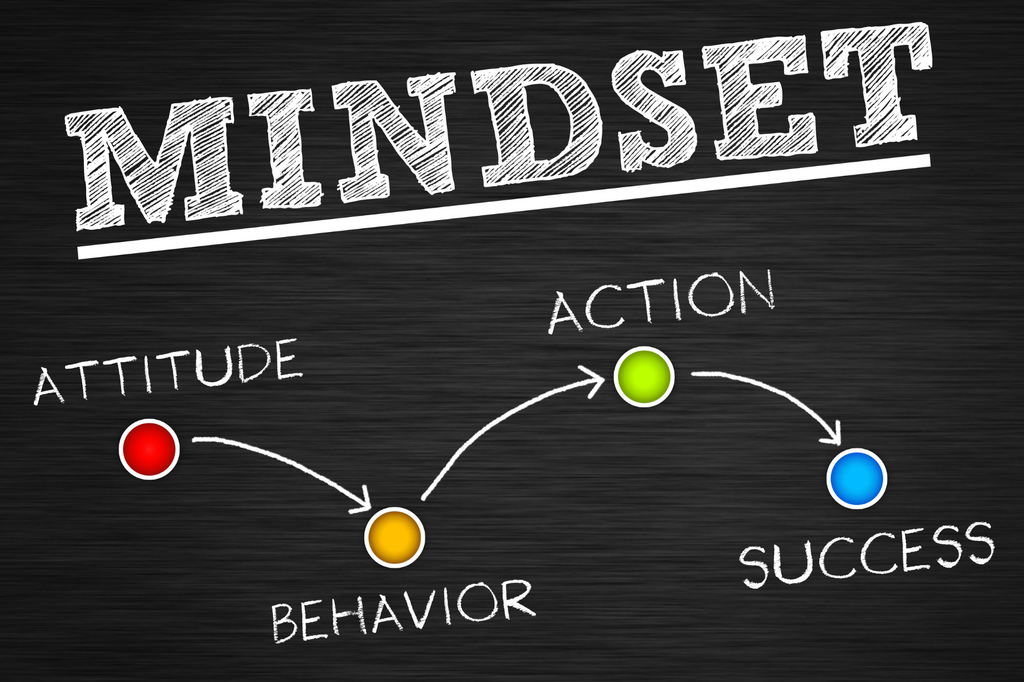
The clearest evidence is behavioural. Are your questions improving? Are your responses to failure becoming less defensive? Are you changing what you do, not just what you say? A growth mindset is proven in action, not in the words you use about growth.
Conclusion
Growth mindset is not forced positivity. It is the discipline of learning through failure, using feedback well, and changing strategy when the current approach is not working. That is why I keep returning to a principle from Small Steps To Big Changes®: motivation often follows action. You do not need complete confidence before the next step. You need one honest reflection, one better question, and one change you can actually practise. If that is the kind of perspective shift you want in your room, you can find more of my speaking and leadership insights at KennethKwan.com.
Frequently Asked Questions
Is growth mindset just another way of saying “be positive”?
No. Positivity may help your energy, but it does not automatically improve behaviour or decisions. When I talk about growth mindset, I mean what you learn, what you change, and what you practise after a setback. If nothing changes at work, the language is not doing much.
Can a keynote on growth mindset actually change anything at work?
Yes, with an honest limit. I can help leaders and teams see failure, feedback, and effort differently, and that shift can change the conversation in the room very quickly. What I cannot do in one keynote is replace follow-through, managerial consistency, or support from the wider culture.
What is the simplest way to start practising a growth mindset today?
Start with the last thing that did not go well and ask a better question. Not “why am I bad at this?” but “what was I assuming, and what should I try differently next time?” Keep the action small, observable, and repeatable. That is usually how real growth begins.
Read more: What a Growth Mindset Speaker Truly Changes