July 6, 2026
11 Ways to Build an Engaged Workforce That Stays and Performs
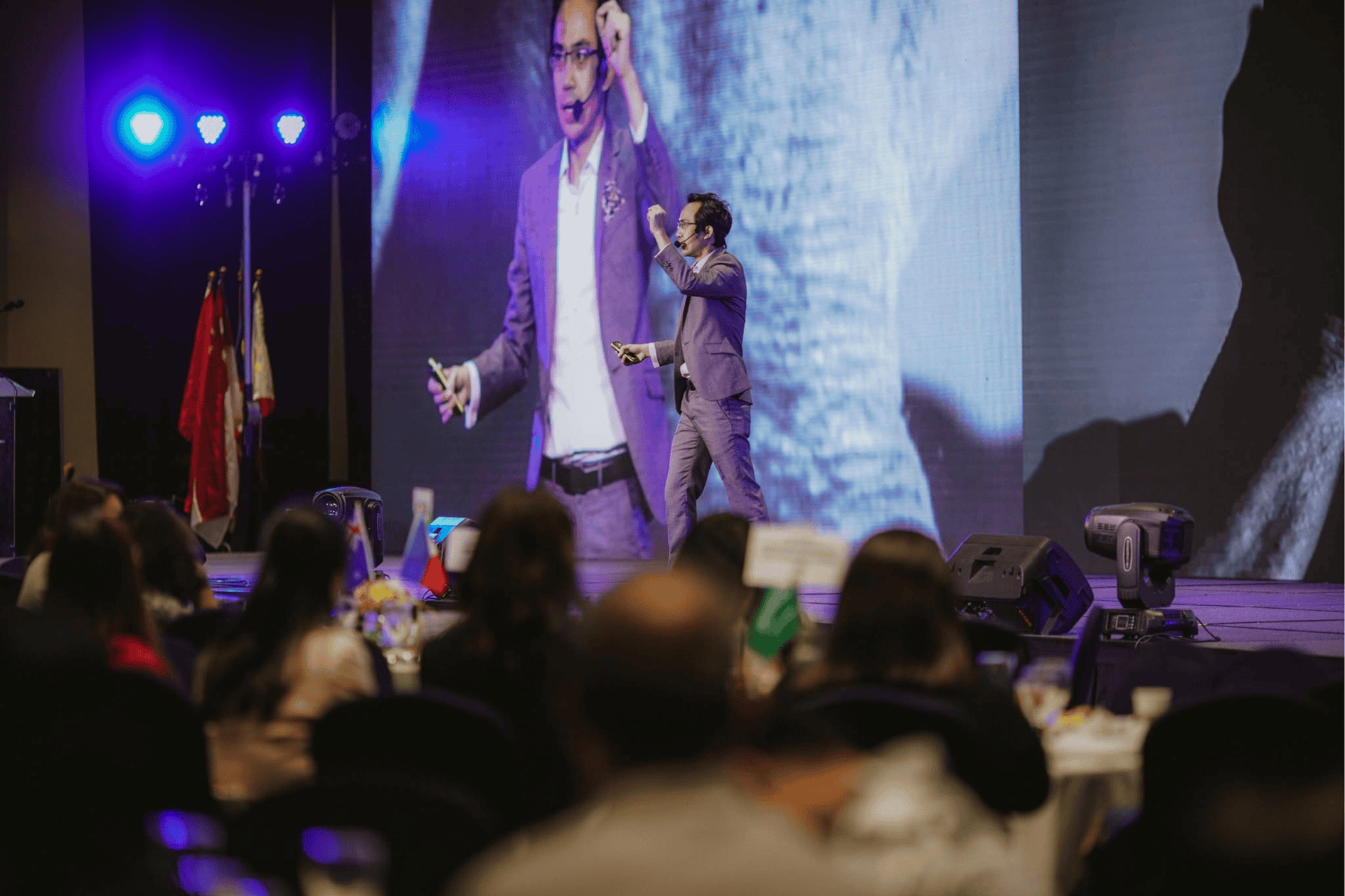
Employee engagement is often treated as something that’s difficult to define and even harder to improve. Organisations invest heavily in surveys, incentives, and workplace initiatives, yet many still struggle with disengaged employees, rising turnover, and declining productivity. The problem isn’t usually a lack of effort. It’s that many organisations focus on measuring engagement instead of creating the conditions that make it possible.
An engaged workforce doesn’t emerge by chance. It is built through everyday leadership behaviours that help employees feel connected to their work, trusted by their managers, recognised for their contributions, and confident that their efforts make a difference. When people understand their purpose, see opportunities for growth, and believe their voice matters, engagement becomes a natural outcome rather than a target to chase.
In this article, I’ll share 11 practical, research-backed ways leaders can build a more engaged workforce. These aren’t expensive programmes or quick fixes. They’re simple, sustainable leadership practices that strengthen trust, improve employee experience, and create a workplace where people choose to stay, contribute, and perform at their best.
Key Takeaways:
- Engagement is not a mood first; it is a visible pattern of employee behaviour.
- The fastest way to improve workforce engagement is often to study what already works.
- When leaders act after feedback, employee trust rises and people are more likely to stay involved.
- Recognition matters most when it is specific and linked to development.
- A keynote can shift perspective, but long term engagement still depends on daily leadership habits.
11 ways at a glance
- Define engagement through visible behaviour
- Connect work to purpose and progress
- Find where engagement is already working
- Repeat the habits behind those bright spots
- Communicate what matters and what comes next
- Close the feedback loop after employees speak up
- Train managers to ask better questions
- Turn one-to-one conversations into ownership moments
- Recognise specific contribution
- Link recognition to growth
- Remove process and meeting blockers that drain energy
Engaged workforce behaviour shows leaders who will stay and perform
If you define engagement too loosely, you cannot build it consistently. Strong leaders stop treating it as employee satisfaction alone and start naming the behaviour that shows whether people are committed, alert and willing to contribute. Gallup’s State of the Global Workplace 2026 makes the business case plain: engagement shapes retention, productivity and performance.
Way 1 for HR leaders: Define engagement through visible behaviour
An engaged team speaks up early, follows through, supports colleagues and takes ownership. If HR cannot describe that clearly, a company starts rewarding busyness instead of value. That confusion hurts culture and lowers the overall engagement level.
Way 2 for senior leaders: Connect work to purpose and progress
Employees stay engaged longer when they can answer two questions: why does this work matter, and how do I know we are moving? Purpose without progress feels rhetorical. Progress without purpose feels mechanical. Workforce engagement grows when both are visible.
Existing engagement bright spots reveal what leaders should repeat
Most employee engagement efforts begin by trying to fix what’s broken. I’ve found a faster and often more effective approach is to identify where engagement is already strong. Every organisation has teams, managers, or departments where people are more engaged than others. Instead of focusing only on what’s going wrong, ask what’s different in those high-performing areas and how those behaviours can be replicated across the organisation.
Way 3 for CHROs: Find where engagement is already working
If one team has better ownership, steadier retention or healthier meetings under the same pressure, study it. In a public sector forum, I once asked department heads to name one team that stayed constructive through a difficult period. The room changed quickly. They stopped circling the problem and started noticing small habits that strengthened culture: quicker follow-up, clearer handovers and shorter decision paths.
Way 4 for L&D leaders: Repeat the habits behind those bright spots
Once you spot a bright area, break down the repeatable behaviour behind it. Often it is simple: clearer check-ins, cleaner priorities, faster decisions and better employee recognition. That gives L&D and training teams something practical to reinforce, not another abstract message about workplace culture.
Clear communication keeps an engaged workforce aligned during pressure
When people are tired or uncertain, they do not need more volume. They need coherence. SHRM’s guide to developing and sustaining employee engagement supports something I say often on stage: engagement is stronger when communication is ongoing, leader-led and tied to action.
Way 5 for senior leaders: Communicate what matters and what comes next
Trust rises when leaders explain why a decision was made, what changed, what remains uncertain and what action matters now. Most employees can handle uncertainty. What drains engagement is silence and guesswork.
Way 6 for people managers: Close the feedback loop after employees speak up
After feedback, say what you heard, what will change, what cannot change yet and when the next update will come. That simple structure helps people feel heard without overpromising. It also keeps employee engagement from dropping after a survey or listening session.
Can an engaged workforce grow without changing manager behaviour
No, not for long. Employees do not experience workforce engagement through strategy documents. They experience it through the person who runs the meeting, responds to mistakes and follows up after a conversation. If that daily behaviour stays weak, the culture usually stays weak as well.
Way 7 for people managers: Train managers to ask better questions
The quality of a manager’s questions shapes the quality of a team’s thinking. Even when I speak, the shift I want leaders to see is simpler than a tool: stop asking only what failed and start asking what is already working, what support is needed and what useful next step should happen now. That is how you engage employees under pressure.
Way 8 for HR and L&D leaders: Turn one-to-one conversations into ownership moments
A useful one-to-one covers clarity, blockers, strengths, support, development and one action before the next check-in. Good one-to-ones help employee feel seen without turning the conversation into therapy. They also give line managers a practical training habit they can repeat.
Recognition and growth make employees more likely to stay
People stay when appreciation tells them their contribution matters and their future still has room to move. Recognition without development feels pleasant but shallow. Development without recognition feels transactional. Both shape employee retention, company culture and long term commitment.
| Recognition type | Employee need | Leader action |
| Immediate appreciation | To feel seen quickly | Name the contribution and its value |
| Behaviour reinforcement | To know what to repeat | Point to the action that helped the team |
| Growth-linked recognition | To see opportunity ahead | Link the contribution to learning, mentoring or stretch work |
Way 9 for managers: Recognise specific contribution
Specific praise is far stronger than “good job”. When employee recognition is clear, fair and timely, people understand what helped and what to repeat. That is how you create a more highly engaged team without making praise feel political.
Way 10 for HR leaders: Link recognition to growth
If someone keeps hearing “well done” but sees no movement, engagement fades quietly. Link recognition to development, mentoring or a new role. That strengthens success, retention and talent acquisition far more than applause alone.
Removing workplace friction helps an engaged workforce perform better
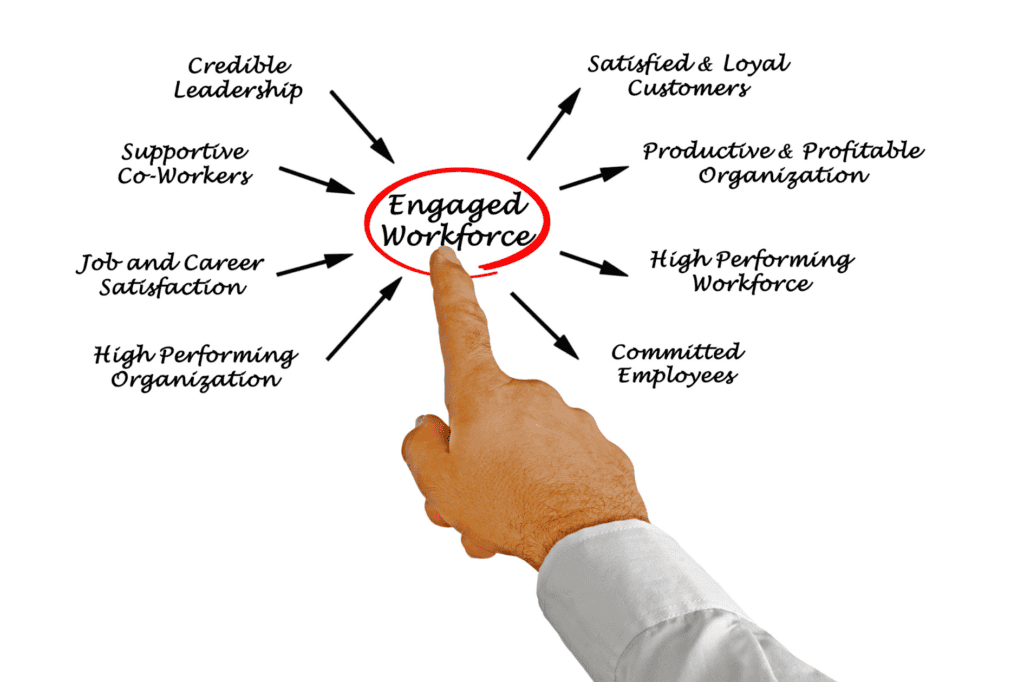
Sometimes employees are not disengaged. They are simply worn down by friction. Repeated approvals, unclear ownership and bloated meetings tell people that effort does not reliably lead to progress. That affects productivity, morale and the quality of the work environment.
Way 11 for department heads: Remove process and meeting blockers that drain energy
If people need four approvals for a routine decision, rewrite the path. If two teams produce the same update, remove one. If ownership is fuzzy, clarify who decides. These small changes enhance performance and improve employee engagement level faster than another slogan.
Measuring workforce engagement through behaviour proves what changed
The last mistake is measuring engagement only through broad sentiment and annual lag. Oak Engage’s employee engagement statistics roundup reinforces the link between engagement, retention and performance. Inside an organisation, I find a simpler question more useful: what are employees doing differently now that tells you the environment is changing?
For CHROs: Track retention, voice, ownership, and meeting quality
Track voluntary turnover, stay interview themes, employee satisfaction, absenteeism, internal movement and follow-through. Add qualitative signals as well: are people raising issues earlier, taking clearer ownership and speaking with less caution? That gives you a better read on workforce engagement than survey scores alone.
For senior leaders: Know what engagement initiatives can and cannot promise
A keynote can create shared language, energy and practical reflection. It cannot fix workload fairness, weak management, poor work life balance or a broken workplace culture on its own. Senior leaders should say that plainly.
Connect the 11 ways to a leadership keynote
If you are choosing a speaker on employee engagement, the real question is whether the room will leave with a more useful perspective. I do not promise measurable ROI from one talk.
I aim to help leaders see workforce engagement through clearer questions, stronger recognition, better decisions and actions they can take immediately after the session.
An engaged workforce is built through repeated leadership behaviour, not one-off events, perk cycles or dashboards alone. Define the behaviour, connect work to purpose, find bright spots, repeat what works, communicate clearly, close loops, strengthen one-to-ones, link recognition to development and remove friction.
If you want to explore a corporate keynote or leadership session on workforce engagement, communication and performance, visit Kennethkwan.com.
Frequently Asked Questions
What is an engaged workforce?
I see an engaged workforce as a group of people who understand the organisation’s purpose, know how their work contributes to it, and are motivated to give their best each day. Engagement is reflected in behaviour, not just attitude. Engaged employees take ownership, collaborate with others, contribute ideas, and remain committed to achieving meaningful outcomes.
Who is responsible for workforce engagement?
Workforce engagement is a shared responsibility. Senior leaders establish the vision and culture, HR provides the systems and initiatives that support employees, and managers shape the day-to-day experience through their leadership. Employees also play a role by participating, communicating openly, and taking ownership of their work. However, lasting engagement is difficult to achieve if leadership behaviours, organisational culture, and management practices do not support it.
Can a corporate speaker actually help build an engaged workforce?
Yes, but a keynote is only one part of the solution. A strong corporate speaker can inspire fresh thinking, challenge unhelpful assumptions, and encourage leaders and employees to view familiar challenges from a different perspective. A keynote can create momentum and spark important conversations, but it cannot, on its own, improve engagement.
Sustainable workforce engagement comes from what happens after the event. Leaders need to reinforce the key messages through consistent communication, meaningful action, and everyday management practices.
Read more: Purpose, Progress, and Recognition Inspire Teams More Than Perks Ever Will