September 15, 2026
How to Manage Workplace Change When Morale Is Low
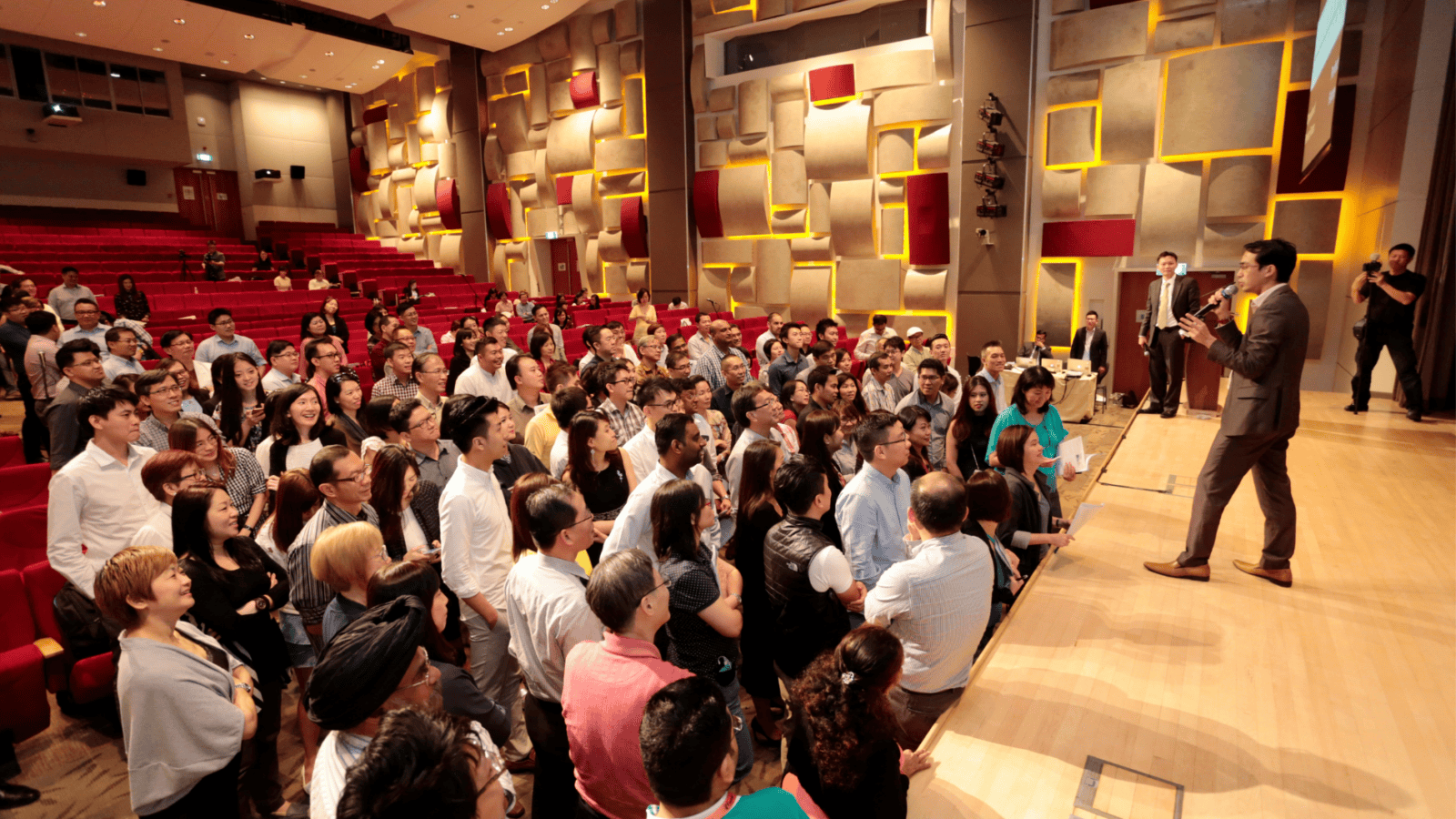
I’ve led teams through re-organisations, layoffs, leadership transitions, and the kind of quiet, grinding change that never makes it into a press release but reshapes a team all the same. And if there’s one thing I’ve learned, it’s this: change doesn’t fail because the plan was bad. It fails because nobody accounted for how people feel while they’re living through it.
When morale is already low, when people are tired, uncertain, or quietly resentful, change lands differently. It doesn’t feel like opportunity. It feels like one more thing being done to them instead of with them. As a leader, my job in those moments isn’t to sell the change. It’s to help my team navigate change without losing trust, energy, or each other along the way.
The data backs up what most of us feel instinctively. A recent Investors in People survey found that only 22% of employees say they feel energised and ready to embrace change, compared with half of executives and that more than a third of staff said workplace change had left them more stressed, with 44% citing rising workloads and pressure as their biggest worry. There’s a real gap between how leaders experience change and how everyone else experiences it, and closing that gap is exactly the job.
Here’s what I’ve learned about how to manage workplace change when morale is low, and how to actually help people embrace change instead of just enduring it.
Key Takeaways
- Acknowledge how your team is feeling during periods of uncertainty and change.
- Create clarity by explaining why the change matters and what it means for people.
- Give people a sense of control and celebrate small wins to build momentum.
- Stay connected, listen actively, and lead by example throughout the transition.
- Build trust by helping your team develop the confidence to adapt to change.
Start by Naming What People Already Feel

I used to make the mistake of leading with logic. Here’s the new process, here’s the timeline, here’s why it makes sense. But when morale is low, people aren’t in a logical headspace. They’re in a guarded one. They want to know it’s safe to ask questions before they’ll listen to answers.
So now I start differently. I say the quiet part out loud: “I know this is a lot. I know some of you are exhausted before we’ve even started.” Naming the fear doesn’t create it. It was already there. Naming it just tells people I see them. That’s the first step in any real transition, long before a single process changes.
This isn’t just a soft leadership instinct. It shows up clearly in the research. One widely cited breakdown of change management statistics found that the biggest drivers of employee resistance are a lack of trust in leadership (41%), not understanding why the change is happening in the first place (39%), and plain fear of the unknown (38%). Notice that none of those are really about the change itself. They’re about communication, or the absence of it. That’s exactly why naming the discomfort out loud matters so much: it closes the gap that fear and mistrust usually fill.
Change Isn’t the Enemy, Uncertainty Is
Something I remind myself constantly: people don’t actually resist change as much as we think they do. What they resist is uncertainty, and the feeling that they have no control over what happens next. Change is constant in any career, in any organisation, in life generally, but the way we introduce it determines whether people experience it as growth or as threat.
So one of the most useful tools I’ve found isn’t a framework. It’s a habit: give people something they can control, even if it’s small. Let them choose the order they tackle tasks in. Let them decide how their own team communicates during the shift. When people can’t control the big thing, giving them control over a small thing restores a sense of agency, and agency is what turns fear into forward motion.
Make the “Why” Personal, Not Just Strategic
I’ve sat through plenty of change announcements that explained the business case perfectly and still landed flat. Why? Because people don’t just want to know why the company needs this. They want to know what it means for them, their role, their growth, their day to day work.
So I try to answer the question before anyone has to ask it: What does this change mean for you, specifically? What stays the same? What skills will this ask you to build? I’ve found that connecting a workplace shift to someone’s own personal growth, not just the company’s goals, is one of the fastest ways to move a team from resistance toward genuine buy in.
Small, Visible Wins Build Momentum
When morale is low, big transformation talk can actually backfire. It feels distant and abstract, like something happening to the organisation rather than something happening for the team. What works better is finding small, visible signs of progress early and pointing at them directly.
A process that used to take five steps now takes three. A meeting that used to run long now wraps on time. These aren’t the whole transformation, but they’re proof the change control is real and it’s working. I make a point of naming these small wins out loud, because growth often occurs in increments long before anyone feels like the “big change” has arrived.
Stay Close, Not Just Available

“My door is open” is a nice sentiment, but during a hard transition it isn’t enough. People in a low-morale moment often won’t come to you, they’ll quietly disengage instead. So I’ve learned to go find the potential. Short one-on-ones. Genuine check-ins that aren’t really about status updates at all. Sometimes the most useful thing I do all week is just ask, “How are you actually doing with all this?” and then stay quiet long enough to hear the real answer.
This kind of support does more to build resilience on a team than any all-hands presentation ever has.
Model the Mindset You’re Asking For
If I want my team to accept change and step outside their comfort zone, I have to visibly do the same. I try to talk openly about what I don’t know yet, what I’m still learning, and where I’ve had to adjust my own approach mid transition. Leadership during change isn’t about projecting total certainty. It’s about showing people that staying steady doesn’t require having all the answers.
When people see a leader willing to learn in public, it gives them permission to do the same instead of pretending they’ve already got it figured out.
Change as a Skill, Not a Single Event
The biggest shift in how I think about all this happened when I stopped treating change as an event to survive and started treating it as a skill to build. Every transition, big or small, is a chance to practice staying grounded when things are uncertain. Over time, that practice becomes its own kind of strength.
That’s really what it means to embrace change as a leader: not pretending it’s easy, but building the habits, the check ins, and the small wins that help your team come through it steadier than they went in.
Morale doesn’t recover because change stops. It recovers because people start to trust that whoever is leading them through it actually has their back. That trust is built in the small, unglamorous moments: a real conversation, a small win named out loud, a leader willing to say “I don’t have this all figured out either.” Do that consistently, and change stops feeling like something happening to your team, and starts feeling like something they’re capable of moving through together.
What’s one small change you can make as a leader this week that would help your team feel more confident moving forward?
Share your thoughts with Kenneth Kwan. Sometimes the smallest leadership shifts are the ones that create the biggest change.
Frequently Asked Questions (FAQs)
1. How do I manage workplace change when morale is low?
I start by acknowledging how my team feels, creating clarity around the change, giving people some control, and focusing on small wins that build confidence.
2. How do I help my employees embrace change?
I would suggest to make change feel more manageable by explaining its personal impact, listening to concerns, staying present, and modelling adaptability myself.
3. Why do I see resistance to workplace change?
Firstly, recognise that resistance often comes from uncertainty, lack of trust, poor communication, and fear of losing control rather than from the change itself.
4. How do I rebuild morale during organisational change?
Rebuild morale through honest conversations, regular check ins, visible progress, recognition of small wins, and consistent support.
5. What leadership skill do I rely on most during change?
Rely on my ability to build trust while helping my team stay grounded, adaptable, and confident even when the outcome is uncertain.
Read more: How Psychological Safety Helps Teams Navigate Change