June 19, 2026
High Performance: Why It’s Less About Talent Than Daily Discipline
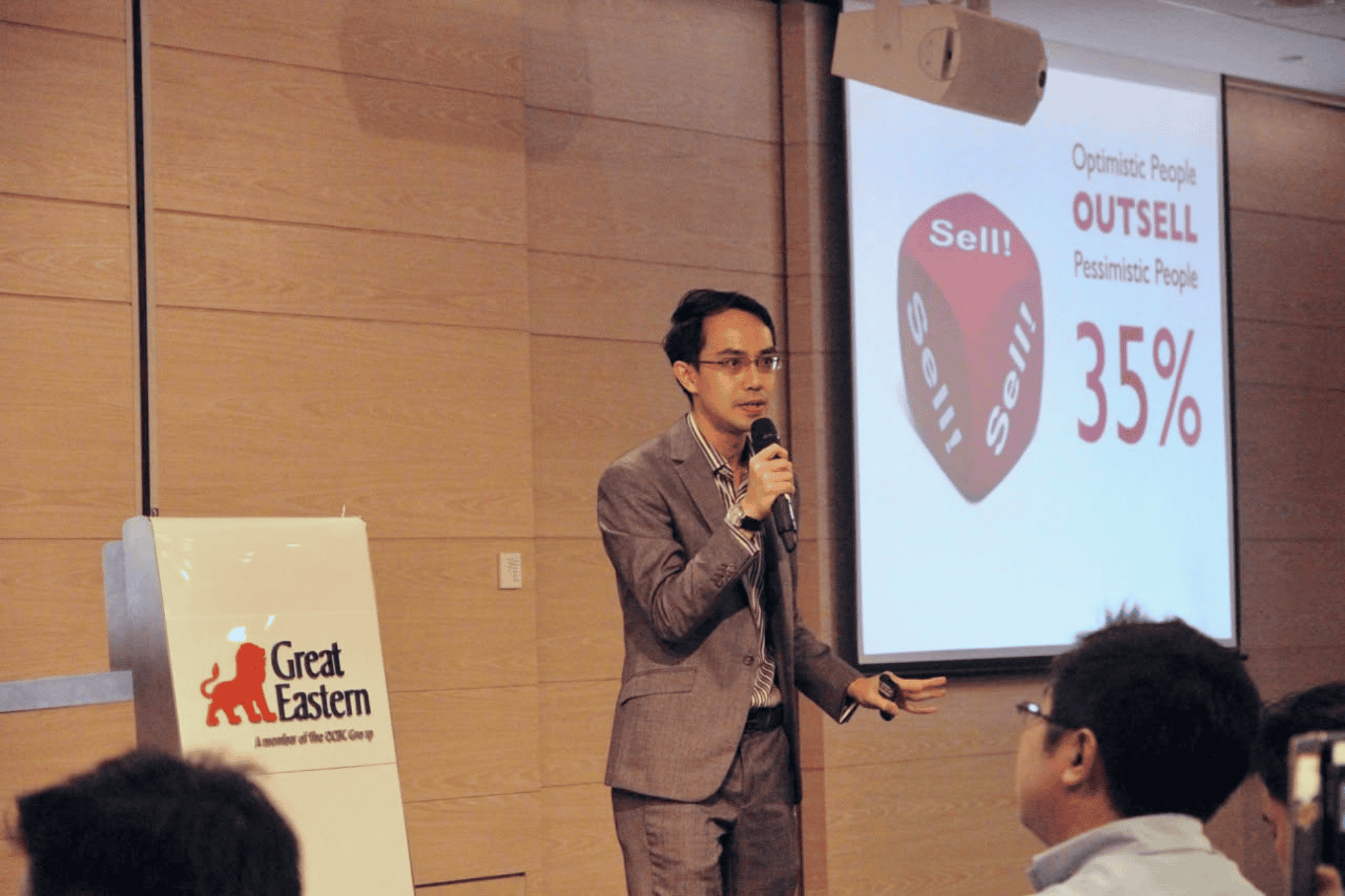
High performance is often treated as a talent problem. As a leadership coach, I have found it is usually a discipline problem.
During a coaching session with senior leaders in Singapore, an HR leader told me the organisation kept hiring bright people, yet execution still rose and fell depending on who was in the room. They assumed they needed more talent. What they needed was a more consistent way of leading. Many organisations overvalue gifted individuals and undervalue repeatable leadership behaviour.
That distinction matters for any business or team. Talent gives a fast start. Daily discipline is what helps performance last over the long term.
Key Takeaways:
- High performance is less about exceptional individuals and more about repeatable behaviour.
- Consistency, not brilliance, is what sustains results.
- Identify one behaviour your leaders need to do reliably, not brilliantly.
- Predictable leadership builds trust, execution and culture.
- A talk or coaching engagement can spark this shift, but cannot replace daily follow-through.
Why Talent Alone Rarely Sustains High Performance
Most leaders know talent matters. What I challenge is the idea that talent alone is enough.
Once that belief settles in, organisations start treating a single achievement as proof of readiness, rewarding brilliance while excusing inconsistency. That looks impressive for a time, but rarely creates stability. Performance ends up depending on a few individual stars.
The Hidden Problem with Talent-First Leadership Cultures
Talent-first cultures celebrate potential more than consistency. The charismatic leader who lifts a room once a quarter is easier to notice than the steady manager who brings clarity every week.
The problem appears later. Teams adjust themselves around a few high-output individuals; decisions and standards become personal rather than shared. According to Forbes on operational discipline as a growth strategy, growth often exposes weak execution systems rather than solving them. I have watched the same pattern in my coaching work: talent hides inconsistency for a while, but scale reveals it quickly. The individual performers who carry too much often burn out first.
Daily Discipline Creates Predictable Results

Sustainable high performance emerges when behaviour is repeatable. Leaders who prepare properly, follow through and hold a high standard create results a team can rely on. That matters more than charisma a team needs a leader whose judgement does not swing wildly with mood or pressure. Daily discipline gives leaders real power over outcomes, not just good intentions, and it is what continues to drive performance long after a kickoff meeting’s enthusiasm fades.
Why Consistency Beats Intensity Over Time
Short bursts of effort feel impressive. Consistency compounds. A leader who gets one per cent clearer, one per cent better at follow-through, and one per cent more thoughtful about priorities will usually achieve more than one who relies on occasional heroic pushes.
Instead of asking “Who are my stars?”, I encourage the leaders I coach to ask, “What behaviour do I need repeated if I want to reach my high performance goal?” A clear standard does more to drive behaviour than a single talk; what leaders repeat is what drives results, season after season. That is the goal high performance teams chase every quarter not a single great result, but a repeatable one.
The Daily Habits That Separate High Performers from Average Leaders
The answer is rarely dramatic. I see it in how leaders think before they act, how they review progress, and how reliably they show up for each team member, customer, or peer.
High Performers Prioritise Clarity Before Action
Average leaders move fast and call it decisiveness. High performers slow down just enough to get clear first deciding what matters most before the day gets noisy. Clarity is not a soft skill. It is a performance habit.
Feedback Loops Create Continuous Improvement
High performers do not wait for quarterly reviews to learn; they build smaller loops of reflection into the week. One useful question is Exception Finding: when did this go better than expected, and what was different?
According to Harvard Kennedy School on changing culture through one high-impact behaviour, culture change starts more effectively when leaders focus on a visible behaviour with outsized influence. Improvement sticks when a leader can define one repeatable action, practise it, and review it honestly this is how a leader can consistently raise the standard without burning out the team.
Discipline Builds Trust Across Teams
Teams trust what they can rely on. If a leader’s standard shifts from Monday to Friday, nobody calls that agility they call it risk. Consistent behaviour reduces guesswork and increases psychological safety, because each team member knows what good looks like. In high performance teams, trust is built less by speeches than by reliable patterns, and it gives a real competitive advantage to organisations that get it right.
Discipline Is a Leadership Signal
In a room of leaders from a healthcare system, one manager told me: “My team is capable, but they keep waiting.” The issue was not capability the team had learned that priorities changed too often, so waiting felt safer than acting.
Leaders set tone; teams follow it. When leaders are steady, teams move earlier and take ownership. When that power is used consistently, teams stop waiting and start acting. Your discipline is never only personal it teaches the organisation, and the wider community around it, what is normal.
Why Motivation Fades but Systems Sustain Performance
Motivation is visible and easy to remember, but it rises and falls. Systems stay in place when pressure returns, which it always does.
Motivation is emotional; discipline is structural. It shows up in calendar habits, meeting rhythms and review routines systems that support good behaviour without requiring someone to feel strong, or feel inspired, that particular morning.
Strong teams are not built on rescue acts. They are built on simple systems, designed deliberately, that make good behaviour easier to repeat. According to McKinsey on capturing the performance edge in transformations, organisations that sustain performance treat change as a managed system rather than a one-off initiative. Heroics make a good story. Systems make a good quarter.
This matters especially for HR and L&D leaders trying to reduce burnout without lowering standards. Perfection creates fear; consistency creates confidence. If people think high performance means never slipping, they hide mistakes and exhaust themselves. If they understand it as disciplined recovery, they improve faster and stay in the work, and in their working life, longer.
How Organisations Can Build a Growth High Performance Culture
A high performance culture is not built through slogans. I have seen it grow, through years of coaching engagements, through visible behavioural standards leaders reinforce repeatedly. It shapes every interaction a leader has with their team, not just the big moments and it takes attention, language, purpose and example from the top.
Leadership training lands better when it answers a harder question: what will a leader do differently next Monday? Not what they will understand, but what they will practise. If the behaviour is not visible, it is unlikely to spread.
Culture is shaped in ordinary moments meeting rhythms, how feedback is given, whether commitments are followed up. Culture listens to behaviour more than messaging.
A keynote speaker or coach can help, because familiar truths are often heard differently from an outside voice. A good keynote helps leaders see high performance differently by naming a pattern they have stopped noticing. Leaders around the world recognise the pattern once it is named. But a keynote can only ignite reflection and momentum it cannot replace the systems leaders must keep practising afterwards.
How I Help Organisations Build Sustainable High Performance
When I coach on high performance, I am not asking leaders to become more intense, I am asking them to become more disciplined in the behaviour their teams experience every day. The standard they walk past becomes the standard they teach.
Every leader I coach sets one goal: high performance they can repeat, not just a single great quarter. The aim of every engagement is a measurable, positive impact on how a team works together, not only how it feels for a week.
The Discipline Behind Consistent High Performance
High performance is often discussed as if it belongs to a gifted few. The more useful view is simpler and harder: it is built through discipline, systems, purpose and repeated behaviour. There is no single solution that fixes inconsistent execution overnight, and there rarely needs to be one.
If your organisation wants to grow high performance, or simply improve performance within a team, look at what leaders repeat, not only what they say they value. Build clarity before action. Set a high standard, and make consistency visible. Every difficult Monday is also an opportunity to reset that standard. That is the most common trait I see, as a coach, in leaders who continue to grow.
That is the spirit behind Small Steps To Big Changes®: not dramatic promises, just disciplined actions that, repeated over time, help leaders and their wider business community achieve meaningful progress.
If you would like to explore this further for your team or organisation, feel free to connect with me to continue the conversation.
Frequently Asked Questions
What is your definition of high performance, is it mostly natural ability?
The ability to deliver strong results repeatedly under real pressure. Natural ability gives an early advantage, but sustained performance comes from habits, systems, self-discipline and behaviour people develop over time.
Will a keynote on high performance actually change anything?
It can change how leaders see the issue. A good keynote gives language to a pattern and creates momentum for a new conversation. What it cannot do alone is maintain the discipline afterward; leaders still need a coach, a system, or a peer to help them practise what was sparked in the room.
How is your approach different from a motivational speaker?
I do value inspiration, but I see it as a starting point. My focus is on offering a shift in perspective that helps leaders reflect on how they think and respond, especially in high pressure situations. For high performers, self awareness is not just an annual exercise. It can be built into a regular rhythm of reflection in how they work and decide. The aim is to keep it practical and applicable in their own context.
Read more: High Performance Leadership Is Built on the Focus Leaders Choose to Keep