Let’s be clear about something most speaker bureaus won't say out loud.
Booking a top keynote speaker is easy. Choosing the right executive speaker, the one who actually moves something in the room, is where most corporate events quietly fall short.
Most of the time, I notice a significant gap between expectation and reality.What organisations hope will inspire, align, or shift thinking often ends up as a fleeting moment of applause.
If the audience includes senior leaders, executives, or global teams navigating real pressure in a disruptive world, the stakes of getting it wrong are even higher.
The cost is not just the event itself. It is a missed opportunity to shift thinking and create momentum that actually carries into the work that follows.
Before opening a speaker reel or browsing a bureau shortlist, it is worth slowing down and asking a more important question: not who is available, but what this room actually needs.
Here's a scenario that plays out at corporate conferences more than anyone wants to acknowledge.
The interactive keynote speech lands well. The speaker is high energy, polished, and the room responds. People applaud. A few people even stand. Someone posts a quote on LinkedIn.
And then two days later, nothing has changed. No new thinking. No actionable practical strategies carried back into the business. No shift in how leaders are approaching the challenges that were sitting on the table before the event even started.
Just a fading memory of a good performance.
That's the applause problem. And it's the difference between hiring a motivational speaker and hiring someone who genuinely understands leadership influence at the executive level.
For audiences, especially senior ones, entertainment and impact are not the same currency. A room can feel energised and still remain unchanged.
When organisations invest in speakers who prepare thoroughly, aim to leave an inspiring impression, and are encouraged to create meaningful change, the real cost of missing that impact is the gap between energy in the room and the momentum that carries forward.
The good news is that it's entirely avoidable. But it requires choosing differently.

Leaders sitting in the front rows of conferences are not passive. They're evaluating. Within the first few minutes they're making a quiet assessment: does this person actually understand the context I'm operating in?
They've heard the frameworks. They've seen the three-step models. They've sat through enough keynote speeches to recognise the shape of a polished performance versus the substance of someone who has genuinely wrestled with the complexity of leading in an ever changing business landscape.
What they're looking for?
Even if they wouldn't use these words, it is someone who can speak directly to the business challenges they're navigating right now.
Digital transformation is moving faster than most organisations can absorb. The rise of artificial intelligence and what it means for human creativity, decision-making, and the future of teams.
Market shifts are rewriting competitive advantages almost overnight. The pressure to build high-performance cultures whilst also protecting mental health, sustaining employee engagement, and holding together team dynamics that have been stretched by years of disruption.
That's a specific and demanding brief. And it rules out a large number of speakers who look impressive on paper but whose depth doesn't match the room they're walking into.
The right conference keynote speaker for an executive audience isn't necessarily the most famous name or the most watched TED talk.
They're the ones whose expertise is genuinely relevant, whose international experience gives them the credibility to speak across contexts, and whose deep understanding of leadership allows them to meet the room where it actually is not where a generic keynote assumes it to be.
Captivating storytelling involves weaving data, research, and personal anecdotes into a compelling narrative. Table discussions, where audience members discuss challenges mentioned by the speaker, can increase engagement.
Burnout is a trending topic: focusing on mental health and workplace culture. The concept of a growth mindset is becoming a popular theme in speaking, emphasising the development of abilities through effort and learning.
Corporate events are increasingly featuring speakers who focus on emotional intelligence and its role in leadership and team dynamics. There is a growing emphasis on the importance of psychological safety in the workplace, which motivational speakers are addressing in their talks.
When I take the stage, my focus immediately shifts towards the leaders in the room. I make it my priority to stand in their shoes, think from their perspective, and work through the challenges they face. I observe, I listen, and I sense the room, the concerns, the pressures, the unspoken questions, before I even begin to speak.
As a keynote speaker, it is not just about delivering a message. It is about connecting with the reality of leadership, understanding the stakes, and tailoring every insight so it resonates with what matters most to them. I aim to spark reflection, challenge assumptions, and create moments where leaders feel seen, understood, and inspired to act.
Every gesture, every story, every pause is intentional. I measure the room’s energy, the subtleties in conversation, and the engagement in real time. The goal is simple but profound: to leave leaders not only inspired but equipped with a fresh perspective, clarity in thought, and the momentum to bring change even after the corporate events.
Keynote speeches on leadership can be applied to every industry, making them a good fit for numerous conferences and business events. An effective executive speaker is able to convey complex ideas in a clear and relatable manner, making them accessible to the audience.
One of the more defining engagements in my speaking career was with a billion-dollar, identity-centric security organisation operating at the forefront of digital trust.
They weren’t looking for motivation. They were looking for momentum.
The brief was clear: align their ecosystem of suppliers and strategic partners around a new way of thinking one that would not only support transformation at a corporate level, but enable leaders across multiple organisations to drive change within their own teams.
In high-stakes industries like cybersecurity, change is constant. The challenge is not awareness it is adoption. Not strategy but sustained execution.
In that keynote, I worked with their extended leadership network to reframe change from a compliance exercise into a competitive advantage. We explored how to:
The session was not about “feeling good” about change. It was about equipping leaders to think differently, speak differently, and therefore act differently. Because in complex ecosystems, culture is not declared. It is demonstrated by empowering leaders supplier by supplier, leader by leader.
That is where sustainable, results-driven change truly begins.

It’s worth pausing on this distinction because, particularly in the Singapore market and across Asia Pacific and Middle East conferences, performers and a well-thought keynote speakers are often treated as interchangeable.
They are not.
A speaker can share a thought.
A motivational speaker can raise energy levels.
But a well-prepared keynote speaker changes the way a room thinks, influencing conversations leaders have with themselves and with each other for weeks after the event. Those are fundamentally different outcomes, and they demand fundamentally different expertise.
The most effective keynote speakers bring something specific to the platform. I usually carry real-world credibility, having worked with global teams, navigated high-stakes decisions and experienced the complexities of organisational change with my clients.
When keynotes are integrated into broader organisational initiatives (not just event filler), research by the ROI Institute shows organisations can report an average return of 353%, with improvements in team performance, and outcomes.
They offer perspectives sharp enough to be genuinely useful and honest enough to challenge the room without alienating it. Crucially, they read the audience in real time, adapting their delivery to what the room truly needs rather than simply executing a rehearsed speech.
Top speakers invest 5-10 hours researching the organisation and audience to tailor their message. Pre-event intake surveys help assess attendee challenges and prioritise topics for the speaker. Effective strategies for engaging an executive speaker include customisation, interactive technology, and structured dialogue.
Nearly 65% of organisations report that speaker messages continue to resonate internally 1–6 weeks following the event, becoming part of leadership dialogue, internal initiatives, and team decision‑making rather than fading after applause.
Selecting an executive speaker requires balancing industry authority and engaging delivery. Actionable playbooks or frameworks provided by speakers can aid in immediate implementation of insights shared during the event.
Speakers who combine recognised thought leadership with direct consulting experience for major organisations or governments bring unique value. They bridge ideas and practice, sharing lessons from real successes, failures, and trade offs. That texture, the messy, non linear reality of achieving ambitious goals, is what resonates with corporate audiences.
When you engage a speaker with both credibility and authentic presence, the one with right balance, the impact extends beyond applause. The keynote becomes part of ongoing conversations, influences team decisions, and shapes leadership thinking for months.
Hiring a professional keynote speaker can mitigate risks associated with unpaid speakers, who may not deliver the desired impact.
That’s all the difference between a performer who entertains and a keynote speaker who leaves a lasting mark, and it’s what turns a good event into one that truly matters.
One of the most persistent mistakes in planning corporate events is treating the keynote speech as a standalone moment of inspiration, rather than as a catalyst for something larger.
The best executive speakers understand that their role is not simply to fill forty-five minutes on a programme.
My role as a "Keynote speaker" is to shift something a mindset, and a shared understanding. My overall agenda revolves around helping leaders recognise the positive progress that has been made, reflect on what has worked well, and explore what can still be achieved today.
Not all speakers deliver equal impact. Surveys show that only around 12% of organisations found celebrity “headliner” speakers delivered strong ROI, compared with thought leaders and authors, who were much more likely to create measurable organisational value.
Think carefully about what you want leaders to take away.
A clearer framework for navigating market shifts and digital transformation? A deeper and more honest conversation about emotional intelligence and its role in building high-performing teams? A fresh perspective on growth and what it truly means to create an organisation where engagement is genuine rather than performative? Or a broader sense of possibilities for leaders who feel they have reached the edges of their current thinking?
For me, inspiration itself is rarely measurable. It will not be reflected in total sales or revenue figures. The only meaningful way to gauge the impact of a keynote is through tangible shifts in thinking and behaviour for example, a stronger problem-solving attitude, greater ownership, or clearer decision-making among leaders.
If you can answer that question with precision before you even look at a single speaker biography, you will make a dramatically better choice. The speakers who can deliver against such a brief do exist, but you need to know what you are looking for before you can find them.
The most effective professional speakers, those who regularly appear at conferences and corporate events across Southeast Asia, the Middle East, and beyond are well-placed to help organisations think in this way. However, they require a genuine brief, not just a theme and a time slot.
A leadership-focused conference provides strategies to overcome regional challenges, helping leaders make informed decisions and drive growth in their communities.
Conferences are opportunities for leaders from different companies to network, collaborate, and exchange insights, which can help attendees find solutions to common problems.
Leadership development can inspire individuals to innovate and think creatively, helping organisations adapt to market shifts and build forward-thinking cultures.
After speaking to a group of sales professionals across 4 regions, one particular interaction stood out.
A Sales Leader spoke to me 3 months later how the framework I introduced had fundamentally shifted the way he led his team conversations. Prior to the conference, their meetings were heavily anchored in constraints targets missed, obstacles faced, market resistance. The energy was analytical, but it was also draining. They were becoming highly skilled at describing problems, yet not equally skilled at designing progress.
He applied the concepts he heard from my presentation. Instead of asking, “Why are we behind?” he began asking his team, “If we were performing at our best this quarter, what would be happening differently and what can we do this week to move closer to that?”
The shift was not cosmetic. It was cultural.
He shared that conversations became more open, more accountable, and more solution-focused. Team members who had previously remained quiet began contributing. Meetings moved from one-directional reporting to collaborative problem-solving. Energy increased not because challenges disappeared, but because the team regained a sense of agency.
That is the work I focus on as a change and leadership keynote speaker.
Not simply to inspire for an hour but to equip leaders with practical thinking frameworks that reshape conversations, unlock ownership and create measurable momentum long after the applause fades.
So what separates the speakers worth shortlisting from the rest? Here's what to look for beyond the reel and the reviews.

Forget about perceived limitations, think about achieving success!
As an executive speaker, the role goes beyond delivering a message. The person is responsible for moving high performance teams, inspiring leaders to challenge assumptions, and helping organisations see opportunities they may have overlooked.
Executive audiences can tell the difference between someone who has done the thinking and someone who has learned to sound like they have.
Look for a leadership speaker whose expertise runs deep enough to be genuinely useful for your industry, your challenges, and your level of audience.
A bestselling author on a topic directly relevant to your organisation's agenda carries a very different kind of credibility than someone with a broad motivational message.
The best speakers have either led global teams themselves, worked closely alongside challenges faced leaders who have, or spent enough time embedded in organisations at the highest level to understand how leadership actually works when the stakes are real.
Successful executive speakers are known for their storytelling abilities, which help to connect with the audience on a personal level.
Effective executive speakers often use humour to create a relaxed atmosphere and enhance audience engagement. The best executive speakers are passionate about their topics, which helps to energise and motivate their audiences.
A professional speaker should exhibit reliability and flexibility during pre-event communications.
That grounding shows. It shapes how they talk about failure, about trade-offs, about the gap between what organisations say they value and what they actually do.
The speaker must be recognised as a subject matter expert, backed by years of research or high-level industry experience.
Influence at its best doesn't offer false comfort or easy answers. It offers a more expansive and honest view of what's achievable including for leaders who feel as though they've reached the limits of what they know.
In my understanding, the speakers who do this well combine deep expertise with genuine empathy, meeting people where they are rather than where a polished narrative assumes them to be.
Look for speakers who demonstrate an "Above and Beyond" attitude by engaging in pre-event marketing and post-event interaction.
Whether your audience includes sales professionals, corporate trainers, or C-suite executives, the test of a great keynote is whether the thinking holds up when people return to the actual complexity of their work.
A successful speaker should share personal stories of failure and growth to build trust and authenticity. Modern audiences expect interaction, such as real-time polling during presentations. Look for speakers who can maintain high energy and interact with the audience.
Experience that is specific enough to be applied, and actionable insights grounded in the reality of how organisations change, are the hallmarks of a speaker genuinely invested in the audience’s success rather than their own performance on the day.
There's a meaningful difference between a speaker who performs well at general business conferences and one who has consistently delivered for high-stakes corporate audiences, leadership summits, and events where the room includes people who are exceptionally difficult to impress.
Search for evidence of both, and pay attention to what past clients say about lasting impact rather than just in-the-moment reception.
Look for academic recognition or professional designations, such as a Certified Speaking Professional (CSP), to validate a speaker's authority. It is the highest-earned international designation in the speaking industry, representing elite, verified platform competence, experience and professional ethics. About 12% of professional speakers hold this title.
Requesting a full-length, unedited video of a recent presentation helps assess a speaker's ability to hold an audience's attention.
When you consider what makes someone a genuinely compelling choice for corporate events at the executive level whether across Southeast Asia, the Middle East, or on the global conference circuit, it is rarely one single quality.
It is the combination. Global experience and local relevance. Deep expertise and accessible delivery. The intellectual rigour of a thought leader paired with the human warmth of someone who genuinely cares about the people in the room.
Speakers can address artificial intelligence and digital transformation with credibility while also holding space for human questions: self awareness, personal development, shared purpose, and what it truly means to lead in a world that changes faster than anyone planned for.
I generally focus on the five "Ws" (what, why, when, where, and who) whenever I take the stage. Leaders are guided to understand what the situation is, why it matters now, when decisions and actions need to be taken, where opportunities and obstacles exist within the organisation, and who else is impacted or needs to align to navigate it effectively.
Working through these questions helps leaders see through the complexity of their situations, uncover opportunities that may have been overlooked, challenge assumptions that hold them back, and identify paths forward that feel achievable rather than aspirational.
The best executive speakers, those who become true game changers for the organisations that book them, bring all of this together. They do more than deliver a keynote; they shift the conversation.
Leaders walk away seeing their challenges, teams, and own leadership with greater clarity. High- performing cultures begin to take root, shared purpose-led growth becomes tangible, and ambitious organisational goals feel within reach rather than abstract.
That distinction separates a dynamic speaker from a transformative one. In a world as complex and fast-moving as the one leaders are navigating today, that difference matters more than ever.
Here's the question that should anchor every executive speaker decision you make.
Two days after your corporate event, are your leaders still thinking about something they heard?
Did it shift how they're approaching a real challenge in the business? Did it create enough shared language in the room that people are referencing it in meetings, in one-to-ones, in the conversations that shape how your organisation actually moves?
That's the measure of a great keynote. Not the standing ovation. Not the survey score. Not the number of LinkedIn posts on the day.
The future of leadership development through business conferences and corporate events isn't louder or flashier.
It's more precise. It's speakers who understand that a room full of leaders doesn't need to be pumped up it needs to be seen, challenged, equipped, and trusted with ideas sharp enough to actually use.
Choose accordingly, and your next event won't just be memorable.
It will matter.
Is your goal a keynote that entertains for a day, or one that transforms thinking long after the stage lights go out? Hire Kenneth Kwan as your executive keynote speaker to make your next corporate event more impactful!
Read More: Conference Keynote Speaker – A Guide to Choosing and Booking
When senior leaders gather for a major conference, they are not just looking for inspiration. They are looking for perspective earned through real experience. They want insight shaped by challenges faced, lessons learned, and successes achieved.
That is where a conference keynote speaker truly matters.
A powerful keynote does more than share ideas. It transforms experience into influence. It takes lessons learned in boardrooms, during periods of change, through growth, crisis, innovation, and success, and translates them into insights that leaders can apply immediately.
In my experience, the right keynote does not simply energise a room. It reshapes how the audience thinks, influences how the event unfolds, and leaves a lasting impression that participants carry beyond the conference.
For top executives, board members and emerging leaders, a keynote is a signal of depth and direction. It reflects the standard of thinking expected throughout the event.
In my experience working with leadership teams, choosing the keynote speaker is never just an agenda decision. It is a choice that can elevate the entire conference.

Yes, they DO!
A conference keynote speaker is really the anchor of the whole event, and the organisers should understand this.
Other workshop speakers may share specialist insights, but the conference keynote is the one responsible for framing the big picture.
They set the tone and shape how attendees interpret everything that follows, helping the conference feel cohesive rather than scattered.
A good keynote speaker will customise their speech to align with the event's theme and audience expectations.
In fact, research shows that keynote sessions are often the most valuable part of a conference around 85 % of participants say they’re the segment that has the biggest impact, because a great keynote gives the audience a central narrative that ties the entire agenda together.
When the keynote is chosen well, it aligns the audience with the event’s purpose and brings clarity to the theme. It unites people from different backgrounds into one shared leadership conversation and sets both the intellectual and emotional framework for the sessions that follow.
At the senior level, leaders aren’t looking for fragmented ideas they want coherence. A keynote delivers that by synthesising the conference theme into a clear, compelling story.
Event organisers often note that keynote speakers provide the broad perspectives and expert insights that help everyone feel connected to the event, boosting engagement across the board.
Keynotes also offer strategic benefits beyond insight. The right speaker can elevate the prestige of your event, attract more attendees, and even increase media coverage and sponsor interest. Their presence signals a high-quality experience.
That’s why the right conference keynote speaker isn’t just someone who delivers a speech they shape the intellectual and emotional direction of the event, leaving an impression that sticks long after the final applause.
An opening keynote and a closing keynote serve very different but equally important roles. Each requires a distinct tone, focus, and energy. Understanding the difference allows event organisers to match the right keynote speaker to the right moment.
In my experience, the opening keynote speaker sets expectations for the entire event. This is where the theme is introduced with clarity and conviction, and where leaders begin to feel the significance of the gathering.
A strong opening keynote establishes credibility from the stage, signals that the conference will be meaningful, and frames the key ideas that other speakers will build upon. It also encourages early audience interaction, setting the tone for active participation throughout the event.
As a professional keynote speaker, I remember delivering the opening keynote for the Learning and Development Conference in the Maldives. I had to frame the context of the aims of the conference and its implications for how the Human Resource Professionals should think about new possibilities and build empowering culture. Technology can always change, but culture is steadfast.
The closing keynote speaker, on the other hand, has a different challenge. By the time the closing keynote begins, participants have absorbed multiple perspectives.
After two decades of speaking in conferences, from experience, I believe that the closing keynote is about synthesising these insights into a coherent narrative. It sets the tone for how people remember the event and how they carry its messages into their everyday roles.
A successful closing keynote reinforces key takeaways and translates insights into actionable points. This means that the closing keynote speaker needs to listen to all the sessions attentively and close with a clear and compelling call to action.
When delivered effectively, it leaves a lasting impression that carries beyond the conference into the next meeting, the next strategy session, and ultimately the next event.
Both moments require depth, experience, and the ability to engage leaders at a high level. In my work with executive audiences, I’ve seen how a well-matched opening and closing keynote can elevate the entire event, creating cohesion, clarity, and lasting impact.
A powerful keynote speech always aligns with the event’s purpose. This might sound straightforward, yet many conferences miss the mark by choosing speakers who are entertaining but disconnected from the actual objectives of the gathering. When the keynote feels generic instead of tailored, attendee engagement drops, and the overall message feels fragmented.
Research shows that events where keynote speeches are directly aligned with the theme see significantly higher engagement rates, with 68 % of attendees reporting deeper engagement when speakers include interactive elements and relevant content that reflects the event’s focus.
I have learned from experience that alignment is not just about appearances. It is about understanding the audience’s interests, professional context, and expectations.
Senior leaders expect relevance they want content that reflects the challenges they face, whether that relates to leadership transformation, innovation, technology, culture, or organisational growth.
When the keynote speaker puts in the work to understand these factors, the message lands far more effectively.
Recently, I spoke at the SF 24/26 Conference – Building Hope, Empowering Change, which brought together speakers from all over the world, talking about how the Solution Focus Approach can build hope and deliver positive change.
I chose to speak on "From Problems to Possibilities: Building a Corporate Culture That Delivers", and I had done a thorough study of my audience to ensure my keynote aligned with the conference theme and addressed the expectations of a senior leadership audience.
Understanding the audience, the event’s purpose, and the broader context allows the keynote message to resonate more effectively and fosters meaningful engagement throughout the conference.
Effective storytelling plays a key role in this alignment. Keynote speeches that incorporate stories and examples tailored to the audience significantly improve knowledge retention compared to presentations without storytelling. Effective storytelling also uses personal anecdotes and emotional touchpoints to enhance audience retention.
I draw on my own experience, sharing the challenges, the process, and the results. I focus on the positive aspects, highlighting lessons learned and actionable insights that participants can take away immediately.
A great keynote speaker combines personal anecdotes, case studies or examples that reflect the specific audience demographics and professional experiences in the room. This approach reinforces the conference theme while making the session feel personally relevant and engaging for every participant.
That means the right speaker will take time before the event to research the audience’s needs, understand their interests, and collaborate with event organisers and the event team.
I have seen this deep preparation create moments during sessions where attendees visibly connect with the narrative because it reflects their own challenges and aspirations. This is important because there is motion, when there is emotion. This means that people are likely to take action steps forward when they feel emotionally connected to an idea.
When alignment is strong, the keynote feels like a perfect match for the conference theme. Attendees sense that the speaker understands their context. They feel seen and understood.
This creates immediate engagement and strengthens the credibility of the keynote from the very first moment on stage and it ultimately elevates the impact of the entire event.
At senior levels, credibility is non-negotiable. Leaders are discerning. They evaluate not only what is said but who is saying it.
A conference keynote speaker with a proven track record brings immediate authority to the event. Experience speaking global or a Certified Speaking Professional (CSP) designation all signal professionalism and expertise.
According to Asia Professional Speakers Association, A Certified Speaking Professional (CSP) is the highest international accreditation for professional speakers, representing the top tier of platform competence, experience, and business management skills. It is a designation held by fewer than 10% of members, signalling proven expertise, client satisfaction, and adherence to high ethical standards.
The right keynote speaker combines professional recognition with practical leadership insight. That combination reassures event organisers and instils confidence among attendees, creating an environment where ideas are taken seriously and applied effectively.
In many conferences, motivational speakers energise the room but fail to create meaningful change. Energy without application fades quickly.
True audience engagement requires more than enthusiasm. It involves interaction that invites participants to think and reflect. This doesn’t always have to be complex even a quick Q&A session, a short poll, an activity, or a brief group exercise can create a meaningful connection.
At the Conference, speakers plan creative ways to engage participants during their 45-minute sessions. For example, one session featured a board game room, where participants were invited to share and discuss their favourite games and reflect on their personal backgrounds in small groups.
These interactive moments sparked conversation, built rapport, and encouraged attendees to explore new perspectives on leadership and teamwork.
Reflective exercises rooted in design thinking or practical leadership scenarios can also spark discussion and insight. Senior leaders appreciate challenge and value a speaker who can engage them intellectually while also connecting emotionally.
The best keynote speakers balance insight with accessibility. They speak clearly but never simplistically, and they ensure participants leave with concrete action points that can be applied immediately.
Engagement is not about noise. Even small, well-timed interactive moments like those at SF 24/26 can make a keynote memorable and create connections throughout the session.
A conference is rarely about one voice alone. There are other speakers, panel discussions, and plenary sessions that contribute to the richness of the gathering.
As a speaker, I too have to coordinate closely with other speakers before the event. Understanding what each speaker will address allows me to craft a keynote that is unique, complements the other sessions, and elevates the overall experience.
It also means recognising that the keynote is part of a larger narrative that guides the audience through the entire event.
When this integration is handled well, attendees experience the conference as a cohesive journey. The keynote becomes the reference point that ties ideas together.
I have seen leaders quoting the keynote during later sessions, and insights from the stage resurfacing in hallway conversations. This is how a keynote creates a lasting impact across the entire event.

The best speakers on innovation and leadership are now integrating live demonstrations, AI, real-time data, and interactive technology into their keynotes in ways that simply weren't possible five years ago. Audience engagement has become a science, not an art and the speakers who understand this are consistently leaving lasting impressions that their peers cannot match.
Post-pandemic audiences have a finely tuned radar for inauthenticity. The polished, scripted corporate keynote that worked in early 2000 feels hollow today. The best keynote speakers of the current era combine rigorous intellectual content with genuine personal vulnerability. They share real failures, not just curated success stories. For event organisers, this makes the briefing process more important than ever the speakers who will inspire your leaders are those who know enough about your world to speak with genuine authority.
The homogeneity of many corporate keynote speaker lineups has become a legitimate reputational issue. Audiences and increasingly, shareholders and media notice when a conference features speakers from a narrow demographic and experiential background.
A closing keynote speaker is usually engaged as a finale for the event, finishing on a high and re-engaging audiences after a long day.
Organisations that deliberately seek out diverse speaker voices consistently report richer delegate conversations, stronger innovation outcomes, and higher overall satisfaction scores. This isn't about box-ticking. It's about the quality of thinking in the room.
Finding the right keynote speaker takes time and planning. Ideally, start your search 6 to 12 months in advance to secure top talent. Before you even begin looking, get clear on what you want the speech to achieve what outcomes or changes you hope to see in your audience.
A good way to start is by asking trusted colleagues or industry contacts for recommendations. Once you have a shortlist, watch videos of their past talks to get a sense of their style, energy, and how they engage audiences.
Keynote speeches usually run between 30 and 60 minutes, with 45 minutes being a common sweet spot that balances depth with attention span.
When searching for a conference speaker, be specific. Include your industry, event theme, or audience type in your queries. This helps ensure the speakers you consider are relevant to your goals.
Budget is another important factor. Fees can vary widely depending on the speaker’s experience and profile.
Emerging talent might charge $1,500 to $5,000, established experts $10,000 to $50,000, and celebrity speakers $75,000 to $200,000 or more. This differs from continents. From my experience, North America budgets for speakers and those in Asia differ tremendously.
Setting a realistic budget early on makes the process smoother and ensures you’re looking at the right level of experience for your event.
Planning ahead, doing your research, and being clear on budget and expectations will make finding the perfect keynote speaker far easier and help your event deliver maximum value to your audience.
Think about the best conference you've ever attended. Chances are, you remember the keynote speaker. You remember the idea that shifted your thinking. The story that stayed with you. The insight that found its way into how you lead, decide, or see the world.
That is what you have the opportunity to create for your delegates. It requires clarity of purpose, rigour in selection, investment in the briefing process, and the courage to spend appropriately on something that will define the entire event.
Look for speakers who are willing to customise their presentations based on research about the organisation.
Request full-length videos of recent presentations to assess a speaker's performance. Social proof of a speaker's effectiveness can be verified by watching unedited videos and checking references from similar events. Keynote speakers often introduce fresh ideas and challenge old ways of thinking.
The conference keynote speaker you choose is not just a line item in your event budget. They are the voice of your organisation's ambitions. They are the catalyst for the conversations that will follow. And at their best, they are the reason your attendees will remember this gathering for years to come.
Choose wisely. Brief thoroughly. Invest appropriately. And watch what happens when the right person takes the stage.
For your next conference or event, we can connect to discuss keynote engagements, leadership workshops, virtual sessions, or customised presentations tailored to your audience and event theme.
Kenneth Kwan is a globally recognised Certified Speaking Professional (CSP) a designation held by fewer than 15 % of speakers worldwide, signifying professional excellence and consistent performance on the big stage. He has delivered keynotes across 40+ countries and worked with organisations such as AIA, Singapore Airlines, Baxter Inc, Hilton Worldwide, Coca-Cola and the Singapore Government.
Read More: Corporate Motivational Speakers Who Develop Leaders, Not Just Momentum
In every high-stakes event, there is a moment when the room shifts. The lights dim. The chatter softens. The audience leans forward. And then the speaker walks on stage.
That moment can either be ordinary or unforgettable.
A powerful motivational speaker does not simply deliver a speech. They ignite motivation, engage hearts and minds, and motivate people to take action long after the applause fades.
When that speaker is also a keynote speaker, the responsibility is even greater. They must set the tone for the entire event's theme, align with the organisation’s goals, and leave behind measurable, positive outcomes.
When I stand in front of a crowd, I see it clearly: people don’t just want an inspirational speaker. They want transformation.
They want practical insights, and presentations that spark real change across teams, and entire organisations.
That is the true power of a motivational keynote speaker.

The modern world is moving faster than ever.
I’ve seen markets shift overnight. I’ve witnessed digital transformation disrupt entire industries. I’ve watched talent expectations evolve and competitive pressure intensify.
In this environment, leadership capability to see things through is no longer optional; it is survival.
Insights frequently explored by Harvard Business Review show that organisations with highly engaged employees significantly outperform those with disengaged workforces in profitability, productivity, and retention.
Engagement is not created by policy alone. It is driven by clarity, trust, communication, and shared purpose.
This is where motivational speaking becomes strategic. Motivational speakers share genuine, lived experiences to build credibility, foster authenticity, and provide relatable examples of resilience and perseverance.
They inspire audiences to embrace challenges, persist through setbacks, and cultivate culture necessary to achieve meaningful results.
A compelling speaker does more than energise a room. It resets perspective. It sharpens focus. It aligns teams around a common direction. It challenges leaders to think bigger and execute better with the determination to follow through.
Across Asia Pacific, the demand for impactful voices is rising and nowhere is this more evident than in Singapore. As one of the region’s most dynamic business hubs, Singapore has become a key destination for organisations seeking motivational speakers who can energise teams while equipping them for real‑world transformation.
And the numbers back it up. Singapore’s corporate education and leadership development market alone is already valued at around USD 230 million, driven by demand for upskilling, resilience and leadership communication programmes.
Meanwhile, the broader Singapore corporate education and skilling market which includes workshops, training and development initiatives sits near USD 1.5 billion, with government initiatives fueling participation and employer investment. At the same time, research shows demand for public speaking skills in Singapore has increased by about 20 % over the last five years, highlighting how vital communication and presentation capabilities are for professionals and organisations alike.
Singapore is home to a diverse pool of talented keynote speakers. Organisations there regularly engage experts who deliver not just inspiration but strategic conversations around adaptability, leadership communication, innovation and resilience capabilities essential for multinational corporations, fast‑growing startups and government agencies navigating complex change.
Insights from Harvard Business Review and market research consistently highlight that organisations operating in fast‑growth regions must prioritise adaptability and leadership communication. In this environment, hiring the right motivational speaker in Singapore is no longer a ceremonial addition to an event it is a strategic investment in mindset, performance and measurable organisational impact.
With Singapore emerging as a hub for corporate learning, organisations are not just looking for inspiration they are looking for leaders equipped to act on it.
The spotlight may shine brightest during a keynote session, but real transformation happens after the applause.
Modern leadership requires communication skills, clarity, resilience, and influence. Leaders must communicate vision, drive performance, and cultivate a strong organisational culture.
According to leadership research discussed by Harvard Business Review, companies with strong leadership pipelines are significantly more resilient during disruption.
Inspiration alone isn’t enough; leaders need practical tools to turn motivation into measurable results
The most effective motivational keynote speakers understand this deeply. They do not simply deliver high-energy moments that fade by Monday morning. They bridge the gap between vision and action. They translate big ideas into structured frameworks, practical tools, and clear next steps that teams can implement immediately.
Research featured in Harvard Business Review consistently shows that transformation initiatives are far more likely to succeed when employees understand both the “why” and the “how” behind change. Inspiration answers the why. Strategy answers the how. A powerful keynote clarifies both and makes them feel achievable.
When teams leave a session with clarity instead of just motivation, something shifts. They embrace change instead of resisting it.
Accountability strengthens because expectations are defined. Collaboration improves because purpose is shared. People become more adaptable, more responsive to evolving markets, and more focused on measurable performance.
And that is the difference.
When the message is clear, aligned with business realities, and supported by practical direction, momentum follows. Not temporary excitement but sustained progress.
To evaluate a speaker's effectiveness, one should review full-length video recordings of past presentations.

As organisations grow, complexity and pressure inevitably rise.
I’ve seen how even the most capable teams can stall when momentum falters or clarity is lost.
Insights from Harvard Business Review consistently show that aligned leadership and clear communication are critical to organisational success with alignment and effective communication helping teams move forward together rather than pulling in different directions.
This is where a motivational keynote speaker can make a real difference. When working with participants, I go beyond inspiration helping align direction with a purpose of fostering collaboration, and building a resilient organisational culture.
I have to provide insights that will challenge the way they think. Actionable takeaways include concrete tools, techniques, or strategies that audience members can apply to their lives immediately after the event.
Early wins are exciting, but sustaining growth and creating meaningful change requires discipline, focus, and the ability to motivate teams to consistently deliver.
A well‑crafted session doesn’t just fuel ambition; it equips leaders and their teams to execute, adapt, and thrive through every stage of growth.
This approach is especially critical for senior leaders, where clarity and alignment can make the difference between growth and stagnation.
Technology alone does not transform organisations. People do.
In the era of accelerated digital change, companies must encourage experimentation, learning, and bold thinking.
Harvard Business Review research shows that companies fostering a culture of continuous innovation and curiosity are better positioned to stay ahead of the competition and adapt in rapidly changing markets because an innovative mindset motivates people to embrace challenges and stay engaged in evolving work environments.
But even the most talented teams can hesitate to take risks or step outside their comfort zones, and that’s where motivation becomes essential. A great keynote does not overwhelm teams with jargon.
It simplifies complexity, sparks energy, inspires confidence, and encourages individuals to create, collaborate, and rethink established processes.
Motivation allows people to push through setbacks, the perseverance to keep experimenting when outcomes aren’t immediate, and the resilience to sustain momentum even when the path forward is uncertain.
Motivational speakers work in diverse environments, including corporate events, educational institutions, and conferences, to help organizations improve teamwork and productivity.
Innovation is not about chaos. It is about intentional evolution, and motivated teams are the ones who turn vision into action.
Every high-performing speaker has one thing: strong communication.
Poor communication erodes trust. Clear communication builds alignment. Harvard Business Review frequently identifies communication breakdown as a major barrier to productivity, engagement, and effective decision-making.
A skilled motivational keynote speaker does more than just deliver slides. They engage the audience, tell compelling stories, and connect emotionally.
Having a speaker who is afraid to involve the audience and simply reads from a presentation risks losing attention and impact. The right speaker creates leaders who communicate with confidence, teams that collaborate seamlessly, and organisations that move forward together.
The best way to evaluate a speaker is by reviewing full-length recordings of their presentations.
The impact should extend beyond the event itself, reinforced through follow-up resources like books, apps, or practical tools.
Motivational speakers often use psychological techniques, such as cognitive reframing, to help audiences see challenges as opportunities for growth, equipping employees at all levels with the mindset and skills to communicate effectively and drive organisational success.

An impactful event is not a one-way broadcast nor a session of training with no agenda. It is an experience.
The top motivational speakers do not simply present they engage. They invite participation. They challenge assumptions. They make every person in the room feel part of something larger. I usually include a small activity session, giving participants a hands-on way to connect, reflect, and apply the ideas immediately. I save my best, most engaging session for the participants, ensuring they leave inspired and energised.
A great speaker will tailor their content through research for professional members, investing hours to understand an organisation's specific challenges and goals.
Motivational speakers provide insights and tools, including goal-setting techniques and stress management, to help audiences navigate challenges and improve performance.
Companies that invest in motivational speaking engagements often see higher levels of employee engagement and productivity.
An unforgettable keynote transforms passive listeners into active contributors.
A great motivational keynote speaker does more than fill a room with energy, they deliver stories and insights that resonate, educate, and inspire action.
Whenever I start my session, I begin with a story with purpose one that immediately connects with the audience, sets the tone, and illustrates a key lesson. Through lived experiences, vivid examples, and powerful narratives, audiences gain clarity, perspective, and motivation to tackle real-world challenges.
The spoken word inspires, and thoughtful storytelling sustains. Over time, these insights foster leadership growth, helping teams navigate uncertainty, communicate effectively, and build resilience.
Audiences carry lessons into their daily work, making better decisions and embracing challenges with confidence, while organisations strengthen shared values, collaboration, and collective purpose.
Ultimately, motivational speaking becomes more than just a fun event; it is a catalyst for transformation, turning stories into insight and inspiration into action.
Uncertainty is inevitable. The future will continue to evolve. Markets will shift. Industries will transform.
The question is not whether change will happen. The question is whether teams are prepared.
I have seen how even the most talented teams can struggle when momentum falters or vision becomes unclear. That is why motivation is not a luxury; it is essential.
A motivational keynote speaker helps organisations stay motivated, maintain strategic focus, and move forward with clarity.
They remind leaders of their collective power, the ability to inspire, to innovate, and to achieve meaningful impact across Asia and the wider world.
Hiring a motivational speaker can help your team believe in their abilities, rediscover purpose, and bring enjoyment back into the workplace. It is essential to know your audience and the nature of your event before deciding the length of the speech.
When planning your next event, whether a motivational session in Singapore, or a motivational forum across Asia Pacific, the choice of speaker matters.
The right motivational keynote speaker will:
Because in the end, a keynote is not about applause.
And when delivered with credibility, experience, and passion, it does more than fill a programme slot it transforms an entire organisation.
It is actually about the perseverance to push through challenges, embrace discomfort, and turn vision into action.
That is the wealth of a truly exceptional motivational speaker.
If you’re thinking of booking a motivational speaker, start by considering the theme of your event and who will be in the audience.
It’s a good idea to secure your speaker a month or two in advance; the right timing makes a big difference. After all, the energy and impact of your corporate event can hinge on the speaker you choose.
Kenneth Kwan is a motivational speaker based in Singapore. He has over 20 years of speaking experience and has spoken to professionals from 40 countries. Connect with him and discuss how you can create the energy and direction in your next event.
Read More: Transforming Chaos into Powerful Energy with Business Motivational Speakers
Let me begin with something that may sound uncomfortable.
Most leaders don’t fail from a lack of capability they fail because they refuse to let go. Not let go of responsibility. Not let go of standards.
But let go of old identities, outdated habits, and leadership behaviours that once made them successful yet now quietly hold them back.
In every keynote I deliver to a leadership team, I simply confront the leaders with a simple but confronting idea:
"If you don’t let go of who you used to be, you risk becoming irrelevant to who your organisation now needs you to become."
Leadership today isn’t about accumulating more strategies, tools, or frameworks. It’s about knowing what to let go.
The right keynote speaker can help leaders focus on what truly matters, aligning their message with your event’s theme to inspire action and drive meaningful change. An effective leadership keynote speaker creates an immediate connection with the audience by building trust quickly.
Leadership is about subtraction (what to let go) and subtraction requires courage.

Most leaders get promoted because they’re great at what they do they make decisions quickly, know their stuff, stay calm under pressure, and always find solutions.
But here’s the catch I make sure to highlight in any leadership conference: the very traits that got you promoted can start holding you back at higher levels, especially in high-stakes environments or when steering committees and business leaders expect results that drive sustainable growth.
Strong leadership skills are essential for meeting these expectations and fostering effective leadership at all levels, enabling leaders to build strong teams and drive organisational success.
Leadership metrics and accountability should be addressed in leadership keynotes to ensure effectiveness.
Reinforcing leadership over time is a valuable topic for leadership keynotes to maintain impact. They make leadership feel real and relatable by translating big ideas into practical lessons.
You were rewarded for solving problems fast, but now you need to give others space to figure things out.
You were praised for certainty, but now you’re dealing with ambiguity in a tech era where change comes fast.
You were recognised for your individual wins, but now your success depends on the team.
That’s the leadership paradox and honestly, navigating it means learning to let go, focusing on the right speaker moments, key points and creating high-performance cultures where collective success is prioritised.
Letting go is emotional and deeply tied to identity. Leaders often fear losing control, authority, or relevance resisting not change itself, but the unfamiliarity it brings.
Growth requires confronting these feelings with self-awareness and humility, releasing habits and assumptions that no longer serve the team, and creating space for others to step up
Before I speak to executives at leadership summits, I often ask background questions like, “Who were you before you became a leader?” and that question usually lands hard. Leadership reshapes your identity in ways we rarely stop to examine.
Exceptional leaders understand that growth depends on embracing diverse perspectives and fostering a positive corporate culture, rather than clinging to the image of the “go-to person," the “problem solver," the “strong decision-maker," or the “safe pair of hands."
They understand that when they take higher-level positions, they are not rated on their individual technical skills, rather, they are rated on their ability to lead their teams to deliver results.
Letting go can feel like dismantling the very foundations of your professional worth. But here’s the reality: leadership isn’t static; it evolves.
Motivational leadership is about helping teams navigate this evolution. Leaders who evolve with their roles create space for others to contribute, and in doing so, they prevent themselves from becoming the bottleneck.
Clear, forward-thinking goals allow teams to stay aligned during volatility or change. Mentoring and developing the next generation of leadership is critical for organizational growth. High-impact leadership keynotes convert abstract concepts like trust and empathy into actionable business strategies.
Leaders must embody the values they expect from their team to build credibility through consistency.
Lifelong learning is essential for leaders to keep skills sharp and adapt to new technologies.
Ethical leadership involves making hard right decisions over easy wrong ones, maintaining transparency especially in crises.
Using storytelling in leadership can align teams, explain complex situations, and create a shared identity.
A resilient mindset encourages teams to remain motivated during challenging times by demonstrating perseverance.
Purpose-driven leadership prioritizes communicating the 'why' behind actions rather than just the actions themselves.
And trust me, the open leadership discussions provide a platform for sharing best practices, which can help attendees find solutions to common problems. Authenticity is crucial; audiences connect better with speakers who are genuine and present on stage.
One of the most common habits I see in high-performing leaders is intellectual dominance. They speak first, conclude quickly, and offer solutions immediately. It feels efficient, but it can subtly shut down contributions and reduce employee engagement during leadership discussions.
A leadership keynote can help shift mindsets that everyone is a leader in some capacity.
Research from Google’s Project Aristotle found that psychological safety, not talent, IQ, or experience, is the strongest predictor of team performance teams where people feel safe to speak up and take interpersonal risks consistently outperform others.
When you feel the need to be the smartest person in the room, your team learns to stay quiet. But when you let go of that need, your team begins to think more boldly.
True authority doesn’t come from having the best answer; it comes from creating the best thinking environment, something I emphasise in keynote addresses and leadership speeches for corporate audiences.
-Kenneth Kwan
True authority doesn’t come from having the best answer; it comes from creating the best thinking environment,
Incorporating a leadership speech into conferences and events not only inspires growth but also plays a crucial role in driving success by motivating attendees to adopt more effective leadership practices.
In my experience as a motivational speaker and leadership keynote speaker, a single thought can change the way people approach meetings and team dynamics. My job is to provide the audience with new insights that will change the way they work.
Many leaders operate unconsciously from a “hero script.”
“If I don’t step in, it will fail.”
“If I don’t fix it, it won’t be done properly.”
“If I don’t push, nothing moves.”
This mindset often comes from dedication rather than ego, but it carries some unintended consequences: team dependency, burnout, decision bottlenecks, and limited leadership bench strength, all of which undermine operational excellence, and I believe these should be outlined in every corporate event.
Take Billy Beane in Moneyball (2011) as an example. Beane was the general manager of the Oakland Athletics, a small-market baseball team competing against wealthier franchises.
Instead of trying to outspend his rivals, he revolutionised how players were evaluated, relying on data and analytics to find undervalued talent and how they played as a team a compelling story of leadership that resonates with anyone leading teams in high-pressure environments.
Leadership at scale is about redesigning systems, not rescuing outcomes. Former presidents of organisations and top executives often emphasise that success comes from fostering human connection and empowering others, rather than doing everything yourself.
If your organisation depends on your constant intervention, you’ve built reliance, not resilience.
Letting go of the hero mentality allows others to step into capability, creating space for actionable strategies, dynamic delivery, and collective achievement.
And, that’s how great keynote speakers illustrate leadership that truly multiplies impact on their target audience.
Control often hides behind good intentions.
“I just want quality.”
“I’m protecting the brand.”
“I’m ensuring consistency.”
But excessive control signals distrust, and high-performing leaders understand how to strike the right balance.
Embracing a fresh perspective allows teams to innovate and contribute in ways that inspire human creativity.
Billy Beane faced a small-market team with limited resources, yet he didn’t try to control every decision or micromanage every player. Instead, he focused on clear outcomes finding undervalued talent and trusting the system to maximise their strengths.
When leaders release micromanagement and clarify outcomes instead of methods, three things happen: ownership increases, innovation accelerates, and accountability becomes shared.
This approach is similar to how the best public speakers engage tens of thousands on event day they create space for ideas, encourage participation, and build connections with their audience, rather than dictating every interaction.
Letting go of control doesn’t mean lowering standards; it means trusting others to rise to them, fostering human creativity, and modelling the relentless pursuit of excellence whether in leadership or at your next event.
Many leaders take pride in being decisive.
Speed feels powerful; it signals confidence, authority, and competence. But it can also shut down dialogue and limit the quality of decisions.
In complex environments, rushing to conclude often means alternative perspectives are lost, risks go unexamined, and buy-in from the team diminishes.
Leadership requires discernment - the ability to know when to act quickly and when to pause, reflect, and invite input.
Also, as a motivational leadership speaker, letting go of the need to appear decisive at all times doesn’t make you weak; it creates space for collective intelligence to emerge.
Thought leaders who master this balance understand that building connections and encouraging dialogue not only strengthens teams but also inspires audiences to contribute their best ideas.
When a team feels safe to share ideas and challenge assumptions, solutions are stronger, more innovative, and more sustainable than anything a single leader could achieve alone.
It’s a subtle shift from controlling outcomes to orchestrating possibilities, and it’s what separates good leaders from great ones, both on the field and in front of an audience.
This may be the hardest one.
Identity attachment sounds abstract, but it is deeply practical. You may see yourself as the turnaround expert, the operational fixer, the growth strategist, or the culture builder.
Markets shift, teams evolve, and industries transform, and the story of Billy Beane in Moneyball perfectly illustrates this.
Beane faced the challenge of running a small market baseball team in an industry dominated by tradition and conventional wisdom.
Rather than sticking to familiar ways of evaluating talent, he questioned long held assumptions about what makes a player valuable.
Reinventing the evaluation system required him to let go of entrenched beliefs and embrace a new perspective, even when others doubted it.
Leaders who cling to a fixed identity in the same way risk stifling innovation and keeping their teams stuck in old patterns.
The most effective leaders I have observed are not attached to being right; they are committed to being relevant.
They listen, challenge assumptions, and adapt their approach as circumstances evolve, creating teams that think differently, take initiative, and discover solutions that outperform expectations, much like Beane’s players did when they defied the norms of baseball scouting and strategy.
In the corporate world, supporting personal growth means encouraging the same mindset across your team.
Event organizers and keynote speakers who involve audience members in interactive exercises often see a tangible shift in engagement, participation, and idea generation.
Here, audience involvement not only reinforces lessons on adaptability and letting go of rigid identities but also inspires leaders to apply these principles in their own teams, driving sustainable performance and collective success.

As leaders, we often operate based on assumptions about people, processes, markets, and even ourselves. Assumptions can provide comfort, but they can also blind us to new opportunities, block innovation, and limit team potential. True leadership requires recognising these mental shortcuts and consciously letting them go.
Letting go of assumptions means questioning what you think you know:
When leaders release assumptions, they open the door to curiosity, fresh perspectives, and better decision-making. Teams feel trusted, empowered, and encouraged to contribute ideas without fear of being boxed in by outdated beliefs.
In my keynote speeches, I show leaders how to let go of hidden assumptions, challenge their own thinking, and create a culture where inquiry, learning, and experimentation are valued. The result is more agile teams, stronger collaboration, and decisions that reflect reality rather than outdated expectations.
The hidden cost of refusing to let go can be subtle but profound.
When leaders resist evolving, the effects ripple quietly through the organisation: innovation slows, high performers disengage, meetings become quieter, and risk-taking diminishes.
Billy Beane’s experience with the Oakland Athletics in Moneyball illustrates the opposite, and highlights what can happen when leaders refuse to cling to the past. Many in baseball at the time were wedded to traditional scouting methods, relying on subjective judgements and long-held beliefs about player value.
Had Beane followed the same path, the team would have stagnated, repeating the mistakes of the past. Instead, he challenged entrenched norms, embraced data-driven insights, and encouraged the team to rethink how success could be achieved.
The lesson is clear: leadership, like any system, requires continual adaptation. Holding onto old habits, even when they once worked, risks making you irrelevant whereas letting go opens the door to innovation, engagement, and performance that exceeds expectations.
Letting go is not indiscriminate; there are anchors that leaders must always protect. Clarity of purpose, ethical standards, accountability, long term vision, and a commitment to developing people form the foundation of effective leadership.
Leadership is not about surrendering structure or direction; it is about distinguishing between ego driven attachment and mission driven commitment.
Discernment becomes the essential skill, allowing leaders to recognise what to release and what to reinforce.
Holding on to these core principles while letting go of habits, behaviours, and assumptions that no longer serve the team creates an environment where both people and organisations can thrive.
Trust is not a soft skill; it is a performance multiplier that transforms how teams operate.
When trust grows, communication becomes candid, innovation feels safe, conflict becomes productive, and ownership becomes internal rather than enforced.
Building trust requires leaders to embrace vulnerability, openly acknowledging, “I don’t have all the answers,” asking, “What do you think?” and inviting, “Challenge me.”
Letting go of certainty and the need to control every outcome encourages contribution from others, which in turn fuels engagement, creativity, and commitment.
Fostering trust, leading through uncertainty, and balancing technology with human empathy are top themes for leadership in 2025-2026.
Business leaders with a proven track record must focus on supporting young people and small businesses to build a more inclusive global economy.
Teams begin to take responsibility, offer ideas without fear, and solve problems collaboratively, creating a culture where high performance is sustained not through authority, but through shared trust and mutual respect.
Authority is positional, while influence is relational. Clinging to authority may achieve compliance, but cultivating influence creates commitment.
Effective speakers deliver powerful stories that resonate with the audience and help them absorb insights.
They engage the audience through energy, pace, and interaction, treating every keynote as an experience.
An effective keynote speaker delivers actionable tools that leaders can use immediately after the event.
They tailor their message to align with the mission of the event, ensuring relevance to the audience.
Influence grows when leaders listen deeply, admit mistakes, share context transparently, and develop others intentionally.
Active listening allows leaders to identify challenges and understand employee needs, enhancing effective communication. Successful leaders regulate their emotions and understand those of others, reducing conflict and boosting engagement.
A powerful keynote builds momentum that encourages the audience to discuss and apply what they learned.
A leadership-focused conference can provide strategies to overcome regional challenges, helping leaders make informed decisions and drive growth.
Letting go of command and control does not weaken leadership; it strengthens it, because influence travels further than instruction and inspires people to take ownership, think independently, and contribute their best ideas to the team
Senior leaders quickly learn that personal output matters far less than the results they enable in others. Measuring your value solely by what you accomplish personally makes it difficult to scale, but focusing on how many people grow under your leadership multiplies impact.
Multipliers ask empowering questions, delegate stretch opportunities, coach rather than correct, and celebrate team wins more than personal achievements.
Billy Beane in Moneyball provides a perfect example: he did not try to win games single-handedly or rely on star players alone. He created a system where every player had the chance to contribute according to their strengths and trusted his staff to execute the strategy.
Letting go of individual recognition and control amplified the performance of the entire team, allowing undervalued players to excel and the organisation to outperform expectations.
Leadership that multiplies impact is not about being in the spotlight; it is about creating conditions for collective success, where each team member feels empowered to step up, take responsibility, and deliver their best.
The digital age has fundamentally reshaped what it means to lead. Today’s leaders who embrace technology, adapt to changing workforce expectations, and innovate consistently are the ones seeing real wins.
A great leadership keynote speaker can bring fresh perspectives to these challenges, offering practical strategies that help leaders not just survive but thrive in this fast-paced environment.
Digital leadership and the future of work are important themes for leadership keynotes. Strong leaders take responsibility for both successes and failures, ensuring transparency within the team.
Keynote talks on digital leadership often highlight the power of emotional well-being and employee engagement, showing that high-performing cultures are built on people as much as on results.
Leadership today goes beyond traditional management, covering topics like data analytics, artificial intelligence, and the influence of social media on teams. Leaders who master these areas gain a clear competitive advantage.
In the corporate world, leaders who embrace change and use technology effectively achieve stronger teams, faster innovation, and lasting success. Top keynote speakers help leaders see the bigger picture, providing actionable insights that inspire audiences in the digital age.
A provocative idea I often share is that a leader’s goal should be to make themselves less necessary over time. Not irrelevant, but replaceable in daily operations. Organisations that cannot function without a single individual are fragile, not strong.
True leadership requires letting go of centrality, investing in succession planning, developing others, and distributing decision-making authority.
Leaders who embrace this approach build systems and cultures that thrive without constant supervision, empowering their teams to take ownership and make decisions confidently.
The courage to step back and allow others to lead is what creates lasting impact it transforms leadership from personal achievement into a sustainable legacy that endures long after any one individual has moved on.

Leadership maturity often shows up in a subtle but powerful shift in language, moving from “I achieved,” “I decided,” “I built,” to “We created,” “We aligned,” “We delivered.”
The words leaders use shape the culture they foster. When attention centres on the individual, teams tend to orbit around that person, seeking approval and guidance.
Emotional intelligence and inclusive leadership are essential topics for modern leadership keynotes.
Focusing on the mission instead encourages people to align around a shared purpose, creating cohesion and collective accountability.
Letting go of self-centred narratives strengthens this shared identity, making teams more resilient, collaborative, and innovative.
Shared identity becomes a force multiplier, sustaining high performance long after any single individual’s influence fades.
Letting go is not just philosophical; it is behavioural, and small changes in how you lead can have a huge impact on culture.
Speak last in meetings to allow others to influence direction before you frame conclusions, and delegate outcomes rather than methods so your team has the freedom to decide how success is achieved.
The best way to determine if a motivational leadership speaker is the right fit is to review their past speaking engagements and feedback from previous clients.
Ask one more question before giving answers, sharing strategic context to ensure decisions do not funnel through you, and celebrate initiative publicly to reinforce autonomy and independent thinking.
Simple behaviours like these create ripple effects, shifting culture from dependence on one person to collective ownership, fostering innovation, accountability, and engagement.
The question is not whether change is happening it always is. The real challenge is whether you are willing to change alongside it.
Honest self‑reflection is essential: what am I holding on to simply because it feels comfortable? What would happen if I trusted my team more? Where am I limiting growth by remaining central?
Leadership is not about maintaining control; it is about enabling evolution. Leaders who adapt their approach, delegate authority, and empower teams consistently outperform those who cling to traditional command‑and‑control styles.
Research shows that organisations with strong leadership development programmes report 25 % better business outcomes, while inclusive leadership training approaches can outperform competitors by more than fourfold financially.
Effective delegation and empowerment have measurable benefits too. Studies find that leaders who delegate effectively can see team performance increase by roughly 20 %, with higher engagement, productivity and accountability as team members take ownership of their work.
A powerful keynote leaves the audience wanting to talk about what they learned and to use the ideas right away.
A keynote speaker is typically a professional speaker or an expert in a particular business field. To maximize the value of a keynote, many organizations now view it as the starting point of a broader leadership ecosystem.
This shift from personal control to shared leadership correlates with improved adaptability and performance in rapidly changing environments. Research shows that adaptive leadership and employee empowerment together have a significant positive influence on workplace performance.
A keynote can help leaders make more informed decisions and drive growth in their communities.
The evolution from command to collaboration demands courage and curiosity the willingness to release the familiar and invest in developing others. Leaders who do so not only strengthen their own resilience but also cultivate teams capable of innovation, ownership, and sustained organisational success.
As a keynote speaker, I make leadership feel real and relatable by translating big ideas into practical lessons.
I focus on one core idea: Growth requires space.
An engaging leadership speaker builds trust quickly by showing they understand the audience.
A keynote should result in better leadership the very next day.
Space for others to lead, space for new ideas, space for experimentation, and space for innovation. That space only appears when leaders release habits, control, or assumptions that no longer serve the organisation.
Letting go is not weakness; it is wisdom. It is not stepping back from responsibility; it is stepping forward into a more expansive version of leadership.
Beane’s Moneyball strategy created space for undervalued players to thrive, turning constraints into advantage and proving that high performance comes from systems, not heroics.
A great keynote never feels generic and should align with the planning team's themes and desired outcomes.
Leaders must ask themselves whether they are holding on because it is strategic or simply comfortable. In modern leadership, comfort rarely wins, and those unwilling to let go inevitably get left behind.
Recognised as one of the top professional leadership keynote speakers in Singapore, Kenneth Kwan has influenced professionals from over 40 countries, consistently delivering insights that make him the keynote speaker for organisations seeking lasting impact.
Selecting a keynote speaker is an investment in an experience that must serve the organization's strategy, culture, and people.
If you are ready to strengthen your leadership culture and drive meaningful, sustainable change, book Kenneth Kwan for your next corporate event or conference.
Read More: How Leadership Keynotes Inspire Cultural Transformation and Long-Term Change
If you asked executives name the most important trait for a leader, it would probably be dominated by one answer: Vision.
And don’t get me wrong, having a compelling vision is great.
It gets people excited, makes shareholders perk up, and fills slide decks at conferences. Everyone gets high with a bold, inspiring statement, it feels like leadership in its purest form.
But here’s the rub. A vision without core leadership skills is a bit like a compass with no map; it points somewhere, but gets you nowhere fast.
I’ve seen it time and again. Leaders rally the troops with big speeches, but without the skills to communicate clearly, motivate employees, manage conflicts, and make tough decisions, that vision often fizzles out before it even hits the ground.
The truth is, many leaders focus on painting a picture of the future but forget that it’s the day to day actions, habits, and core leadership skills that actually turn ideas into results.
As a keynote speaker, I say a compelling vision grabs attention, but emotional intelligence, critical thinking, accountability, and the ability to build performing teams are what make people genuinely want to follow.
A leader stands on stage, arms wide, announcing a bold goal: “We will be carbon neutral by 2030!” The applause is loud. The tweets are fired off. Press coverage ensues.
But what happens next?
Without leadership skills like conflict handling, effective communication, and day-to-day execution, critical thinking skills, that vision remains, well, a catchy slogan.
Strong communication skills are essential for change management and guiding teams through transitions, ensuring everyone is aligned and motivated.
Leaders prefer inspiration and vision because it is dramatic and inspiring. It sounds deep.
But inspiration alone does not build engagement, solve conflict, steer complex teams, or harness learning agility in rapidly changing environments.
Think of a vision as the destination. Leadership skills, from emotional intelligence to critical thinking, are the vehicle to achieve organisational goals. Without them, you are hitchhiking on hope.
Let’s talk hard numbers because intuition alone won’t convince a senior team.
Across organisations, 77 % of companies say leadership development is essential for success yet most report their leaders lack core skills. That’s a massive gap between aspiration and effectiveness.
70 % of employees will stay longer with companies that have a strong leadership culture, while poor leadership drives turnover.
Organisations with strong leadership skills and culture outperform competitors by around 20 %. That’s not fluff that’s tangible business impact.
In other words: leaders can talk about vision all day, but without skills, it rarely lands.
The skills needed for effective leadership include both soft skills like active listening and hard skills such as strategic decision-making.
I believe organisations can ensure success by developing leadership competency frameworks and conducting assessments to determine the skills they need and identify potential gaps.
To ensure success, organisations can develop leadership competency frameworks and conduct assessments to determine the skills you need and identify potential gaps.

Most leaders can rattle off their vision in under a minute, but when it comes to the core leadership skills that actually make that vision happen?
These aren’t just fancy buzzwords for LinkedIn posts.
We’re talking about the practical, hands-on abilities that turn ideas into results. Skills you can develop, measure, and coach. Think of them as the nuts, bolts, and gears that make the whole leadership machine work.
The most important leadership skills include actively listening, effective communication, emotional intelligence, conflict handling, learning agility, and critical thinking aren’t innate superpowers.
For me personally, it can be taught, practised, and sharpened over time. Structured leadership development programs are invaluable here, offering step-by-step guidance, feedback loops, and real-world scenarios that let leaders flex these muscles without breaking the team.
And here’s the secret sauce: leaders who embrace continuous improvement don’t just get better themselves, they foster a culture where the entire team thrives.
People feel valued, innovation flourishes, and adaptability becomes part of the daily rhythm.
Investing in core leadership skills isn’t just about meeting expectations. It’s about supercharging team performance, fostering real engagement, and turning a vision into concrete results.
The leaders who master this aren’t the ones who shout the loudest or flash the most inspiring slogans, they’re the ones who quietly roll up their sleeves, navigate the messy bits, and make progress happen day in, day out.
Leaders don’t just broadcast vision; they translate it into action. If you don’t talk with your team, you don’t really know what’s working, what’s stuck, or what your people need.
I believe effective communication is about clarity, active listening, and genuine two-way dialogue that keeps everyone aligned to objectives.
I’ve seen strong communication skills allow leaders to guide teams through change, simplify complex information, and motivate people to give their best.
For me, being clear and transparent bridges gaps between stakeholders and ensures everyone understands expectations, removing confusion and building trust.
This isn’t about being everyone’s friend.
I’ve learned that leadership is about tuning into what makes your team tick and building trust, which boosts performance, reduces stress, and improves teamwork.
Emotional intelligence is foundational for conflict management and fostering engagement.
I’ve seen that leaders with high emotional intelligence are usually good at empathising with others, managing stress, and navigating conflict, all of which contribute to creating a positive, human-focused team culture, not just one driven by papers, KPIs, or metrics.
For me, effective relationship building involves empathy, understanding the perspectives and feelings of others, and respect for diversity.
Empathy and compassion are essential for leaders to foster trust, psychological safety, and a workplace where people feel truly valued.
A compelling vision points the way, but critical thinking and informed decision-making decide whether you actually get there. Strong decision-making requires leaders to weigh options carefully, test multiple solutions, and adapt based on outcomes and feedback.
This skill is equally important for guiding teams with direct reports, helping projects run efficiently and reducing errors. Effective leaders also know when to decide independently and when to consult their team, balancing data with human judgement in complex, uncertain environments.
Vision without accountability is like a firework with no fuse. Seeking feedback from team members is essential for enhancing self-awareness and accountability, as it helps leaders understand their behaviours and improve decision-making.
Self-awareness means understanding one's own strengths, weaknesses, and biases, and is the cornerstone of effective leadership, allowing leaders to manage their emotions and reactions.
Leaders must set clear expectations, track progress, and own outcomes. This is one of the most important leadership skills for sustaining team performance.
Plans change. Markets shift. Teams evolve. Leaders with learning agility know how to pivot without losing direction, which is absolutely essential in today’s workplace.
Continuous improvement isn’t just a word added to any policy. It’s about fostering a culture where learning, innovation, and adaptability are part of everyday work.
Leaders who focus on authentic relationship building understand that investing time in human connections isn’t optional; it’s a strategic move that lays the groundwork for strong performance.
Effective leaders adapt to both internal and external changes, embracing a mindset of lifelong learning.
And here’s the thing: it’s not enough to just talk about these skills. You only get results by practising them consistently, day after day.
Even the best teams hit bumps in the road.
Disagreements and clashing perspectives are inevitable when smart, passionate people work together. That’s where conflict handling comes in; a leadership skill often overlooked, yet absolutely vital.
Great leaders don’t shy away from conflict; they tackle it head-on with active listening and a calm, solution-focused mindset.
Handling conflict constructively prevents small issues from snowballing and keeps team dynamics healthy.
It also builds trust, encourages open communication, and turns disagreements into opportunities for growth and collaboration.
Leaders who master this skill see higher employee satisfaction, stronger relationships, and teams that consistently deliver results.
Don’t just talk about vision make conflict management a core part of your leadership toolkit.
Building rapport isn’t just exchanging pleasantries it happens when you work closely together, tackle projects, and share wins and challenges. That’s how trust and respect grow.
If leadership is about moving people, relationship building is the engine. Leaders who connect with their team, stakeholders, and customers create trust that pays dividends across performance, collaboration, and innovation.
Strong relationships rely on emotional intelligence, active listening, and effective communication. They help leaders motivate teams, give constructive feedback, navigate challenges, and celebrate successes together.
Charisma and polished speeches might feel like leadership, but they don’t consistently deliver results. What really matters are the soft skills like active listening, empathy, and emotionally intelligent communication that help leaders connect with their teams, build trust, and create a positive work environment where people can do their best work.
In fact, a landmark analysis of 30,000 leaders found that measurable leadership qualities including emotional intelligence, strategic thinking, and communication explain up to 91 per cent of team performance variance. That’s not just inspirational; it’s predictive of real outcomes.
Vision alone barely moves the dial. It’s the skills underneath, the core skills such as empathy, active listening, adaptability, and better decision making, that actually drive results.
And developing new skills through delegation, coaching, and daily practice is crucial not only for leadership growth but also for motivating employees and empowering teams to perform at their highest.
Here’s a quirky academic idea called the “babble hypothesis”: people who talk more are often perceived as leaders, regardless of their actual ability.
Sometimes leadership looks like talking loudly or sounding confident, even if the substance is missing. That might work in small teams, but it does not scale.
Substance always outlasts spectacle, and honing important leadership competencies, such as conflict management, problem-solving, and emotional intelligence, ensures your vision actually becomes a reality.
Leadership skills are essential for everyone, whether you are a team leader, mid level manager, or senior executive. The most important leadership competencies matter at every level of an organisation.
Skipping on core leadership skills isn’t just a morale problem it hits the business where it really counts. Strong leadership builds a positive work environment, keeps teams engaged, and helps create high-performing teams.
Leaders who invest in relationships foster trust, collaboration, and motivation, turning vision into action. The stakes are real: poor leadership is the reason 60 % of employees quit.
Having a compelling vision is one thing, but without the core skills to make it happen, organisations risk disengagement, high turnover, and lost momentum.

If you’re developing leaders, the focus has to go well beyond just talking about vision.
Great leaders make their vision part of everyday life, weaving it into team check-ins, one-on-ones, and casual conversations while practising active listening, because emotional intelligence often reveals insights you wouldn’t see otherwise.
I’ve seen Harvard Business Review highlight that this approach helps in motivating employees and creating a positive work environment where people feel valued and engaged.
Investing in leadership development is just as important. Organisations now offer training for essential skills that actually move the needle, and strong leaders play a key role in guiding their teams through learning, development, and day-to-day management, ensuring all the answers are not just in the strategy but in the team’s capability to deliver.
Team building is another non-negotiable. Forming, maintaining, and optimising a high-performing team ensures goals are met, individual strengths are leveraged, and a collaborative work environment is fostered. Leaders also need to measure what matters, keeping an eye on engagement, clarity of goals, decision turnaround, psychological safety, and team confidence.
Accountability is a must too. Admit mistakes, reset expectations when needed, and show that integrity isn’t optional. Innovative leaders also drive creativity and collaboration, encouraging experimentation and guiding product development to keep their organisation forward and ahead of the curve.
Aspiring leaders get the chance to develop and demonstrate key leadership skills, while new leaders who coach and mentor others empower their teams to grow, build new skills, and improve performance.
And effective delegation? It is a win-win for any leadership success. Tasks get done by the right people, and leaders free up time to focus on strategy and moving the organisation forward while maintaining a positive work environment.
At the end of the day, having a vision is great; it gives direction and sparks excitement. But if you don’t back it up with core leadership skills, it’s like having a car with no engine.
The leaders who truly make things happen are the ones who communicate clearly, understand their people, think critically, stay adaptable, and follow through on commitments. That’s how you turn a compelling vision into real results.
Vision points the way, but skills get you there. Talking about your vision is easy. Living it everyday out takes consistent effort, emotional intelligence, and a willingness to roll up your sleeves when things get messy.
Anyone can give a rousing speech, but it’s the leaders who listen, mentor, coach, and make thoughtful decisions who actually inspire people to follow. They don’t just hope for success; they create it.
So, if you want to lead well, don’t just dream big; invest in your professional development, practise them every day, and help your team do the same. Because at the end of the day, vision inspires, but skills deliver.
Ready to turn your vision into action? A quick session with Kenneth can boost leadership morale, address what is not working, and give your team the clarity and skills they need. So, just don't talk about leadership, strengthen it with guidance!
Read More: Lead Transformation Proactively: Change Management Training for Leaders
For decades, corporate organisations have operated under a familiar paradigm: top executives decide, middle managers comply, and frontline employees execute. In this traditional model, the best manager was often the one who said “Yes, boss,” followed directives without hesitation and avoided rocking the boat.
But the business landscape of the 21st century has changed dramatically. Market disruption, globalisation, technological acceleration, and talent expectations have forced corporate cultures to evolve.
I’ve noticed from a CEO of Polytechnic that he wants his staff to develop an entrepreneurial mindset. He feels that forward-looking organisations are making a bold shift: the era of the Yes Man is ending, and the era of the entrepreneurial manager is beginning.
Leaders now want individuals who think strategically, take ownership and make decisions, not just follow orders. They want them to act like entrepreneurs and make decisions like they own the business.
The entrepreneurial mindset refers to a set of beliefs, attitudes, and behaviours that enable individuals to recognise opportunities, be resilient, and adapt to change, emphasising traits such as creativity, proactiveness, risk-taking, and a strategic approach to problem-solving. This also involves spending money prudently like its their own money.
This transition from compliance to entrepreneurship isn’t just rhetoric it’s becoming a strategic imperative for competitiveness and innovation.
Let’s unpack this shift and explore how companies are deliberately transforming managerial mindsets, why it matters, and what it takes to truly make the leap from obedient executor to entrepreneurial leader.

An entrepreneurial mindset isn’t about quitting your job to launch a startup. It’s how a person thinks.
From my lens, it’s a way of approaching work that focuses on opportunity instead of limitation. The entrepreneurial mindset is not just about starting a business; it's a way of thinking that can help you succeed in any area of life. It blends critical thinking with action. It means being willing to experiment, manage risk intelligently, and learn fast when things don’t go to plan.
For me, an entrepreneurial mindset isn’t about titles or owning a company. It’s not about having your own business card that says “Founder”. It’s about taking responsibility for outcomes. It’s about asking, “How can I make things happen?” rather than “Whose job is this?”
Entrepreneurs constantly seek better ways to solve problems. They look for gaps. They challenge assumptions. They don’t wait for perfect conditions they move, test, adjust, and move again.
Inside organisations, this mindset shows up in practical ways.
Leaders who think entrepreneurially don’t panic when faced with uncertainty. They work to overcome challenges by reframing them. A setback becomes feedback. A constraint becomes a creative prompt. A disruption becomes a strategic opportunity.
They make informed decisions quickly, then refine based on real-world results. They rely on critical thinking rather than hierarchy. And they empower others to do the same, creating shared ownership of both wins and losses.
There’s also a strong link to personal growth. An entrepreneurial mindset stretches people. It builds resilience. It encourages curiosity and accountability. Over time, that compounds not just in individual capability but in collective performance.
Entrepreneurship education is a crucial component in fostering this mindset, as it can be integrated into both formal and informal learning environments, promoting experiential and continuous, self-directed learning.
And that’s where business success follows.
Because when people are encouraged to think like entrepreneurs, innovation doesn’t sit at the edges of the organisation. It becomes embedded in how work gets done every day.
For much of modern corporate history, the managerial role has been framed as a conduit between strategy and execution. Decisions are made at the top, processes are defined in the middle, and efforts are delivered at the bottom.
In this context:
While this model ensured clarity, minimised visible conflict, and preserved hierarchical order, it also bred cultural inertia a culture where conformity replaced curiosity, and obedience eclipsed innovation.
Psychological and organisational research underscores the limitations of this compliance-centric approach. In risk-averse cultures, people are less likely to speak up, challenge assumptions, or identify hidden risks, all of which dulls strategic insight and makes it harder for teams to achieve goals over time.
Markets no longer move in predictable cycles. They shift in waves. Technology evolves overnight. Customer expectations change mid-project. What worked last quarter may already feel outdated.
I’ve seen firsthand how this environment makes the entrepreneurial mindset more important than ever. It’s about more than starting a venture it’s a way of thinking that prioritises agility, ownership and rapid decision making.
This mindset enables individuals to respond quickly, seize opportunities, and turn ideas into actionable outcomes, even under shifting market conditions. Organisations can’t rely solely on centralised authority anymore. Waiting for approvals slows momentum, and hierarchy often struggles to keep pace with disruption.
This is why even established companies are encouraging managers to think like successful entrepreneurs. That doesn’t mean everyone needs to start their own business. It means leaders at every level must act with initiative, spot opportunity early, and adapt in real time.
Speed is no longer a competitive advantage. It’s a survival skill.

There was a time when scale alone protected market leaders. Not anymore. Startups move faster, experiment freely, and challenge assumptions without legacy constraints.
To stay competitive, large organisations must embed entrepreneurial thinking into their culture. I’ve noticed that this requires a clear vision, ongoing education, and a focus on empowering teams to test ideas, take calculated risks, and challenge “the way we’ve always done it.”
Corporate entrepreneurship isn’t about copying startups. It’s about cultivating the behaviours that define successful entrepreneurs curiosity, resilience, accountability, and a willingness to iterate. Recognising the importance of these behaviours helps teams think beyond their job descriptions, turning innovation from a department into a daily habit.
The result? Businesses that evolve from within rather than react from the outside, creating sustainable growth and long-term impact.
The modern workforce is motivated differently. Many professionals, particularly Millennials and Gen Z, are not simply looking for stability.
They are looking for meaning, autonomy, and impact. From my experience working with this new generation, I’ve noticed they value opportunities to contribute ideas, shape outcomes, and see real personal and professional growth. If you want a deeper dive into these generational expectations, you can check out my article From Pager to Slack, Generational Leadership in Action.
I’ve observed that they want to contribute ideas, shape outcomes, and experience real personal and professional growth. In many ways, they approach their roles with the same mindset someone might have when building their own business invested, accountable, and outcome-focused. They want opportunities to generate new ideas and see them come to life.
This is where entrepreneurial thinking becomes essential. When organisations encourage initiative and ownership, employees feel like active contributors rather than passive executors. That sense of agency mirrors the early stages of an entrepreneurial journey, where learning, experimentation, and growth are constant.
Leaders who cling to rigid command and control structures risk disengagement. Those who encourage autonomy, build trust, and support innovation are far more likely to attract and retain people who think and perform like successful entrepreneurs.
Harvard Business Review’s recent analyses emphasise that true leadership at all levels now requires more than just executing instructions. Today its more about empowering strategic decision-making. Great leaders deliberately give teams the autonomy to act while providing clarity and support, trusting them to make decisions that matter and drive impact.
In the past, managers often hesitated to challenge a directive or propose a different approach even if they could see risk or opportunity ahead. Back then, agreement and compliance were rewarded. Now that hesitation can be far more costly than speaking up.
And this is not simply about giving permission it is about creating the right structures. Leaders are redesigning performance frameworks to value initiative, problem solving, and ownership of decisions at every level. These frameworks encourage the development of entrepreneurial skills and a creative mindset making the entrepreneurial mindset important for teams who want to drive real impact.
This shift also aligns with psychological safety, a concept pioneered by Harvard Business School scholars. Research shows it is critical for learning innovation and business success. When people feel safe to speak up without fear of punishment or embarrassment ideas get shared and tested a stark contrast to the old “Yes Man” culture where silence was the default.
In this environment, managers who think like entrepreneurs are always looking for opportunities to overcome challenges.
They push themselves and their teams, creating space for personal growth while driving tangible results for the organisation. That’s why equipping leaders with an entrepreneurial mindset is no longer optional it’s essential to succeed in today’s fast-moving business world.
Saying “Yes” to everything might feel like harmony, but in reality, it masks risk and suppresses insight.
Consider what happens when managers:
In these environments, potential problems go unreported, opportunities for business ideas are overlooked, and risk quietly builds until it becomes a crisis. Organisations that fail to act risk falling behind in innovation and struggle to achieve lasting success.
This isn’t just theoretical. Research on corporate culture shows that when teams feel unable to speak up, organisations suffer not only in morale but also in performance, creativity, and the ability to create innovative solutions.
Encouraging managers to challenge assumptions becomes a fundamental aspect of building a resilient organisation and a key driver of action-oriented thinking.
That’s why experiential learning and continuous learning are so important. Whether through mentorship, online courses, or hands-on projects, giving teams opportunities to practice decision making, develop critical skills, and learn from failure builds confidence and strengthens their ability to succeed.
Organisations that focus on nurturing these skills don’t just solve problems, they create new business ideas, develop innovative solutions, and achieve results that keep them ahead.
The organisations that prioritise this mindset equip their people with the resources, vision, and creativity needed to act decisively, adapt to change, and thrive.
Clear goals, the ability to think critically, and a culture that values learning all become key to developing successful, action-oriented teams.
When managers are empowered to think like entrepreneurs, organisations don’t just survive the challenges, they succeed and create lasting impact.
Entrepreneurial managers, sometimes called intrapreneurs carry traits that set them apart from traditional “Yes” managers. We call them intraperneurs because they act like enterpreneurs in a structured organisation.
They take strategic initiative, asking questions like what opportunities are being missed, how value could be created differently, and what risks can be mitigated while exploring new ground.
This proactive approach orients human conduct, encourages teams to push boundaries, and fosters a culture where goal setting and entrepreneurial activities become second nature.
Changing mindset isn’t as simple as saying, “Go think like an entrepreneur.” Leaders are driving deliberate cultural, structural and psychological transformation to make it happen.
Performance metrics are being redefined so managers are measured not just on task completion but on strategic initiative, creativity, value generation, and learning agility. This approach rewards outcomes over obedience, encourages exploration over safe conformity, and reinforces goal setting as a key driver of entrepreneurial activities.
At the same time, organisations are investing in psychological safety, creating environments where managers feel confident to challenge assumptions and raise concerns. This supports innovation and learning, strengthens self-belief, and encourages a proactive approach to challenges.
Decision authority is being decentralised, giving teams clarity on goals and boundaries while empowering them to act autonomously and push boundaries in creative ways.
Coaching and mentorship complement these efforts, providing managers with training in critical decision frameworks, scenario analysis, reflective leadership, and other entrepreneurial activities. This helps them develop skills, confidence, and the ability to think strategically rather than just operationally.
Together, these practices equip managers to embrace an entrepreneurial mindset and drive lasting impact across the organisation. These managers also embrace calculated risk-taking, testing, learning, and adapting with creative ways of problem-solving that allow them to navigate uncertainty confidently.
Ownership of outcomes is equally important, they feel responsible not just for tasks completed but for results achieved, learning from missteps and sharing insights while developing the self-belief needed to succeed.
Collaborative leadership rounds out their profile, as they cultivate feedback loops, facilitate cross-team problem-solving, and inspire teams to take initiative and explore creative ways to achieve objectives.
Together, these traits represent a profound cultural shift where thinking, deciding, and leading become core managerial competencies.
The entrepreneurial mindset is more than just a buzzword it’s a dynamic approach to work and life that successful entrepreneurs demonstrate every day.
At its core, developing an entrepreneurial mindset means embracing challenges as opportunities, thinking critically about problems, and taking calculated risks to drive innovation and growth. Entrepreneurs constantly seek new ideas and creative solutions to real-world problems, refusing to settle for the status quo.
In practice, this mindset shows up as a proactive, action-oriented attitude. Individuals with an entrepreneurial mindset are confident in their ability to overcome challenges, and they don’t wait for perfect conditions before moving forward.
Instead, they push boundaries, experiment, and learn from both successes and setbacks. This willingness to take informed decisions even in uncertain situations enables them to seize opportunities that others might overlook.
Continuous learning is a fundamental aspect of entrepreneurial thinking. Successful entrepreneurs know that the business world is always evolving, so they invest in their own personal and professional growth.
Whether through online courses, mentorship, or hands-on experience, they are always looking for ways to develop new skills and refine their approach. This commitment to learning not only fuels innovation but also builds the resilience needed to navigate the ups and downs of the entrepreneurial journey.
By adopting an entrepreneurial mindset, individuals can unlock their potential to achieve both personal and professional growth. They become adept at problem-solving, able to turn challenges into stepping stones for success.
This mindset empowers people at every level not just business owners to think creatively, act decisively, and contribute meaningfully to their organisations and communities. In a world where change is constant, developing an entrepreneurial mindset is the key to staying ahead, driving business success, and achieving lasting impact.
Changing mindset isn’t as simple as saying, “Go think and act like an entrepreneur.” From my experience, developing an entrepreneurial mindset takes deliberate learning, a supportive culture, and clear structures that enable growth.
The most effective leaders are creating environments where continuous learning isn’t just encouraged it’s built into the way teams work.
Performance metrics are evolving too. Managers are no longer measured only on task completion. Now, success is also about strategic initiative, creativity, value generation, and learning agility.
This shift rewards outcomes over blind obedience, encourages exploration over playing it safe, and reinforces the importance of goal setting as a driver of entrepreneurial activities. Continuous learning gives managers the confidence to adapt, test new ideas, and refine their approach as they go.
Organisations are also investing in psychological safety. When managers feel safe to question assumptions, experiment, and raise concerns, innovation and learning thrive. It builds self-belief, nurtures curiosity, and motivates teams to take a proactive approach to challenges rather than waiting for instructions.
Decision-making is being pushed down the hierarchy, giving teams clarity on goals and boundaries while empowering them to act autonomously and push limits in creative ways. Hands-on experience helps managers develop strategic thinking while strengthening confidence in their decisions.
Together, these efforts empower managers to embrace an entrepreneurial mindset, remain curious, continuously learn, and drive meaningful, lasting impact across the organisation.
The future of leadership is not one where executives cling to control while managers passively execute. It is a landscape where managers are strategic thinkers, decisive decision makers, and creators of value, fully equipped to navigate uncertainty, lead change, and drive organisational growth.
As corporations face rapid technological shifts, intensified competition, and evolving workforce expectations, the ability to think and act entrepreneurially, even within large organisations, will distinguish the adaptable from the obsolete.
The entrepreneurial mindset is essential for fostering innovation, resourcefulness, and resilience, playing a critical role in the creation of new businesses and driving economic growth.
Leaders who encourage initiative, creative problem solving, and ownership of outcomes empower their teams to move quickly, seize opportunities, and continuously innovate. Innate curiosity drives entrepreneurs to continuously innovate and identify unmet needs in the market.
This transformation goes beyond culture; it is a strategic imperative. It requires cultivating new mindsets, establishing psychological safety so people feel confident to speak up, and distributing decision-making authority so managers can act with clarity and purpose.
Organisations that embrace these principles do more than survive disruption they thrive, turning challenges into opportunities and embedding innovation into the core of how work gets done.
The shift also demands ongoing learning and development. Leaders must equip their teams with the skills, confidence, and resources to think critically, anticipate change, and create solutions that deliver real impact. In this environment, leadership is measured not by adherence to process, but by the ability to adapt, collaborate, and drive meaningful results across the business world.
Building a culture that truly supports an entrepreneurial mindset is essential for business success and personal growth.
It’s not enough for organisations to simply encourage new ideas they must also provide the resources, support, and freedom necessary to turn those ideas into reality. Successful entrepreneurs understand that innovation thrives in environments where creativity, critical thinking, and risk-taking are not just allowed, but actively encouraged.
A culture that goes beyond “yes” is one where individuals feel empowered to take ownership, push boundaries, and pursue clear goals with confidence. This means fostering collaboration, open communication, and a sense of shared purpose.
When people are trusted to make informed decisions and take calculated risks, they are more likely to develop the key characteristics that define successful entrepreneurs: creativity, resilience, and a relentless drive to achieve.
Organisations that prioritise developing an entrepreneurial mindset create a foundation for continuous innovation and long-term business success. They recognise the importance of investing in their people offering opportunities for learning, growth, and real-world problem solving.
Ultimately, building a culture that supports an entrepreneurial mindset is about more than just business it’s about creating an environment where everyone has the opportunity to succeed, contribute, and make a meaningful impact.
Embracing this mindset and nurturing it at every level, organisations and individuals alike can achieve greater innovation, adaptability, and success in the ever-changing business world.
Don’t settle for ‘yes-men.’ Connect with Kenneth Kwan and empower your team to think and act like entrepreneurs
Read More: Leadership driven by strategy that empowers people beyond the numbers.
I walk into almost any workplace and I feel it immediately.
Different energies. Different expectations. Different ways of speaking, working, and even defining success.
On one end, there might be someone who believes loyalty is proven by staying late, paying your dues, and working your way steadily up the ladder. On the other, someone who values flexibility, purpose, rapid growth, and isn’t afraid to question why things are done the way they are.
This isn’t a problem to be fixed. It’s a reality to be understood.
Welcome to the age of generational leadership.
Never before have organisations had so many generations working side by side. Baby Boomers, Gen X, Gen Y, Gen Z and Millennials now share the same meetings, inboxes and Slack channels. Each generation brings strengths shaped by the times they grew up in, the technology they adapted to, and the social norms they internalised.
The challenge for leaders today is not about choosing one leadership style over another. It’s about learning how to flex, listen, and lead in a way that unites rather than divides.
This blog explores what generational leadership really means, why it matters more than ever, and how leaders can move beyond stereotypes to build teams that actually work well together.

I believe generational leadership isn’t about memorising traits from a chart or labelling people based on their birth year. It’s not about saying “Gen Z are like this” or “Baby Boomers always do that”.
At its core, generational leadership is the ability to recognise how different life experiences shape attitudes towards work, authority, communication, and change and then lead with that awareness. This understanding creates real opportunities for growth, connection, and stronger communication across diversity in the workplace.
It’s about curiosity rather than judgement.
A generationally intelligent leader doesn’t ask, “Why are they so difficult?”
They ask, “What might be shaping this perspective?” especially when working with Gen X, younger generations, and everyone in between.
Sometimes, the easiest way to understand these differences is to step away from the workplace altogether and look closer to home.
Picture a family of seven sitting around the same table grandparents, parents and children. Everyone belongs to the same family. Everyone wants the same thing: to eat, connect and feel comfortable. Yet differences in preferences quickly appear.
The grandparents might prefer a light, early dinner. Familiar food. Predictable routines.
Parents may juggle convenience and health, thinking about what works after a long day and what creates future opportunities for the family.
The youngest? They might be perfectly happy with burgers, fries, or whatever the McDonald’s generation happens to crave that week. They might speak about their relationships with friends and use language that they know.
No one is wrong. No one is being difficult. Everyone is simply responding to the world they grew up in, the habits they formed, and what feels normal to them.
Workplaces are no different.
I see that generational leadership recognises that teams are made up of individuals shaped by different eras, technologies, and expectations. When leaders understand the differences within their team, value diversity, and improve communication, they unlock career growth opportunities and stronger collaboration across generations.
When I approach those differences with the same patience and understanding I would bring to family dynamics, something powerful happens.
Conversations soften. Assumptions loosen. Collaboration improves not just for some, but for everyone.
While every individual is unique, understanding broad generational influences can offer useful context for everyone from leaders and managers to staff, team members, and workers across the organisation.
Baby Boomers (1946-1964) often grew up in a time where job security, hierarchy, and hard-earned progression were highly valued. Work was something you committed to, and loyalty was rewarded. Many bring deep institutional knowledge, resilience, and a strong sense of responsibility. Their values around commitment and accountability continue to shape decision-making and development in the workplace, particularly for younger members learning from experience.
Generation X (1965-1970s) came of age during economic uncertainty and rapid social change. Gen X tend to value independence, pragmatism, and work-life balance. They were the ones who learnt about technology when they were teenagers and are comfortable with using technology. Often described as adaptable and self-reliant, they are frequently the quiet glue holding organisations together. Sitting between generations, they play a critical role in translating expectations, supporting managers, and reducing biases that can exist across age groups.
Gen Y (1980s) grew up during a whirlwind of change. They saw the rise of the internet, the first mobile phones, and the early days of social media basically the OGs of “tech everywhere.”
What makes them tick? They crave purpose, value flexibility, and have a knack for juggling multiple things at once (remember, they lived through dial-up internet). They like transparency and collaboration, but they also won’t shy away from challenging the status quo.
In the workplace, Gen Y is that mix of ambition and empathy. They want to make an impact but also want a culture that feels human not just all metrics and KPIs. They speak a language of balance: work-life, feedback loops, and yes, even “side hustles.”
Understanding Gen Y isn’t about labels it’s about seeing how they bridge the analog past with the digital now, shaping trends, leadership styles, and office cultures along the way.
Millennials (1981-1996) entered the workforce during rapid technological acceleration and shifting career norms. Purpose, feedback, and growth matter deeply to them. They are comfortable with collaboration, questioning outdated practices, and integrating work with life rather than separating the two. Their focus on development, inclusion, and values has influenced how organisations think about engagement and long-term growth.
Generation Z (1997 to 2010) are digital natives. They’ve grown up with constant connectivity, global awareness, and a strong sense of social consciousness. They value authenticity, flexibility, mental well-being, and expect leaders to be human, not just authoritative. Their expectations are reshaping how organisations communicate to staff and how managers approach leadership and development.
They use digital tools fluently but still value clarity, context, and timely feedback. Millennials often prefer quick calls or messages over long emails when decisions need momentum, bridging the gap between older generations’ formality and Gen Z’s fast, informal communication style.
Problems arise not because these differences exist, but because they are misunderstood or dismissed. When organisations fail to acknowledge age-related differences, unconscious biases can creep in — affecting how people are heard, developed, and included.
Sometimes, the humour in generational differences says it best.
Let's take a simple workplace moment.
A Baby Boomer asks for a meeting and actually means a meeting. Calendar invite, agenda, coffee included.
A Gen X suggests a quick catch-up call instead, hoping for clarity and faster decision-making.
A Gen Y colleague joins, slightly skeptical, already wondering if this could have been an email.
A Millennial pops in, hops onto Slack or Teams, drops a concise summary message, maybe suggests a short huddle if needed, and balances speed with context.
Meanwhile, Gen Z responds with, “Sure 👍”, sends a voice note, and assumes the conversation has already started.
No one is being lazy, rude, or disengaged. Everyone is operating from what feels efficient, respectful, and normal to them.
These small, everyday moments are where generational leadership really shows up. Leaders who can laugh, translate, and reset expectations in these situations help teams move forward without tension.
If you’ve ever felt tension in a team that you couldn’t quite put your finger on, chances are generational dynamics were quietly at play.
These clashes rarely show up as dramatic conflict. More often, they appear as small frustrations, silent judgements, or a sense that people are somehow ‘not on the same page’. Over time, those small moments can add up.
Some of the most common friction points include:
This is often where misunderstandings begin.
Baby Boomers, having built careers in more formal environments, may still lean towards structured communication. Clear emails, scheduled meetings, and well-defined agendas can feel reassuring and professional.
Gen X often appreciate efficiency and directness. They’re happy with face-to-face interactions and prefer them to be purposeful rather than performative. Too many messages or unclear email threads can feel like noise rather than collaboration.
Gen Y tend to communicate quickly and informally. Short messages, emojis, voice notes, and instant responses feel natural to them. For many, Slack or WhatsApp is a primary workspace, not a distraction. Silence can feel like disengagement, and speed signals respect.
Millennials usually sit somewhere in the middle. They’re comfortable with digital tools and informal messaging, but still value clarity, context, and timely feedback. They may prefer a quick call or message over a long email, especially when decisions need momentum.
Gen Z communicate quickly and informally: short messages, emojis, voice notes, instant responses. Slack or WhatsApp can feel like a primary workspace, not a distraction. Silence can feel like disengagement, and speed signals respect.
None of these approaches are better than the other but when people assume their way is the ‘right’ way, frustration grows.
Attitudes towards leadership and decision-making can differ sharply across generations, and recognising these differences is key to maintaining strong employee engagement.
Older generations often grew up in workplaces where hierarchy was clear and authority was rarely questioned. Decisions flowed top-down, and challenging a leader publicly could be seen as disrespectful.
Younger generations, particularly Gen Z, are far more comfortable questioning ideas, regardless of title. They tend to value transparency and expect leaders to explain the ‘why’, not just the ‘what’. For them, respect is earned through authenticity rather than position.
Millennials and Gen X frequently find themselves bridging this gap balancing respect for experience with a desire for collaboration and inclusion. Leaders who understand the dynamics of your team and the expectations of different generations can navigate these interactions successfully.
When leaders misread curiosity as defiance, or caution as resistance, trust can erode. With awareness, you can foster an environment where all members of your team feel heard, valued, and engaged.
Few topics spark stronger opinions than how, when, and where work should happen, especially in modern organisations that include multiple generations.
For some, productivity is still closely tied to visibility, being present, responsive, and available. Long hours may be seen as commitment, reflecting traditional work values.
For others, particularly Generation Z and Millennials, productivity is about outcomes. If the work is done well, does it matter when or where it happens? Flexibility isn’t viewed as a perk, but as a baseline expectation that supports wellbeing and sustainability.
Understanding these differences comes with clear benefits. Leaders and teams need to communicate expectations openly. You need to create environments where both approaches are respected and leveraged.
This difference can create tension when expectations aren’t openly discussed. One person sees flexibility as freedom. Another sees it as a lack of discipline.
Feedback styles are another frequent source of disconnect.
Baby Boomers and Gen X often grew up with annual reviews and measured feedback. Praise was earned, not constant, and criticism was delivered privately.
Millennials and Gen Y, Z, shaped by continuous digital feedback, tend to prefer regular check-ins. They value real-time guidance and reassurance that they’re on the right track. Public recognition, when done authentically, can feel motivating rather than uncomfortable. More celebrations and recognition are necessary.
When feedback doesn’t match expectations, people may feel undervalued, micromanaged, or ignored even when intentions are good.
None of these preferences are wrong. They’re simply different. Problems arise when those differences go unspoken, unexamined, or dismissed as personality flaws rather than generational context.

This isn’t just a ‘nice to have’ leadership skill.
Research consistently shows that organisations which fail to navigate generational differences face real, measurable risks.
For example, Forbes reveals significant variation in engagement levels across age groups, with younger employees often reporting lower engagement when their needs aren’t met.
Only a small percentage of employees strongly agree that cross‑generational teams enhance collaboration, and over a quarter believe generational differences can hinder teamwork altogether. Organisations that don’t address these gaps can see lower productivity, weaker morale and higher turnover.
Organisations that struggle in this area often see:
For founders, leaders, and managers alike, these challenges don’t stay isolated. They affect decision- making, performance, and the long-term health of the organisation.
On the flip side, organisations that master generational leadership unlock something far more valuable.
They gain diverse thinking, richer problem-solving, and stronger mentorship across generations. Teams begin to understand one another’s work styles, communication improves, and collaboration feels intentional rather than forced.
When leaders know how to reduce communication barriers, you can create environments where everyone contributes, learns, and grows together. In a world where adaptability is everything, generational diversity becomes a strategic advantage but only if leaders understand the dynamics of their team and know how to harness them effectively.
Traditional leadership models often assume there is a single ‘right’ way to lead. Command and control. Inspire and direct. Set expectations and enforce them.
That approach no longer works in multi-generational environments.
Effective leaders today practise adaptive leadership. They remain consistent in values but flexible in style.
That means:
It’s not about trying to please everyone. It’s about creating conditions where everyone can do their best work.
One of the most underrated leadership skills is listening real listening, not just waiting for your turn to speak.
Generational gaps often widen because people feel unheard or misunderstood.
Younger employees may feel dismissed as inexperienced or entitled. Older employees may feel overlooked or quietly replaced.
Leaders who take time to listen to concerns, aspirations, and frustrations across age groups build trust faster than any policy ever could.
Sometimes, simply acknowledging a different perspective is enough to ease tension.
For years, mentorship followed a predictable pattern. Senior leaders mentored juniors. Experience flowed one way.
That model is evolving.
Today, the most effective organisations embrace reverse mentoring, where younger employees share insights on technology, culture, and emerging trends, while learning wisdom, context, and judgement in return.
For example, General Electric used reverse mentoring in the 1990s when CEO Jack Welch paired junior staff with senior executives to accelerate understanding of the internet and emerging tech. Since then, companies like EY and Estée Lauder have formally integrated reverse mentoring into leadership development programs to improve communication, inclusion, and intergenerational collaboration.
This exchange breaks down age-based hierarchies and replaces them with mutual respect.
It also sends a powerful message: everyone has something valuable to contribute.
I have noticed that language matters far more than we sometimes realise, not just what we say, but how we say it. In multigenerational workplaces, I see these differences in communication styles can become real roadblocks if they aren’t acknowledged and navigated well.
For instance, Baby Boomers might prefer clear, structured communication like formal emails or face to face dialogue because it signals respect and professionalism.
Younger team members, including Millennials and Gen Y, Z, often lean into instant messaging, emojis, and succinct digital notes as their default communication style. When others don’t recognise these preferences, misunderstandings can happen even around simple messages.
This is where leaders become translators. Great leaders don’t just give orders, they shape a shared language that feels inclusive and human for everyone.
That often means explaining the why behind a decision and avoiding industry jargon that leaves some team members feeling left out. Harvard Business research shows that adapting communication styles across generations dramatically improves connection and reduces friction within teams.
Think of it like learning another dialect of the same language. Just as you might use one tone with a client and another with a colleague, switching between communication styles helps teams understand each other better, collaborate more smoothly, and break down barriers that otherwise get in the way of productivity and engagement.
When people genuinely understand each other, collaboration stops being guesswork and becomes something fluid, even enjoyable.
Generational leadership isn’t just about individual behaviour; it’s about creating a culture where everyone on your team can do their best work.
Inclusive cultures focus on results rather than hours spent at a desk, encourage open conversations without fear, respect different working rhythms, and make learning something everyone does together.
To make sure every generation feels included, leaders can mix up how work is done and meetings are run: Baby Boomers might like clear agendas and scheduled check-ins, Gen X prefers working independently and efficiently, Millennials enjoy collaborative brainstorming, and Generation Z brings digital know-how and quick feedback.
Using a mix of communication tools, ways to collaborate, and recognising contributions in ways that make sense to each age group helps everyone feel respected and heard.
When leaders set this example, the whole team follows, and every generation feels like they belong and can contribute their best.
At the heart of generational leadership sits emotional intelligence.
It is the ability to read the room, to sense when frustration is really fear, and to understand that resistance often hides unmet needs.
Leaders with high emotional intelligence don’t take generational differences personally. They see them as data, useful signals that guide better decisions.
They actively observe how employees communicate, interact, and respond to change across different age groups. By noticing patterns in behaviour, leaders can identify communication barriers, adapt their leadership style, and provide support where it is needed most.
This approach transforms conflict into conversation. It allows leaders to foster trust, improve employee engagement, and create development opportunities for everyone on the team. Emotional intelligence helps in recognising the unique strengths and preferences of each generation, ensuring that strategies resonate across the workforce and contribute to growth.
The future of work will only become more diverse, not just generationally, but culturally, geographically, and technologically.
Leaders who cling to outdated models risk becoming irrelevant.
Let’s pause and think, do you like sticking to historical patterns just because that’s how it’s always been? Remember when communication at work meant carrying a pager?
Fast-forward a few decades, and now messages ping instantly on mobile devices, Slack, or Teams. Those who adapted to the change thrived, while others struggled to keep up.
Those who evolve today will find themselves leading teams that are more engaged, innovative, and resilient.
Generational leadership is not about age; it’s about mindset. It’s about choosing empathy over ego, curiosity over control, and connection over convenience.
Embracing the evolution, just like moving from pager to mobile, is what keeps leaders and their teams ahead of the curve.
I ask, is the corporate hub ready to welcome the new generation and all the generations working side by side?
Mastering this new style of leadership isn’t just ticking a box, it’s unlocking the secret sauce that separates high-performing teams from the meh ones.
Swapping the old-school playbook for a mash-up of boardroom savvy and modern workplace vibes: agendas meet emojis, KPIs meet OKRs, PowerPoints meet Slack threads, and experience meets fresh perspective.
Understanding your team, backing everyone’s superpowers, and embracing a bit of flexible hustle builds a workforce not only smashing targets but also vibing together, genuinely engaged, and ready to ride the wave of change with energy, creativity, and a touch of office humour across all generations.
Kenneth Kwan is here to support you in this generational wave transition. We can discuss more about how to interject a generational workforce into your existing corporate culture. Let’s connect and figure out what needs to be added, what can stay, and what might need to be removed for your team to thrive.
Read More: Strategic leadership focused on people as much as performance
When it comes to organisational success, everyone loves to talk about strategy, vision, and innovation. Boardrooms are filled with discussions about bold initiatives, ambitious targets and game changing ideas. And yet, despite all the planning, workshops, and strategy sessions, so many organisations struggle to achieve meaningful change. The reason is simple. Implementation discipline is often overlooked, even by top leadership teams.
This is where a leadership keynote speaker becomes critical, not just as a motivational speaker, but as a practical guide on leadership and execution.
In organisations around the world, leaders are beginning to realise that inspiration alone is not enough. What they need is disciplined follow-through that turns vision into everyday behaviour.
You can have the most brilliant ideas, the clearest vision, and a highly talented team, but if those ideas do not translate into consistent action, culture remains stagnant and growth stalls.
Without discipline in execution, culture change can feel like a mirage, exciting in theory but elusive in reality. This challenge is visible in organisations of every size, from fast-growing companies in Singapore to government agencies and global enterprises in New York and across Asia.
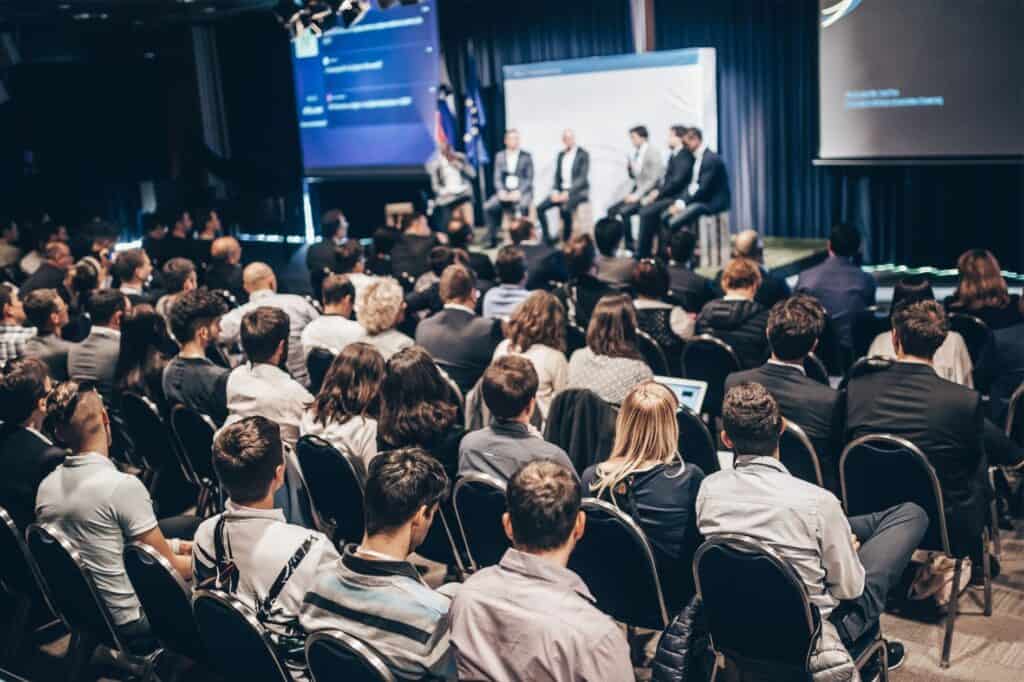
I often remind leaders that culture is not a poster on the wall or a set of values buried in a handbook. Culture shows up in everyday behaviour. It is how decisions are made when the pressure is on, how people respond to challenges, and how accountability appears when no one is watching. I see it in the small moments as much as the big ones, from how meetings are run to how emails are answered and whether commitments are genuinely honoured.
I have seen many organisations expect culture change to happen quickly. A new direction is announced at a town hall or leadership event, a keynote speaker energises the room, and there is an assumption that momentum will take care of the rest.
When results do not appear straight away, frustration sets in. Energy fades, attention shifts elsewhere, and teams quietly slip back into familiar habits. This pattern appears even in organisations led by capable and well-intentioned leaders.
What changes the trajectory is implementation discipline. I have watched clarity replace ambiguity when leaders introduce simple routines, consistent accountability, and achievable milestones. Values stop being abstract ideas and start influencing day-to-day decisions. Over time, behaviour shifts, collaboration strengthens, and outcomes improve. Culture moves from aspiration to execution.
The lesson I have learned is a simple one. Without disciplined follow through, even the strongest leadership ideas fail to land. Culture does not change because it is announced. It changes because leaders live it, reinforce it, and sustain it through consistent action.
Ideas are easy; they come freely, bright and exciting. Turning those ideas into results, however, is hard. That is why implementation discipline is essential, and why a great leadership keynote speaker can play a powerful role.
A skilled keynote speaker can inspire leaders to value focus, clarity, and persistence. They highlight the danger of chasing bright shiny objects or new ideas at the expense of what truly matters. They show why organisational success depends on doing the often unsexy, sometimes tedious work of being clear on outcomes and following through with consistency.
But inspiration alone is not enough. The actual implementation, the setting of priorities, defining success measures, creating ownership, and ensuring follow through, remains in the hands of leaders and their teams. A keynote speaker can spark understanding and motivation, but it is leaders who turn that spark into action.
When leaders practise implementation discipline, teams know what matters most. Priorities are clear. Expectations are understood. Measures of success are concrete. People have the confidence to act because boundaries and objectives are well defined.
In organisations without this discipline, strategy may sound impressive, but execution often feels messy. Different teams interpret priorities differently. Meetings generate ideas but little follow through. Leaders assume alignment, while employees experience confusion. Even motivated teams can lose momentum when effort does not translate into progress.
Implementation discipline changes that dynamic. It creates a shared rhythm for how work gets done. Regular check ins, clear ownership, and honest conversations about progress turn good intentions into consistent action. It removes unnecessary friction and replaces it with focus.
Importantly, discipline does not stifle creativity; it enables it. When people are clear on direction and expectations, they stop wasting energy on uncertainty. That freed up space is where innovation happens. Creativity thrives not in chaos, but in environments where people feel safe, supported, and aligned.
Vision sets direction, but discipline ensures movement. A keynote speaker can ignite inspiration, but it is leaders who carry the responsibility to turn ideas into reality.
Culture never changes independently of leadership. It is shaped, quietly and constantly, by what leaders do, what they tolerate, and what they consistently reinforce. Every decision, reaction, and trade off sends a signal. Teams pay close attention to those signals and adjust their behaviour accordingly.
When leaders are inconsistent, teams mirror that inconsistency. If accountability is strong one month and absent the next, people learn that standards are flexible. If values are spoken about but not upheld under pressure, they quickly lose credibility. Over time, these mixed signals create confusion and disengagement, even among capable and committed teams.
When leaders follow through, the opposite happens. Consistency builds trust. Clear expectations create confidence. Teams begin to operate with greater autonomy because they understand what good looks like and believe it will be applied fairly. Culture starts to shift not because it is being managed, but because it is being modelled.
I often remind leaders that culture is shaped less by what is said in presentations and more by what happens in everyday moments. How meetings are run. How difficult conversations are handled. How mistakes are treated. How decisions are made when priorities collide. These moments define the real culture far more than any formal initiative.
Culture is shaped less by what is said in presentations and more by what happens in everyday moments.
This is why leadership and culture are inseparable. Leaders are not separate from culture. They are the culture, especially in times of change. Whether intentionally or not, leadership behaviour becomes the reference point for the organisation. When leaders combine clarity with consistency, culture follows.
A widely cited example of disciplined culture change at scale comes from Microsoft’s cultural transformation under CEO Satya Nadella. When Nadella became CEO in 2014, the company was already one of the largest tech organisations in the world, but its internal culture was often described as competitive and siloed, and innovation was slowing. To revitalise performance and collaboration, the leadership pivoted from a “know‑it‑all” mindset to a “learn‑it‑all” culture one that prioritised curiosity, empathy, and continuous learning across teams.
Rather than relying on slogans or one‑off initiatives, Microsoft’s culture shift was structural. Leaders rewrote performance systems to reward collaboration instead of internal competition, removed barriers to cross‑team work, and embedded growth‑focused practices across performance reviews and leadership expectations. By shifting how decisions were made, how people were evaluated, and how feedback was delivered, behavioural change began to stick.
The results speak to the power of implementation discipline. Over the years following this shift, the company saw improved employee engagement, greater cross‑functional collaboration, and renewed innovation momentum contributing to sustained growth in areas such as cloud services and AI. Independent research summarising this shift describes five key levers that leaders applied to reshape culture, including aligning leadership behaviours with cultural expectations and embedding new ways of working into everyday routines.
Academic research and case analyses highlight that this transformation was not accidental but rooted in leadership behaviour and disciplined execution. A peer‑reviewed organisational change study analysing Microsoft’s cultural evolution underlines how leadership actions especially around mindset and collaboration were central to the company’s transformation strategy.
This example reinforces a vital leadership lesson: culture change is behavioural, not theoretical. It succeeds when leaders combine a clear vision with disciplined execution and embed new ways of working into how the organisation actually operates turning cultural ambition into measurable outcomes.
Disciplined execution doesn’t turn people into machines. It unlocks human potential and creates environments where teams can work with clarity, confidence, and purpose. When expectations are clear and trust is present, employees naturally step up, take initiative, and hold themselves accountable.
One of the most powerful aspects of implementation discipline is empathy. Leaders who balance structure with understanding create an environment where employees feel safe to share ideas, speak up, and make decisions without fear. Organisations that prioritise this kind of psychological safety consistently outperform their peers in engagement, innovation, and collaboration.
Discipline works as a support system, not a set of rigid rules. Clear routines, feedback loops, and consistent accountability reduce uncertainty, giving teams the space to focus on problem-solving and creativity. It is the bridge between vision and action, helping leaders turn organisational aspirations into real, sustainable behaviours while respecting human nature.
Skepticism often fades when employees experience how structure actually removes confusion rather than limits autonomy. Teams become more proactive, engaged, and confident in their ability to drive change. Implementation discipline is one of the most effective tools for shaping culture a defining capability of some of the world’s most successful organisations.
When applied thoughtfully, this human-centred approach ensures that discipline doesn’t feel restrictive. Instead, it creates a framework where people perform consistently, feel valued, and know their contribution truly matters.

Sustainable change is not a one‑off initiative. It takes consistent effort, repeated attention, and leaders who are willing to show up every day. Leaders must model behaviours consistently, reinforce expectations through practical systems, and measure progress openly. Without these steps, even the most inspiring initiatives risk fading once the excitement of an event or workshop passes.
Many leaders wonder how to make culture change real in their organisations. The answer lies in combining vision with disciplined execution. Implementation discipline is the tool that ensures change survives beyond the keynote, the strategy session, or the one‑day leadership training. It becomes part of the everyday practice, not just a line in a presentation or a slide deck for your team.
This approach is relevant for leaders at every level. Whether you are shaping a team, guiding organisational strategy, or thinking about the future of leadership in a rapidly changing world, the principles of implementation discipline matter.
Linking purpose with action turns ideas into consistent behaviours that employees notice, understand, and adopt. For leaders looking to embed lasting change, clarity, consistency, and accountability are essential they are what make culture real, visible, and sustainable.
Leadership keynote speakers can make a difference in showing how to bring these principles to life. Keynote speakers provide inspiration, but the real work begins when leaders translate that inspiration into structured routines, feedback mechanisms, and measurable outcomes.
For your organisation, having someone explain how to integrate culture change into daily operations can bridge the gap between aspiration and action.
Organisations that embrace implementation discipline are the ones that thrive. They are often cited as some of the most successful companies in the world because they understand that culture change is behavioural, measurable, and repeatable. They combine leadership and structure in ways that empower teams, reduce ambiguity, and sustain momentum over time.
Even best selling authors and business thinkers highlight that the difference between culture that changes and culture that stays the same is discipline in execution. How to embed new behaviours, how to measure progress, and how to hold leaders accountable are not abstract idea they are practical steps that every leader can apply. Implementation discipline ensures that employees see change in action every day, not just in presentations or training slides.
At the end of the day, embedding change into an organisation is about creating a living, breathing culture where new behaviours are recognised, reinforced, and repeated. Leaders who understand how to combine vision with practical systems, who work with teams rather than impose on them, and who continually measure and adapt, create organisations that are ready for the new generation.
It is the bridge between strategy and results, and one of the most powerful tools in the toolkit of the world’s top leadership experts.
Many organisations assume that communication alone drives change. Sending emails, sharing slides, or hosting town halls does not automatically shift behaviour. Others worry that implementing discipline will stifle creativity. Some expect resistance from employees no matter the approach. These assumptions often lead leaders to hesitate or take half measures, leaving culture transformation incomplete.
Consistent leadership and supportive systems are the real game changers. When expectations are clear, routines are structured, and follow-through is visible, resistance decreases. Teams begin to engage because they know what is expected and see leadership modelling the behaviours they want to see. This creates momentum that grows organically rather than relying solely on motivation or inspiration.
If you want to see culture change take root, it is essential to connect inspiration with execution. Organisations looking for a leadership keynote speaker often choose someone who combines both, rather than a motivational speaker who energises the audience but does not show how to implement change. A keynote speaker for your event can provide practical frameworks, actionable leadership lessons, and insights that your team can apply immediately.
Thought leaders and business thinkers emphasise the importance of linking vision to action. They argue that culture is embedded not through rhetoric but through repeated behaviours, clear accountability, and the daily reinforcement of expectations. Leaders who embrace this approach equip their teams to take ownership of change, creating a shared responsibility across the organisation.
Global events run by associations or companies show that individuals respond best when key messages from a keynote are paired with structured follow-up and real-world applications. The audience leaves not only inspired but ready to take practical steps to embed culture change.
A leadership speaker becomes more than just a presenter. He should share research and experience in guiding organisations through behavioural transformation. He provides insights, demonstrates frameworks and equips leaders to take real action.
In short, misconceptions about culture change often stem from expecting magic rather than discipline. When organisations combine vision with consistent leadership, practical systems, and the right support for their teams, culture change is no longer aspirational it becomes achievable and sustainable.
I have seen time and again that culture is not shaped by slogans or inspiring words alone. It is shaped by leaders who act consistently and by systems that make follow through inevitable. Implementation discipline is, in my experience, the true power behind sustainable leadership, bridging the gap between intention and results. Organisations that prioritise it see measurable impact, from engagement and performance to innovation and resilience.
When organisations are looking for a leadership keynote speaker for their event, I often advise seeking someone who can combine insight with practical application. A speaker who goes beyond motivation and demonstrates how to turn leadership development into real action provides real value. Keynote speeches delivered in this way equip leaders and teams with frameworks, actionable steps, and leadership lessons they can apply immediately, creating momentum that lasts long after the event.
I have studied how business thinkers and research in leadership development emphasise that culture change is behavioural, not theoretical.
Leaders who embed clarity, accountability, and consistent execution across the organisation empower their teams to act with confidence. A capable leadership speaker provides guidance with the systems, routines, and examples that make transformation achievable.
From my experience as a keynote speaker, organisations that follow through achieve more than compliance they create a culture where people are engaged, trusted, and motivated to contribute every day.
When leadership is paired with disciplined execution, I have observed that organisations do more than simply adapt. They grow strategically, engage their teams meaningfully, and build a future grounded in trust, clarity, and action.
The best leadership speakers show not just what to do, but how to take action from the top of the organisation down to every team. This is the essence of lasting change and the reason why leadership development initiatives succeed when aligned with practical discipline.
I believe this is the power of leadership done right: transforming vision into action, inspiring teams, and embedding change into the very DNA of the organisation. Organisations that adopt this approach are recognised as some of the most successful around the world, proving that consistent leadership, paired with disciplined execution, is the defining factor between aspiration and achievement.
Let’s connect, and talk about how we can make leadership and culture a real part of your organisation, so it becomes a natural way of working and leading every day.
Read More: Leadership speakers who move audiences from inspiration to execution
When it comes to business events, be it a conference, an annual company gathering, or a leadership summit, there is one element that can completely make or break the experience: the keynote speaker. Trust me, I’ve seen it in action. Pick the right speaker and suddenly your audience is buzzing, ideas are flowing, and people are talking about your event for weeks. Pick the wrong one… and, well, let us just say you might hear crickets instead.
A business keynote delivered at corporate events plays a pivotal role in inspiring, motivating, and driving organisational growth. The right speaker can elevate the impact of your event by sharing expertise and insights that resonate with your audience and align with your event’s objectives.
Now, before we go any further, I want to clear up a common confusion: a keynote speaker is not the same as a motivational speaker. A motivational speaker usually focuses on inspiring and energising the audience with personal stories and emotional takeaways.
A keynote speaker, on the other hand, has a broader role they set the tone for the event, reinforce the event's theme, and often provide thought leadership or industry insights. They could be motivational, but that is not the aim.
Keynote speeches are designed to align with the event’s theme and deliver actionable strategies that attendees can implement in their own organisations. Sure, some speakers can do both, but it is important not to mix the two up when planning your event.
I’ve been on both sides of this, and I want to share everything I’ve learned about keynote speakers, so you do not have to learn it the hard way. Let us dive in.
“Do I really need a keynote speaker? Can I not just run the event with a few internal presenters?” Sure, you could.
But here is the thing, keynote speakers are not just another name on your programme. They are your event’s opener, a major highlight, and often the reason people remember the day.
Selecting the perfect keynote speaker is crucial to ensuring your event’s success and leaving a lasting impression on your attendees.
Think of it like this: a keynote speaker sets the direction and tone for the entire event. They energise the room, frame the conversation, and give the event focus.
Let me remind you again, a keynote speaker is not a motivational speaker. While motivational speakers focus on inspiring and energising the audience with personal stories, a keynote speaker in a business event delivers insights that are relevant, connects the content to your event’s objectives, and sparks ideas or action that continue long after the event ends.
Keynote speakers for business events often address themes of leadership, innovation, and personal development in corporate contexts. They also emphasise resilience and adaptability, which are essential qualities in today’s fast-changing business environment.
Frequently, keynote speakers share actionable strategies that can transform corporate cultures and drive innovation, making their presentations highly valuable for organisations seeking growth and change.
When a keynote is well chosen, the audience is engaged, discussions flow naturally, and the energy lasts throughout the programme. The ability to connect complex business concepts to human experience through storytelling is what makes keynote speeches truly impactful. When it is misaligned, even the most polished event can feel flat.
So yes, a keynote speaker is worth the effort and often the investment.

Here is where a lot of organisers stumble. It is easy to be drawn to a speaker because of their big name, flashy reputation, or simply because you like them personally.
But here’s the truth: what really matters is whether their message will land with the people in the room. Fame alone will not make a keynote successful.
Start by thinking carefully about your audience:
Choosing speakers who resonate with your audience’s unique challenges ensures the message is relevant and impactful, making your event more memorable and effective.
The key is to approach your audience like you would a client or a close colleague understand their needs, priorities, and what will make them sit up and pay attention. A speaker who is aligned with these factors will naturally connect, spark conversations, and leave a lasting impression.
In short, relevance beats reputation every time. The better you know your audience, the better your keynote will work and the more impact your event will have.
Bringing in a corporate keynote speaker for your next event isn’t just about filling a slot on the agenda it’s about creating a truly unforgettable experience that resonates with your audience long after the day is over.
The best corporate keynote speakers are more than just presenters; they’re thought leaders with good experience, able to translate complex business challenges into practical strategies and actionable takeaways.
One of the most immediate benefits is the way a top keynote speaker can inspire and motivate your audience.
Through compelling stories and valuable insights, they help attendees see the business world from a new angle, building resilience and confidence to tackle practical problems. Whether your team is facing change, seeking innovation, or striving for continuous improvement, the right keynote speaker can spark the mindset shift needed for lasting impact.
Corporate keynote speakers also bring a wealth of practical strategies to the table. Drawing from their own journeys, often as successful entrepreneurs, bestselling authors, or research professors they offer actionable insights that your audience can apply directly to their work and personal lives.
This isn’t just theory; it’s advice grounded in experience, designed to help businesses seeking real results in a competitive market.
Leadership development is another area where the best keynote speakers shine. Sharing their unique perspective on leadership, team dynamics, and communication, they provide attendees with the tools to lead more effectively and foster a stronger corporate culture.
Their keynote addresses often include clear takeaways on how to communicate effectively, build trust, and drive team success skills that are essential for any organisation aiming for growth and innovation.
A sought-after speaker can also transform the energy of your event, boosting engagement and attendance. When people know a top speaker is on the agenda, they’re more likely to show up, participate, and get involved in discussions. This heightened engagement leads to a more dynamic event, where ideas flow, and connections are made.
Perhaps most importantly, corporate keynote speakers offer a fresh, outside perspective. They challenge conventional wisdom, introduce breakthrough ideas, and encourage your team to step outside their comfort zones.
This injection of new thinking is often the catalyst for business transformation, helping your organisation stay ahead of the curve and continuously improve.
In short, hiring the right keynote speaker is an investment in your event’s success. They inspire, educate, and energise your audience, provide practical tools for leadership and innovation, and leave a lasting impression that supports your business goals.
If you want your next corporate event to stand out and truly make a difference, choosing a corporate keynote speaker with deep understanding and practical experience is the way to go.
Not all keynote speakers are cut from the same cloth, and picking the right type is crucial. Here is a quick rundown of the kinds I’ve seen work and fail in corporate settings:
These are people who live and breathe your field. They know the trends, the challenges, and the opportunities inside out. Many are research professors or bestselling authors, and often have a diverse range of experience across your industry. Perfect if your audience craves practical insights.
These bestselling authors and industry leaders bring both depth and breadth to their keynote topics, making them highly sought-after keynote speakers for business events.
These are the storytellers, the energisers, the people who make a room sit up and pay attention. They inspire action and make people feel possibilities.
Motivational keynotes often focus on well-being, resilience, and fostering a culture of empathy and connection within organisations, helping teams thrive both personally and professionally.
These speakers challenge conventional thinking. Many are recognised as influential people in their fields, often featured in lists like TIME 100, and are frequently invited to speak at leadership summits.
They make people see things differently and think bigger. Thought leaders often address marketing strategies, innovation, and creativity, providing actionable insights for business growth and global engagement.
Ideal for audiences looking to innovate.
Sometimes it is about star power. Celebrities or well-known influencers can draw attention and boost attendance.
Some, like Marc Randolph, co-founder of Netflix, bring entrepreneurial insights and have influenced industries for over three decades by emphasising the importance of testing ideas and learning from failures in entrepreneurship.
If you ask me about my preference as a keynote speaker, I would choose a mix of styles someone who is insightful, inspiring, and a master at storytelling.
Business speakers and corporate event speakers who blend storytelling with practical insights are highly effective at engaging audiences and aligning with central event themes.
For me, the best storytelling mixes personal experiences with themes like resilience and leadership, making the talk both memorable and relatable. Speakers who have faced real challenges and learned to adapt show audiences what perseverance looks like in action.
Those with high emotional intelligence can read the room, adjust their tone and make sure their message lands with everyone.
That ability to connect and engage different groups really matters, because successful teams need innovation, persistence, and a willingness to keep improving to stay ahead.
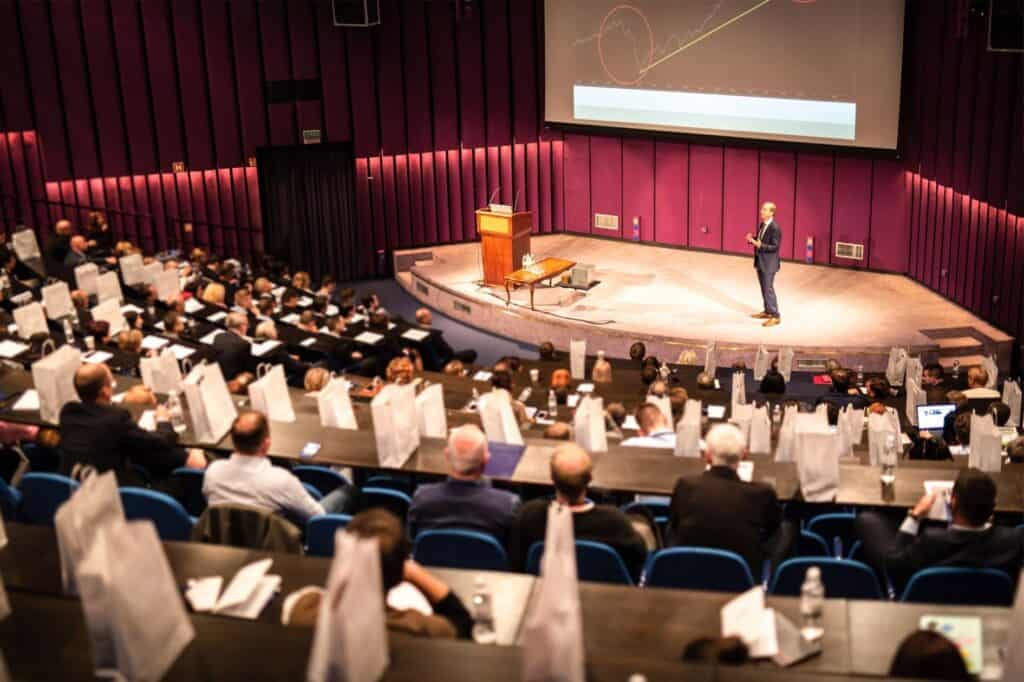
Even with careful planning, corporate events can stumble if a few key areas are overlooked. One common trap is getting distracted by a speaker’s reputation rather than how well they connect with your audience. A familiar name does not automatically guarantee engagement, so focus on relevance and alignment with your event’s goals.
Researching potential speakers, including their past speeches and audience feedback, is important for alignment with event goals. Speakers might look impressive on their collaterals, but actually don't perform as well on stage.
Content can also be a stumbling block. Overloading a keynote with too much information can leave attendees confused or fatigued.
Sticking to a few clear, memorable messages ensures the talk hits home. Engagement matters just as much. Audiences respond to interaction, questions, polls, or exercises, and without this, even a strong presentation can feel flat.
Booking a speaker early, ideally 6 to 12 months in advance, is advisable to secure your preferred choice. You need to ensure the speaker arrives on the day to avoid last-minute travel holdups at airports.
Consider if your event is delivered entirely onsite or virtually as well? Dynamic delivery and the ability to engage both in-person and digital audiences are crucial for modern keynote speakers.
Finally, consider the after-effects. A keynote should leave a lasting impression, so sharing recordings, takeaways, or discussion prompts helps reinforce the message and keeps ideas alive long after the event ends. Paying attention to these areas increases the impact of your keynote and sets your event apart from the rest.
Here is the truth: a keynote speaker can make or break your event, but only when the choice is made carefully, planning is thorough, and the entire experience is considered from start to finish.
Knowing your audience inside out is crucial. Working with a speaker who truly connects with their needs and expectations ensures the message lands and sparks engagement.
Providing the speaker with context, including event goals and audience insights, allows them to tailor their talk and deliver real value that resonates long after the session ends.
Following up after the session helps keep the conversation alive, reinforces key takeaways, and allows ideas to continue influencing your organisation long after the event ends.
A keynote does more than fill a slot on the agenda. It sets the tone, energises participants, and creates moments that people remember and discuss long after they leave the room. The impact can be seen in lively discussions, new connections formed, and fresh ideas being put into practice.
Successful keynotes also contribute to wider organisational goals, whether that is fostering a culture of learning, inspiring innovation, or strengthening team alignment.
When executed well, a keynote can transform an ordinary event into an unforgettable experience, leaving attendees inspired, motivated, and thinking differently about their work.
That lasting effect is the ultimate measure of success, and the reason why investing in the right speaker and careful planning is always worth it.
If you are looking for a keynote speaker who blends insight, inspiration, and storytelling to create real impact, let’s do it! We can connect, Let's explore how I can add value to you and together we can make your next corporate event not just memorable, but truly transformative.
Read More: Keynote speakers in business that inspire employees and drive company results
Agile organisations thrive not because change doesn’t happen, but because their leaders are prepared for it. My experience working with organisations across Singapore And Asia from start‑ups to multinational corporations and government agencies has shown that without structured change management skills at the leadership level, even well‑conceived strategies can falter. Enrolling in a change management course can enhance leaders' career prospects by equipping them with essential skills for leadership roles.
Leaders often excel in strategy, decision‑making and technical skills, yet struggle with what I’d call the human equation of change. Employees feel uncertain about what’s expected, worried about how change will affect their roles, anxious about learning new systems, and hesitant to let go of familiar routines. These emotional and psychological barriers create resistance that can derail transformation if not addressed intentionally. The importance of organizational change management training for effective leaders lies in developing skills such as creating a compelling vision, effective communication, and sound decision-making to successfully guide teams through change.
“Strategy alone isn’t enough people must feel guided, understood, and confident in the journey ahead.”
-Kenneth Kwan
Structured change management training fills this crucial gap. It equips leaders with the mindset, tools and confidence to help their teams navigate transitions with clarity, empathy and resilience.
The importance of structured change management training is evident for organisational success, as it enables leaders to support transitions and achieve measurable results.
Organisations in Singapore a hub of strategic innovation and workforce diversity have already begun to reap these benefits through focused leadership development, and the data backs it up.

Change isn’t an event; it’s a continuous journey. Technological disruption, evolving customer expectations, internal restructuring and global competitive pressures mean that organisations are in a constant state of flux. For professionals in leadership roles, this reality has fundamentally reshaped expectations. Leaders are no longer asked simply to manage change, but to lead it with intention and credibility.
Today’s leaders must drive organisational change without creating fear, uncertainty or disengagement. Successfully managing change requires more than executional skill; it demands effective change management strategies that acknowledge human responses and guide people through transition with clarity and confidence.
Fear is real and it’s human. Across numerous initiatives I’ve observed and supported, fear has surfaced in familiar but often overlooked ways:
This is why key leadership training programmes increasingly include dedicated change management modules. These programmes are designed to equip leaders with the specific skills needed to navigate uncertainty, respond to emotional resistance, and lead their organisations through sustained transformation.
Structured change management training provides leaders with valuable insights into why people resist change, what motivates behaviour, and how to create psychological safety. When leaders understand the specific needs of their teams and focus on providing opportunities for dialogue, capability building and reassurance, resistance begins to soften.
“When employees feel seen and supported, resistance diminishes and engagement soars.”
-Kenneth Kwan
Research consistently supports this. Employees who feel heard and supported during periods of change are more likely to champion new initiatives, contribute ideas and adapt effectively. Within any organisation, effective change management strengthens trust, improves adoption and sustains momentum, particularly when leaders apply change principles with empathy and consistency.
Ultimately, leading change isn’t just about rolling out new systems or processes. It’s about guiding people through uncertainty, helping them make sense of what’s changing and why, and enabling them to move forward with confidence. Without this human-centred approach, even the most technically sound projects risk losing traction before their full value is realised.
An effective programme builds capability across four major areas. Change management training for leaders focuses on developing practical skills that enable participants to confidently lead change initiatives and guide teams through organisational transitions. Hands-on exercises, simulations and coaching sessions are essential components, allowing leaders to apply learned concepts directly to practical scenarios and active change initiatives.
Leaders learn to articulate not only what is changing, but why it matters. This clarity creates alignment across teams, reduces uncertainty and strengthens connection to the wider business strategy. When change initiatives are clearly linked to organisational goals, employees understand how their efforts contribute to long-term success rather than viewing change as a series of disconnected activities.
Strategic messaging that highlights purpose and impact helps people feel involved in something meaningful, rather than subjected to unexplained directives. Many programmes introduce recognised frameworks such as Kotter’s 8 Step Model, the DEEP Model or Bridges’ Transition Model, while also strengthening emotional intelligence and decision-making through scenario-based simulations.
Understanding human reactions to change is just as important as understanding models and frameworks. Leaders develop self-awareness and learn to recognise their own responses to uncertainty, which improves their ability to support others effectively. Training helps leaders distinguish whether resistance stems from fear, confusion or lack of clarity, and respond with empathy, reassurance and practical support.
As I often say: “People don’t resist change; they resist loss.”
This capability is an essential component of leading teams through complex organisational transitions, particularly when roles, systems or ways of working are evolving.
Effective communication is not a one-off announcement but an ongoing dialogue. Training equips leaders with practical tools to facilitate two-way conversations, surface hidden concerns and communicate in ways that build trust rather than anxiety.
Simple but powerful techniques such as regular check-ins, storytelling and transparent question and answer sessions help employees feel informed and involved. When communication is handled well, teams engage more deeply, collaborate more willingly and contribute valuable insights that strengthen the change initiative.
Most programmes emphasise application, not theory alone. Leaders work with structured frameworks and practical exercises that mirror real organisational challenges. They leave with ready-to-use plans, stakeholder engagement maps, readiness assessments and metrics to track progress and adoption across the organisation.
Many programmes also draw on established approaches such as Kotter’s 8 Step Model, DEEP Model or Bridges’ Transition Model to support leaders in aligning change initiatives with business strategy and sustaining momentum over time.
I often guide leaders using these 4 areas of considerations:
“When I see leaders apply this model, fear turns into engagement, confusion becomes clarity, and resistance transforms into collaboration.”
This framework bridges strategy and human behaviour, ensuring leaders aren’t just educated, but transformed. Strategic decision-making plays a crucial role in managing processes and change initiative.
One tangible example of structured change leadership in action comes from the Public Utilities Board, Singapore’s national water agency. This organisation has undergone significant transformation over the past decade as it scaled operations to meet growing demand, climate pressures and rising public expectations. PUB needed not only to enhance technological systems, including advances in data science and operational analytics, but also to shift organisational mindset and collaboration models across teams.
Implementing organisational change at this scale presented complex challenges. New systems and processes affected multiple functions, including human resources, project management and frontline operations. Teams were required to adapt to new ways of working, updated performance management approaches and increased cross functional collaboration, and organizational transitions all while maintaining service reliability.
PUB’s transformation included major expansions in desalination capacity, NEWater production, term water sustainability strategies and large scale public engagement initiatives. Senior leaders recognised early that these changes could not succeed through technical expertise alone. Strong leadership capability was needed to guide people through uncertainty, align stakeholders and embed new behaviours across the organisation.
Structured change management approaches were therefore integrated into leadership development programmes. Leaders were coached on how to:
These capabilities strengthened leaders’ ability to balance technical delivery with people centred leadership, particularly in complex project management environments.
The outcomes were measurable. Internal assessments showed improvements in employee engagement, smoother adoption of new operational processes and fewer delays during implementation when compared with earlier initiatives that lacked a structured focus on change leadership. While detailed metrics remain proprietary, PUB’s sustained performance, operational resilience and strong public trust reflect the long term impact of this leadership capability uplift. Its transformation journey is now widely recognised as a benchmark for effective organisational change in the public sector.
This success highlights a broader insight. Strengthening change leadership capability is not about short term compliance with new systems or policies. It is about building long term organisational resilience, enabling leaders to manage complexity, and embedding a culture of continuous improvement that supports future transformation.
Employees often interpret change through the lens of personal impact, particularly during organisational transitions. Even well intended initiatives can trigger fear when the human side of change is not addressed. This makes it essential for leaders within organisations to manage change thoughtfully and consistently, especially when implementing change that affects roles, systems or expectations.
Common reactions include:
Change management training helps leaders move beyond issuing directives towards fostering shared understanding. Through practical application and real workplace scenarios, leaders learn how to engage people early, effectively manage change, explain the purpose behind organizational strategy change initiatives and create space for questions and feedback.
When employees feel informed and included, resistance decreases. Teams begin to contribute ideas, adapt more readily and support implementing change because they understand how their roles connect to the bigger picture.
Leaders trained in change management are better equipped to:
People managers play an essential role in this process. They translate strategy into everyday actions, reinforce key messages, take on real world change initiatives, support teams through uncertainty and coach individuals as they adjust to new ways of working. Their ability to apply change principles in practice often determines whether strategic change initiatives gain momentum or stall.
When these elements come together, organisations create an environment where employees feel supported rather than anxious. As a result, change is adopted more quickly, engagement improves and the organisation moves forward with greater confidence and speed.
Having guided numerous organisational transformations, I’ve seen the real difference that change leadership skills make.
Employees didn’t fear the technology, they feared the unknowns around role clarity, expectations and performance evaluation once the new systems went live. Leadership hadn’t addressed these anxieties early or consistently.
Through targeted change management interventions team dialogues, clear frameworks, and early feedback resistance softened, adoption improved, and productivity rebounded. The leadership team applied change strategies directly to change initiatives, ensuring that the concepts from change management training translated into effective action within the organisation.
“Strategy minus human engagement equals stalled progress. Change management isn’t an add-on; it’s core to transformation success.”
-Kenneth Kwan
This experience reinforced my conviction: leaders who master the human side of change create resilience, engagement and long-term success.
The reinforced lesson: strategy minus human engagement equals stalled progress. Change management isn’t an add‑on it’s the core of sustained transformation success.
True change leadership transforms organisations and the people within them, not just processes or projects.
A great change management programme aligns every initiative with the organisation’s vision and long-term goals while equipping leaders to navigate the human side of change, recognising emotional responses, resistance patterns, and the fears that can derail progress.
In addition to leadership skills, strong general management capabilities are essential for leaders to effectively drive change in a comprehensive programme.
Leaders gain practical tools and frameworks that turn strategy into actionable steps, alongside structured communication approaches that engage stakeholders continuously, building clarity, connection, and trust across all levels.
Role-based training of key critical roles is essential for successful change outcomes, ensuring that each leader and team member understands their unique responsibilities in the change process.
Most importantly, these programmes foster sustained leadership transformation, giving leaders the mindset, confidence, and behaviours to inspire teams, influence outcomes, and embed lasting organisational growth.
The focus extends far beyond metrics, concentrating instead on cultivating enduring capability, shaping culture, and maximising the human impact of change.
Ongoing support is the essential bridge between a successful change management training program and results. While comprehensive training programs provide leaders and change agents with the necessary knowledge and skills, it’s the support that ensures these capabilities are embedded and sustained throughout the organisation.
This support can take many forms coaching sessions, mentoring relationships, regular check-ins with senior managers, and peer learning groups.
These touchpoints allow business leaders to reinforce effective communication strategies, address emerging challenges, and celebrate progress in change initiatives.
By maintaining open lines of communication, organisations can keep everyone aligned and motivated, ensuring that change management efforts remain on track.
Tailoring existing support to the unique needs of your organisation is key. For some, this might mean monthly workshops or facilitated group discussions; for others, it could involve digital platforms for sharing updates and best practices.
The goal is to create a culture where continuous learning and adaptation are valued, and where leaders and teams feel empowered to manage change proactively.
Ultimately, support transforms change management from a one-time event into a continuous journey.
It helps organisations achieve their desired outcomes by ensuring that new skills are applied in practical scenarios, and that leaders remain confident and capable as they guide their teams through each phase of the change process.
Organisational change doesn’t have to be feared. Fear arises when people feel uninformed, unsupported and unprepared. Leadership teams equipped with change management skills can turn fear into engagement, confusion into clarity, resistance into collaboration and uncertainty into opportunity.
Singapore’s example particularly through organisations such as PUB, sector‑wide training initiatives, and executive programmes available through institutions like NUS shows that when leaders are prepared, transformation becomes a source of organisational strength, not disruption.
Leaders who understand both the mechanics and the psychology of change are the leaders who make strategy real, sustainable and people‑centred.
Change management is no longer a “nice to have”. For leaders committed to guiding teams through transformation, developing the right skills, mindset and practical techniques is essential and expert guidance can accelerate this journey.
Change doesn’t have to be daunting or hold a valueable insights. It becomes manageable when leaders are equipped with the right skills, mindset, and tools. If you’re ready to strengthen your leadership capability, build resilient teams, and guide organisational transformation successfully, now is the time to take action.
Connect with Kenneth Kwan to explore how structured change management programmes can help you:
Whether you’re leading a department, an entire organisation, or a cross-functional project, expert guidance can make the difference between stalled initiatives and sustainable success.
Take the first step today reach out to Kenneth Kwan and start transforming how your organisation navigates change.
Read More: Seven Phases of Change Management: From Planning Through Effective Execution