
There’s a phrase that crops up in boardrooms, strategy decks, and HR newsletters with almost ritualistic frequency: “We need a high-performance culture.”
But what does that actually mean beyond the buzzwords? How do organisations create cultures where employees don’t just fulfil their job descriptions, but thrive, innovate and consistently deliver their best work? And not just during performance reviews, but in the day-to-day reality of work?
In my experience, the answer is often less complex than leaders expect. It comes down to the quality and consistency of performance conversations between managers and their team members. Whether it takes place during a performance review or as part of regular check-ins, these conversations shape expectations, trust, and outcomes far more than most organisations realise.
In this post, I share with you how to have better performance conversations. The ones that are regular, constructive, and genuinely two-way, which can become the foundation of a high-performance culture.
We’ll look at what the research says, how managers can move beyond generic performance-review phrases, and why rethinking your performance-review process is critical if you want performance reviews to drive growth rather than compliance.
More importantly, we’ll examine how leaders and people managers can turn performance discussions into meaningful dialogues that support progress, clarity, and sustained performance in the organisation.

A high-performance culture isn’t just about competitive pay or slick open-plan offices. It’s about an environment where people feel empowered, aligned with business goals, clear about expectations, and confident in speaking openly especially during a performance review discussion.
In organisations that perform well, leaders understand that a performance conversation is not a one-off event but an ongoing dialogue about their performance, growth and contribution to the team.
Research consistently shows that such cultures are defined by open communication, psychological safety, clear expectations, and continuous learning all of which are reinforced through an effective performance review process.
In plain terms, a high-performance culture is where people want to show up, feel supported while they’re there, and leave knowing they have made meaningful progress in their performance every single day.
It’s where managers need to be clear about expectations, where the team can talk honestly about challenges and achievements, and where everyone understands how to connect individual effort to collective success. When organisations get this right, performance conversations stop feeling transactional and instead become a shared commitment to improvement, accountability and sustained results.
Performance discussions, whether informal check-ins or structured reviews, are one of the most direct ways leaders shape culture. They signal what matters, what is expected, and how success is measured.
People don’t perform at their best when they are afraid of being judged or penalised for speaking up. A high-performance culture needs to be grounded in psychological safety a climate where employees feel comfortable sharing ideas, admitting mistakes and giving honest feedback about their performance. Performance review conversations provide a practical opportunity to build that safety.
These are not just touchy-feely ideals. They matter because employees who feel heard and valued are more engaged, motivated, and resilient core ingredients of your ability to improve a performance outcome. When feedback is interactive rather than top-down, team members feel respected and connected to the organisation and the team's wider goals.
Traditionally, performance review discussions happen once a year, and plenty of organisations still cling to this cadence. But research tells us that the frequency of your performance review actually affects its impact in a significant way.
Employees who have more regular conversations about performance beyond the yearly check-in and outside your performance review are more likely to stay aligned and focused.
Employees who experience ongoing dialogue rather than relying solely on the performance review (Quantum Workplace, 2024) are:
When feedback is more frequent, performance conversations stop being dreaded events and become part of the ongoing rhythm of work, ensuring performance reviews are not the only moment that matters.
It is not just about how engaged employees feel. Organisations that build strong performance feedback cultures, where conversations are regular, meaningful, and focused on development, tend to perform better financially. Research shows that companies with effective performance feedback practices report significantly higher net profit margins, return on assets, and return on equity compared with organisations where feedback is infrequent or poorly handled.
In other words, how leaders talk about performance, how expectations are made clear, and how employees are supported to improve their standards are closely linked to results on the bottom line.
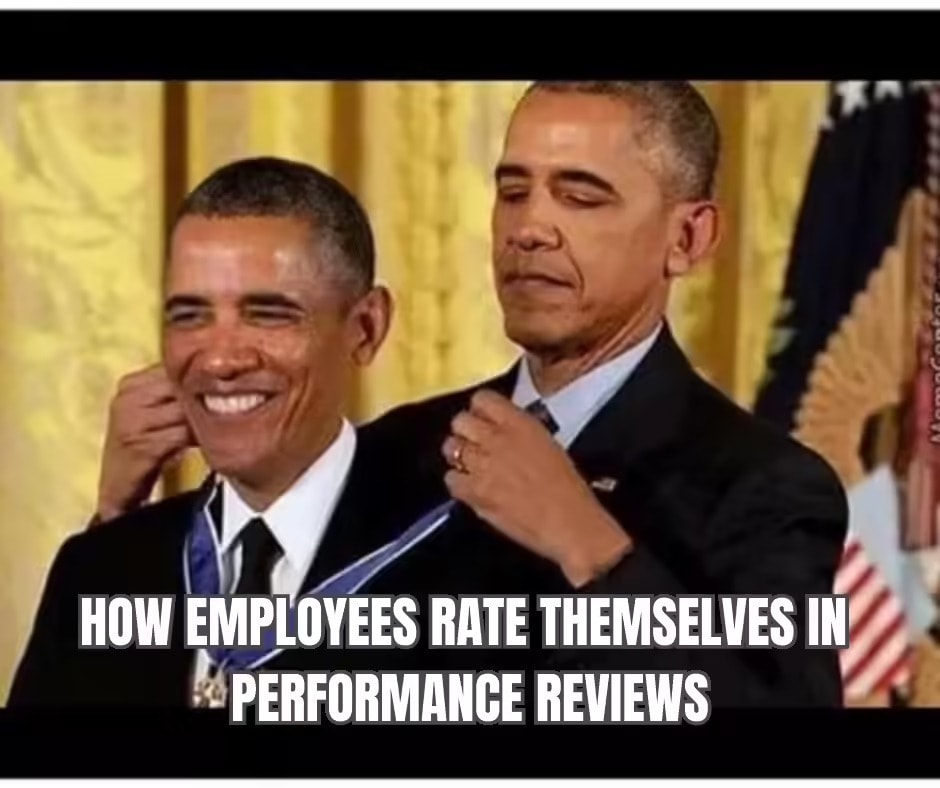
Before we talk about what good looks like, it’s worth acknowledging what bad looks like because many organisations still get this wrong in a very familiar way:
In the old model, the performance review was an annual event: brief, focused on the past, and often tied to pay decisions. Feedback was delivered to the employee, not with them, which made it difficult for a genuine conversation to be established. That tends to feel judgmental, anxiety-inducing, and disconnected from the day-to-day work of the organisation.
Today’s workforce expects something different. Employees want feedback that helps them stay on the same page, understand their performance, and feel supported to improve. They want feedback that is timely, actionable, and framed as development rather than judgment.
Too often, performance discussions are dominated by the manager’s voice. Employees are told what they did well or poorly, with little space to share their own perspectives on their work or performance challenges. When this happens, employees’ views on their own contributions are often dismissed or overlooked, reinforcing hierarchy and reducing the conversation to a one-way judgment rather than a meaningful exchange.
This not only limits learning but also causes organisations to miss valuable insights into employees’ experiences, ambitions, and the real obstacles they face in doing their best work. When managers fail to act as a coach, performance conversations lose their developmental value and become transactional rather than meaningful.
If performance discussions aren’t linked to larger objectives or don’t clarify how results matter to the organisation and the team, they can feel arbitrary. Employees want to know not only what they’re being evaluated on in a performance review, but why it matters and how it connects to the future of the organisation and how they can progress.
Without that context, even well-intended performance conversations struggle to improve engagement or capability.
Great performance discussions aren’t one-off lectures; they’re ongoing dialogues built on coaching, clarity, and mutual respect between managers and employees. Below are the key ingredients you need to pay attention to if you want to strengthen the quality of the conversation:
Shifting conversations from yearly reviews to regular check-ins (monthly or quarterly) improves engagement and fairness perceptions in the organisation. These performance discussions should be treated as part of the normal rhythm of work, not something reserved for the annual review.
These regular conversations should focus less on what happened last year and more on what opportunities will help them grow next. These are what we call "forward-looking feedback" and "areas for improvement". When you pivot performance discussions toward future growth, managers help employees build ability and confidence, and employees feel supported instead of scrutinised.
It's important to involve employees in the performance conversation with the intent to listen, not just assess. Ask them questions that invite reflection on strengths and areas for improvement, such as:
When employees have a voice, ownership and motivation rise. When employees have a voice, ownership and motivation rise. Gartner research notes that explaining your rating and involving employees in understanding how decisions are made during the review can improve the usefulness of performance discussions. This shared responsibility fosters trust and signals respect powerful cultural currency for managers and employees alike.
Too much performance feedback today still comes solely from the direct manager. But studies show that including team-based feedback especially from those who work closely with the employee can increase both the utility of performance discussions and actual performance outcomes on the team.
This doesn’t mean replacing manager feedback; it means broadening perspectives and enriching the conversation with the right context, reducing blind spots caused by a lack of visibility in the day-to-day work environment.
Research from Cornell University suggests that positive feedback has a more consistent and lasting impact on performance than negative feedback alone. When performance conversations are balanced and constructive, they build alignment, confidence, and momentum, keeping the focus on growth rather than defensiveness.
High-performance cultures don’t talk about performance in a vacuum. They connect individual contributions to the wider organisational goals and the priorities of the team. When people see why their work matters, their engagement and commitment increase on the job.
This isn’t just happy talk. It’s strategic. Aligning goals gives people clarity, motivation and direction, and helps ensure performance discussions are meaningful rather than transactional.
In my work with leaders, one consistent pattern stands out: high-performance cultures are built by managers who coach, not just assess. Effective performance conversations require asking thoughtful questions, listening actively, and working with employees to solve problems, rather than simply issuing instructions. This coaching approach is essential for building long-term capability, not just short-term compliance.
When leaders take the time to develop their coaching capability, the impact shows up not just in performance, but in trust and engagement. Without this capability, performance discussions risk becoming formulaic and ineffective, particularly in complex and fast-changing roles.
One of the most common misconceptions I see is that culture is built through grand initiatives. In reality, it is shaped through everyday leadership behaviours. Performance discussions are among the most visible ways leaders signal what the organisation truly values, how success is defined, and what is prioritised.
When expectations are clear and feedback is regular, accountability becomes a shared understanding rather than a top-down enforcement mechanism. Performance conversations help people understand what good performance looks like and how they will be supported in achieving it, strengthening alignment and trust beyond the formal review process.
Over time, consistent and well-framed discussions also build psychological safety. When feedback is positioned as a tool for learning rather than control, employees are more willing to speak up, experiment, and take ownership. This creates the conditions for sustained performance driven by clarity, trust, and capability, rather than pressure or fear.
In practice, transforming performance discussions rarely requires an overnight overhaul. It begins with a shift from annual, high-pressure reviews to more frequent, informal check-ins that feel embedded in everyday work. These conversations allow for reflection, alignment, and course correction while there is still time to act.
Equally important is reframing performance discussions as a two-way dialogue. Managers need to invite employee input, listen with intent, and respond thoughtfully. Broadening feedback beyond the direct manager, by incorporating perspectives from colleagues or teams where appropriate, creates a more balanced and credible view of contribution, particularly in collaborative environments.
Clarity underpins all of this. When goals and expectations are well defined and linked to organisational priorities, people understand how their work contributes to overall performance. Recognising progress builds confidence and motivation, while clear, constructive guidance creates momentum for improvement.
Finally, organisations should regularly review and refine their performance processes. Seeking feedback on how conversations are experienced helps ensure the approach remains relevant, effective, and aligned with the organisation’s evolving needs. Small, consistent improvements can significantly reshape how performance and culture are experienced over time.
High-performance culture is not a destination but a daily practice. Performance discussions sit at the centre of that practice.
When handled with intention, clarity, and collaboration, they do far more than fulfil a process requirement. They shape behaviour, strengthen trust, and drive results that matter for both people and the organisation.
Make them regular. Make them honest. Make them forward-looking. And culture will follow.
Leadership and team performance go hand in hand. Let’s sit over coffee and talk about how Kenneth Kwan can help your organisation make performance discussions truly impactful.