October 21, 2025
Leveraging Diversity for Leadership Impact and Team Performance

Diversity is more than a metric it’s a performance multiplier. The business case for diversity and inclusion is now central to leadership and strategic planning, as it highlights the potential gains and risks for organisations. But it only works when leaders know how to activate it and focus on creating an inclusive culture.
Many companies invest in hiring for diversity yet fail to see the expected lift in performance. The reason is simple: inclusion isn’t embedded into daily leadership habits or the fabric of the team culture. This article will show you how to leverage diversity for real leadership impact and team performance by activating it through powerful stories and sustainable behaviours.

Key Takeaways
- Diversity is potential; inclusion is what activates that potential. The bridge between the two is leadership.
- The highest performing teams are not just diverse; they are led in a way that creates psychological safety for all members.
- Inclusive leadership is not a title but a set of daily micro-behaviours that signal belonging and value.
- Storytelling is a powerful tool for leaders to build empathy, bridge cultural divides and humanise the workplace.
- Sustainable change follows a clear path: use a keynote story to open minds, train leaders in inclusive habits and embed those habits through team rituals.
Why Diversity Alone Doesn’t Improve Performance
Diversity in the workplace is a key driver of organisational performance, inclusive environments and innovation. Hiring a diverse team and expecting immediate innovation is like planting a garden and forgetting to water it. The potential is there but without the right conditions it won’t grow.
The Inclusion Performance GapThe hard truth is that diverse teams can actually underperform if they lack psychological safety and inclusive leadership. When each team member with different backgrounds and perspectives doesn’t feel safe to speak up the result is often conflict, miscommunication and silence.
In truly inclusive environments team members support each other, they feel a sense of belonging and collaboration. Innovation is blocked and the very value of that diversity is lost. For diversity to become a strength leaders must create an environment where different perspectives are not just tolerated but actively sought. To be effective leaders need to adopt a mindset and behaviours that promote psychological safety and inclusion.
As N2Growth said in 2025 inclusive leadership is no longer a soft skill but a strategic imperative for growth because of its direct link to employee engagement and innovation
What Leveraging Diversity Really Means
Leveraging diversity and inclusion as a strategic approach means unlocking different perspectives to solve problems better, faster and smarter. It’s about creating team norms that intentionally invite voices from the margin to the centre. It requires building a culture where people can disagree respectfully and challenge the status quo without fear.
Most importantly leveraging diversity and inclusion helps organisations better understand and serve a broad customer base, so they can meet diverse customer needs and get better business results. Diverse teams also foster greater creativity as the exchange of different ideas and perspectives leads to more innovative solutions.
The Leadership Behaviours That Activate Diversity
Inclusion isn’t built from grand, sweeping gestures. It’s built from the small, consistent signals that leaders send every single day. Diversity encompasses many dimensions including race, gender, age, ability and sexual orientation, each contributing to the uniqueness of individuals within an organisation.
For leaders it’s essential to be intentional and mindful in their behaviours, to adopt attitudes and actions that foster an inclusive environment for everyone.
Inclusive Listening and Decision-MakingLeaders who activate diversity are intentional about how they listen and make decisions. They slow down the rush to consensus to allow quieter or differing views to surface. They learn to name tensions in the room without judgment, creating a space for what we call “respectful disagreement.”
These leaders model decision-making frameworks that explicitly value divergent thinking before moving towards alignment, so the best idea wins not just the loudest one. By prioritising an inclusive decision making process they ensure diverse voices are actively included, leading to more comprehensive and innovative outcomes.
Psychological Safety Through Micro-Behaviours
Psychological safety is the foundation of any high-performing, diverse team. It’s built through small, consistent micro-behaviours. It’s a leader responding to a challenge without defensiveness, interrupting bias in the moment or sharing their own vulnerability and learning edges.
I’ve seen my colleague, Kenneth Kwan, tell a story about a manager who had to rebuild trust in a cross-cultural team. The manager’s simple act of admitting he didn’t have all the answers and asking for help transformed the team’s dynamic from guarded silence to open collaboration.
Storytelling as a Cultural Bridge
Leaders can use stories as a powerful tool to build cultural bridges. Sharing personal origin stories, lessons learned from past mistakes or narratives that foster empathy can humanise a leader and flatten the hierarchy that often stifles honest conversation. Stories create connection and belonging, making them a fundamental tool for any inclusive leader. An article from The Collective says that leaders who can skillfully leverage diverse perspectives are better positioned to drive innovation
Building the Foundation: Effective Hiring Practices for Diversity

Creating a truly diverse workforce starts long before a new employee’s first day, it begins with intentional, inclusive hiring practices. Companies that want to leverage diversity and inclusion must look beyond traditional recruitment methods and actively seek out ways to broaden their talent pool.
One of the most effective strategies is to implement blind hiring practices which remove identifying information from applications to minimise unconscious bias. This means candidates are evaluated on their skills and experience not on factors like name, gender or background.
Also using a wide range of recruitment channels, social media, job fairs and professional associations, helps to attract candidates from a variety of backgrounds and underrepresented groups.Inclusive hiring means crafting job descriptions free from biased language and setting diversity goals.
Companies should regularly review and update their hiring practices to ensure they are fair and equitable and provide diversity training for hiring managers and interviewers to help them recognise and mitigate bias throughout the process.
A diverse workforce can lead to more innovation, better decision making and stronger business performance. In today’s competitive business landscape companies that embrace diversity and inclusion in their hiring practices are better placed to attract and retain top talent, foster an inclusive culture and drive long-term success.
Managing a Diverse Workforce: Turning Differences into Strengths
Managing a diverse workforce goes beyond simply assembling a team of people from different backgrounds, it requires a deep commitment to the concepts of diversity and inclusion and an understanding of their importance in the workplace. Leaders play a key role in shaping an inclusive culture, breaking down barriers and ensuring every team member’s unique perspectives and experiences are valued.
To unlock the full potential of a diverse workforce leaders must create a safe and inclusive work environment where all employees feel comfortable sharing their ideas. This means promoting open communication, encouraging regular feedback and building trust among team members. Diversity and inclusion training programmes can equip employees with the skills to collaborate effectively in diverse teams and appreciate the value different viewpoints bring to the table.
Leaders should prioritise psychological safety so team members feel secure in expressing their thoughts without fear of judgment. By fostering an inclusive culture companies can turn differences into strengths, drive innovation, productivity and business performance. Embracing diversity and promoting inclusion in the workplace can lead to higher employee engagement, better team performance and a more resilient business.
How Deepimpact Builds Inclusive Leadership That Performs
Many programs promote awareness of Diversity, Equity and Inclusion. We deliver behavioural transformation that leaders can apply immediately.
Step 1: A Keynote That Opens Minds
Our process often starts with a keynote from Kenneth Kwan. He uses a story-first, humor-rich approach to disarm resistance and reframe inclusion not as an obligation but as a core component of leadership excellence. We provide reflection tools during the session, prompting leaders with simple but powerful questions like, “Whose perspective am I not hearing on my team?”
Step 2: Training Leaders to Practice Inclusion
After opening their minds we train their hands. We teach leaders how to structure inclusive conversations, facilitate better team meetings and make more informed decisions. We run real-time team labs where they can practice these skills and address hidden team dynamics in a safe environment. We also help them create feedback systems that recognise and reward inclusive behaviour.
Step 3: Sustaining Change With Peer-Led Culture Tools
To make inclusion stick it must become part of the team’s DNA. We help organisations establish simple but powerful inclusion rituals, such as structured check-ins, reverse mentoring programs and “diversity moments” in meetings. These peer-led tools ensure the principles of inclusive leadership are reinforced long after the training is over.
Measuring Success and Impact: Tracking Progress on Inclusion and Performance
To ensure diversity and inclusion initiatives are making a real difference companies must measure their success and impact with clear, actionable metrics. Tracking progress is essential for identifying what’s working, uncovering barriers and refining strategies to create a truly inclusive workplace.
Organisations can use a variety of tools to assess their D&I efforts including diversity metrics, employee engagement surveys and inclusion indexes. Setting clear goals and regularly evaluating progress helps companies stay accountable and focused on continuous improvement. Best practices include using data-driven decision making, transparent reporting and involving all employees in the journey towards a more inclusive culture.
A diverse and inclusive workplace can lead to better business performance, more innovation and a stronger reputation in the business landscape. By prioritising transparency, accountability and continuous learning companies can leverage diversity to create a competitive advantage and drive long-term success. Fostering a culture of inclusion benefits employees but also customers and communities, reinforcing the value of diversity and inclusion in every aspect of the business.
Results That Speak: What Real Inclusion Looks LikeWe want to get from theory to tangible results.
Here’s a case study of what happens when leaders can bring together different perspectives. Through inclusive leadership organisations were able to develop solutions to unconscious biases and improve decision making.
Case Study: Unifying Leadership Styles for Excellence
We worked with two leading research institutes under A*STAR in Singapore, the Advanced Remanufacturing and Technology Centre (ARTC) and the Singapore Institute of Manufacturing Technology (SIMTech). Rapid growth had led to different leadership styles across the organisations. They needed a common approach to manage change and improve performance.
We engaged leaders across multiple tiers to create a common language and set of practices. By defining clear business outcomes and running structured leadership conversations we helped them bridge their different approaches.
Results:
- Increased Efficiency: Meetings were reduced by 60%.
- Better Leadership: All leaders reported better conversations and some project teams achieved 30% shorter lead times.
- Stronger Industry Partnerships: The common approach led to a double-digit increase in their Net Promoter Score.
This shows that unifying diverse styles and perspectives when guided by clear principles leads to better business outcomes.
Leveraging diversity is no longer an option, it’s a leadership advantage. The path forward for workplace diversity as outlined in a 2025 Forbes Business Council article is through intentional, daily leadership actions not just broad corporate policies
Want your leaders to unlock the full potential of their diverse teams? Let us help you build inclusion into your culture with a powerful combination of story, structure and strategy. We don’t just build awareness, we build capability.
Images
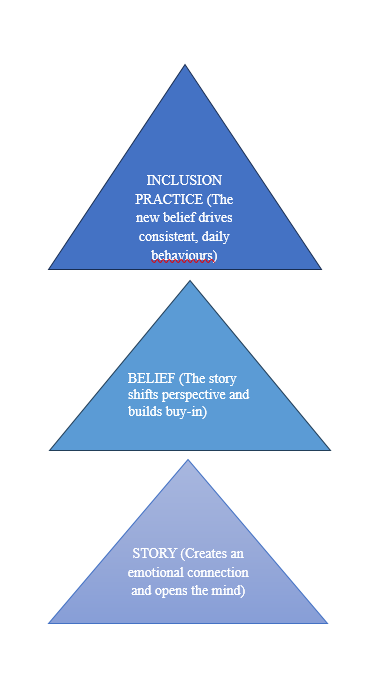
The Behaviour Pyramid
- INCLUSION PRACTICE (The new belief drives consistent, daily behaviours)
- BELIEF (The story shifts perspective and builds buy-in)
- STORY (Creates an emotional connection and opens the mind)
The Deepimpact Inclusion Activation Framework
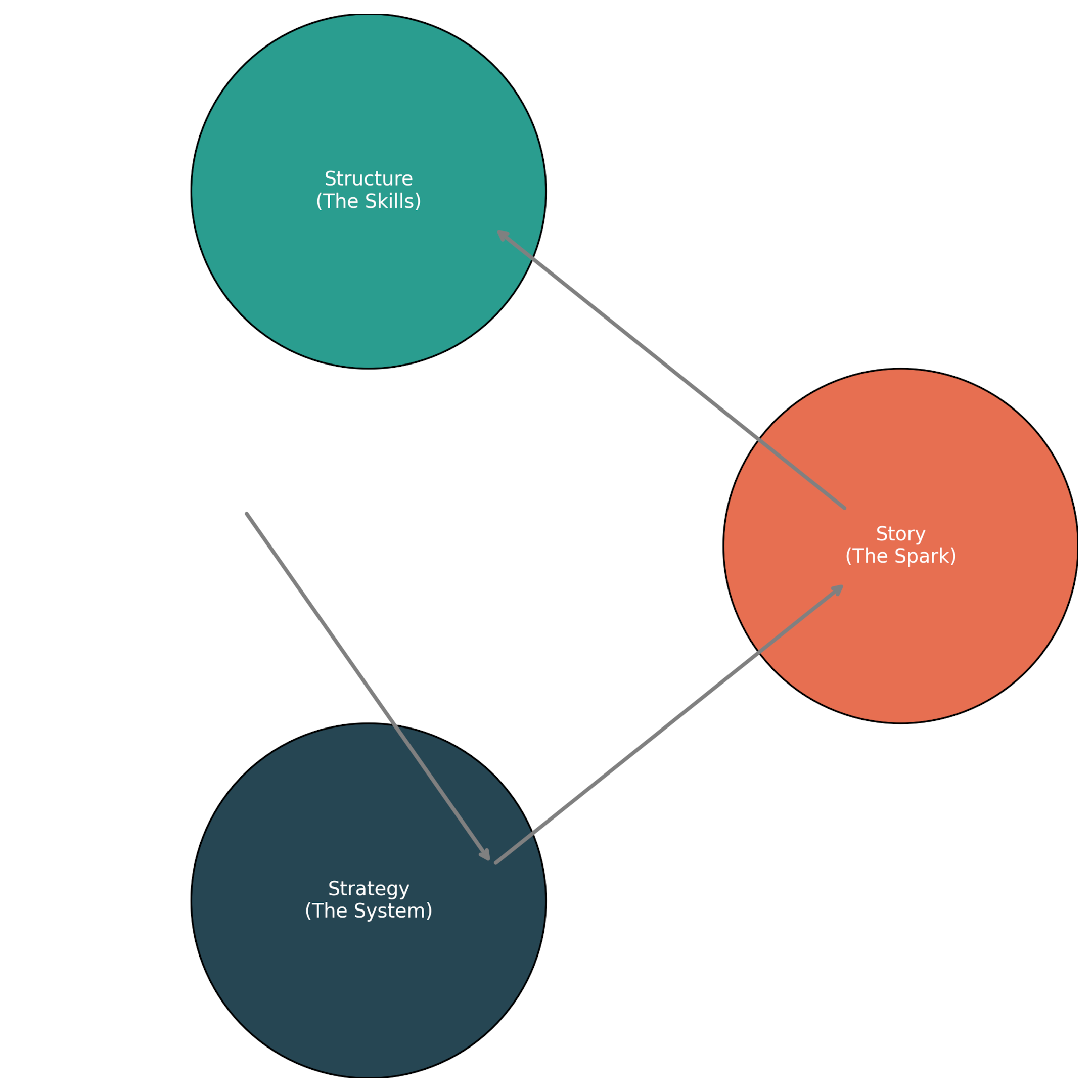
- Story (The Spark): Opens minds and creates the “why”
- Structure (The Skills): Builds the “how” with practical habits
- Strategy (The System): Embeds the habits to make it “business as usual”
Also read: Leadership and Teamwork Training Strategies Every Company Should Adopt