It’s 2026, and if you’re leading a team right now, you already know it’s nothing like it used to be. You’re juggling constant change, hybrid teams, AI driven decision making, rising employee expectations, and relentless performance pressure all at once. And yet, so many leadership programmes still promise a quick fix that disappears the moment you step back into the real world.
I’ve seen it happen over and over, organisations spending serious money on programmes that look great on paper but barely change what people actually do. The problem isn’t the content, it’s the model of leadership behind it.
Being a leader today isn’t about your title or the courses you’ve completed.
Being a leader is how you show up every day, how you influence outcomes, enable your team to perform, and make sound decisions when nothing is certain.
-Kenneth Kwan
Understanding the types of leadership that work in different situations can help you make better choices and guide your team more effectively. Real transformation isn’t a checkbox on a training schedule, it’s what happens when new behaviours become part of how you work in the organisation.
And here’s the thing, what worked in 2020? Chances are, it won’t cut it in 2026.
That’s why adopting the right leadership training model is crucial, to help you build sustainable performance not just for yourself, but for your team and the organization across all generations, from Gen Z to the most experienced leaders.
Leadership training is no longer a “nice to have” in 2026; it is a business necessity. Organisations are operating in an environment defined by constant disruption, accelerated decision cycles, hybrid work, and rising expectations from employees who want clarity, trust, and purpose not just direction. In this reality, relying on instinct, past experience, or outdated leadership habits is no longer enough.
The real shift is not about exposing leaders to more ideas, frameworks, or inspirational talks. The impact comes when leadership training embeds new ways of thinking and acting into everyday work. This is where a leadership model becomes essential.
A strong leadership model provides a clear blueprint for how leadership actually shows up across the organisation how decisions are made under pressure, how people are developed in uncertain times, how accountability is reinforced, and how learning continues beyond the classroom.
Effective leadership training goes beyond information. It reshapes habits, aligns behaviour with organisational priorities, and links learning directly to live business challenges. Through feedback, coaching, and practical application, leaders internalise new ways of working that become part of the culture itself. Without this cultural alignment, even the best training risks remaining theoretical and change becomes temporary.
The workforce today includes a growing generation of Gen Z employees who stand firmly against traditional command-and-control leadership. They expect transparency over hierarchy, purpose over position, and dialogue over directives. Leaders who rely on intimidation, sarcasm, or “toughening people up” quickly lose credibility. These behaviours erode trust, psychological safety, and engagement—and Gen Z is far more willing to disengage or walk away when leadership fails to meet these standards.
Modern leadership demands respect, emotional intelligence, and the ability to challenge without humiliating, to hold standards without fear, and to develop people rather than control them. It also requires leaders to actively shape the culture, because leadership behaviour sets the tone for how teams collaborate, innovate, and adapt.
In a world that rewards speed, adaptability, and consistency, the leadership models that work are those built for complexity and continuous change not static environments that no longer exist. Investing in leadership training today is not about preparing leaders for the future; it is about enabling them to perform effectively in the reality they are already facing, while embedding a culture that sustains high performance and engagement.
Leadership models don’t fail because they’re outdated; they fail because they’re applied without context. In 2026, the question is no longer which model is best, but when and how each leadership development model should be used. Organisations operate under constant pressure, with multiple generations, shifting priorities, and little tolerance for leadership that looks good on paper but falls apart in practice.
The role models that deliver real impact are those that give leaders clear direction without turning leadership into a rigid script. They shape everyday decisions, behaviours, and conversations with team members while still allowing leaders to adapt to people, situations, and culture. These models also support stronger engagement by helping leaders connect with their teams in meaningful ways. The following leadership training models continue to prove their value in organisations balancing experienced leaders with a growing Gen Z workforce.
Developed by Paul Hersey and Ken Blanchard, the Situational Leadership Model endures because it mirrors how leadership actually works on the ground. The premise is simple but demanding: there is no single best leadership style. Effective leaders adjust how they lead teams based on the capability, confidence, and readiness of the individual they are leading.
A graduate in their first role may need clear direction, structure, and frequent check-ins. A high-performing specialist, on the other hand, may only need clarity on outcomes and the freedom to decide how to deliver. Applying the same leadership approach to both is inefficient at best and damaging at worst.
This model works especially well in organisations with fast-scaling teams, hybrid work environments, and wide variation in experience levels. Leaders using this approach can create a culture of accountability and engagement across the organisation. Flexing between directive and delegating behaviours without appearing inconsistent helps strengthen employee engagement and build trust among team members a crucial factor in managing Gen Z employees who expect autonomy alongside support.
Transformational leadership comes into its own when organisations need to move people, not just processes. Built around four core elements idealised influence, inspirational motivation, intellectual stimulation, and individualised consideration this model focuses on creating commitment rather than compliance.
Transformational leaders act as visible role models, articulate a compelling vision, and challenge people to think differently about problems and possibilities. This approach is especially effective during periods of significant change, such as mergers, digital transformations, or cultural resets.
For example, organization undergoing large-scale change consistently report higher engagement and lower resistance when leaders communicate a clear “why” and actively involve teams in shaping the future, rather than relying solely on top-down directives. Gen Z employees, in particular, respond strongly to leaders who demonstrate authenticity and purpose, while experienced leaders value the clarity and alignment this model brings during uncertainty.
Coaching-centred leadership has shifted from a development “nice to have” to a core leadership capability. In 2026, leadership is less about having all the answers and more about creating the conditions for better thinking and decision-making across the organisation.
This model embeds coaching behaviours active listening, powerful questioning, and high-quality feedback into everyday leadership. Instead of defaulting to instruction, leaders learn to slow down conversations, ask better questions, and build accountability through dialogue. A manager might ask, “What options have you considered?” or “What would success look like here?” rather than jumping straight to solutions.
Recent leadership development research shows that organisations using coaching‑based leadership approaches see stronger engagement, faster capability building, and more resilient teams during periods of disruption. Studies indicate teams led by leaders who coach outperform others and demonstrate higher employee engagement and productivity. Research into coaching cultures also confirms that coaching is becoming a strategic priority for organisations seeking to build adaptability and sustainable performance in complex environments.
Compared to transactional leadership, which focuses on short-term outputs, or servant leadership, which prioritises care and support, coaching-centred models strike a balance between performance and development. They empower individuals to think for themselves while still holding clear standards and outcomes.
This becomes especially critical during economic uncertainty or organisational stress. Teams led by coaching-oriented leaders consistently demonstrate higher adaptability and problem-solving capacity, because trust and accountability are already in place. Over time, this approach builds a culture of continuous improvement, learning, and ownership qualities that Gen Z expects and experienced leaders increasingly recognise as essential.
The DEEP Model is all about people. It’s a leadership and change framework that helps organisations move from good intentions to real, lasting action. It works especially well in situations where teams are tired of constant change, resistance is subtle, and everything looks aligned on the surface but strategy isn’t translating into consistent behaviour.
Here’s the truth that sets DEEP apart from traditional change models: change rarely fails because the strategy is wrong. It usually fails because people get stuck in problem-focused thinking, take low ownership, or get caught up in conversations that don’t lead anywhere.
DEEP gives leaders a clear, practical way to shift how teams think, talk, and act. Conversations move from problem-talk to solution-talk, overwhelm turns into visible progress, and compliance transforms into genuine ownership. Leaders focus on what can be influenced, tested, and improved right now, instead of repeatedly explaining why change matters.
This approach resonates strongly with Gen Z. They push back against abstract strategies or initiatives that feel imposed. Clarity, involvement, and momentum matter most and DEEP delivers by making change tangible, participatory, and action-driven, not just something in slide decks or town halls.
Experienced leaders gain a disciplined way to sustain momentum without relying on pressure, fear, or constant escalation. Progress replaces pressure. Learning replaces blame.
What really sets the DEEP Model apart is its focus on behaviour over messaging. Change becomes something people practise every day through their decisions, conversations, and habits. Multi-generational teams benefit from a shared rhythm that feels real, achievable, and sustainable.
In August 2025, Gen Z‑led protests erupted across Indonesia in response to a controversial decision by lawmakers to approve a monthly housing allowance for members of parliament that was ten times Jakarta’s minimum wage. What began as an economic grievance quickly expanded into broader demands for greater transparency, accountability, and structural reform, including calls for the resignation of the chief of police a rare public challenge to entrenched authority by younger Indonesians.
This movement reflects a deeper generational shift that also shows up in organisations. Indonesian Gen Z participants made it clear they were not just opposing one policy; they were rejecting old‑style leadership that operates behind closed doors and resists accountability even in governance. They championed clarity, agency, and involvement, traits that younger professionals increasingly expect in workplaces as well.
In the corporate context, research on Indonesian workplaces shows similar patterns: Gen Z employees respond better to leaders who empower rather than micromanage, offering autonomy and space to innovate instead of rigid hierarchy and control a leadership style that traditional models often struggle to deliver.
You can tie this into your narrative by highlighting how such visible, real‑world pushback against outdated authority echoes the workplace expectations of Gen Z they want leadership that is transparent, participatory, and credible rather than positional or dogmatic.
2026 is the year to stop treating leadership training as a checkbox and start turning it into a movement. A movement isn’t just about learning models; it’s about embedding new ways of thinking, behaving, and leading into the fabric of everyday work. It’s what separates fleeting inspiration from lasting impact.
To make leadership training stick this year, start by personalising your journey. No two leaders, teams, or organisations are the same, and no framework works unless it adapts to your context. Ask yourself: Which habits, behaviours, or decisions matter most to my team right now? and How can I apply what I learn in ways they actually experience and respond to?
Next, link learning to live challenges. Theory only becomes practice when applied to situations that matter. Coaching skills aren’t just practised in workshops they’re practised in real-time with your team, in meetings, check-ins, and even tough conversations. Situational or transformational frameworks work when you experiment, adjust, and reflect on what actually moves your team forward.
A movement also needs visible momentum. Share your goals, ask for feedback, celebrate small wins, and keep iterating. This isn’t about perfection; it’s about consistency. Every small, intentional choice reinforces new behaviours and builds trust, engagement, and ownership across your team.
Finally, remember the multi-generational lens. Now the current teams include Gen Z who expect clarity, purpose, and involvement. A leadership movement that sticks bridges experience and expectation: it honours wisdom while embracing authenticity, empowerment, and collaboration.
Leadership training in 2026 becomes a movement when it’s personal, practical, and persistent. Make this the year your team doesn’t just learn a model they live it.
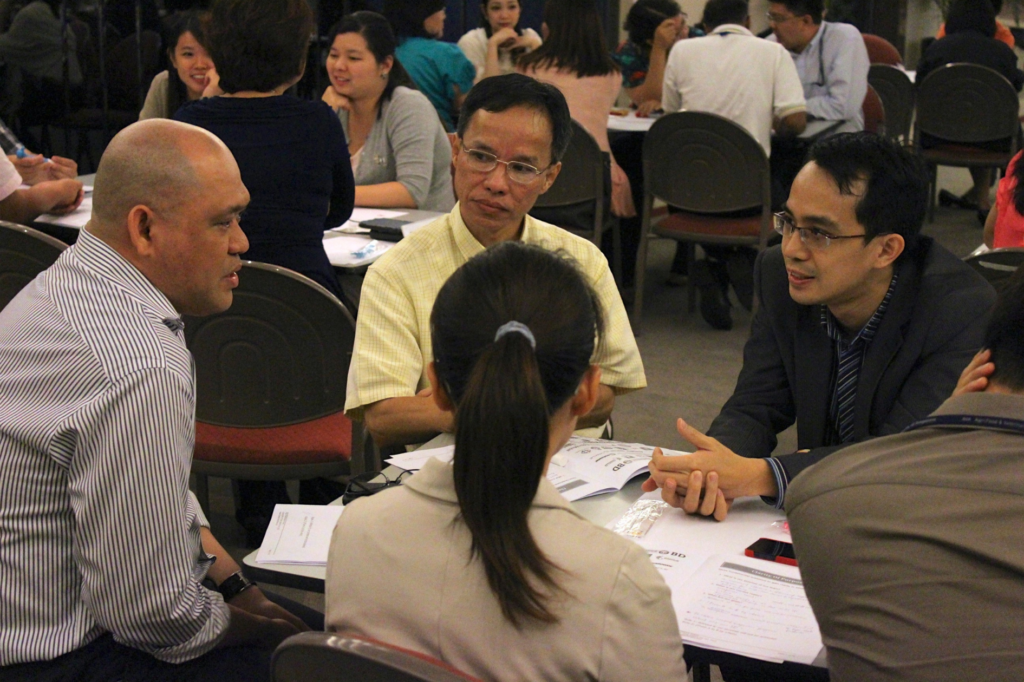
Years of collaboration with senior CEOs and veteran leaders have shown me what makes leadership truly effective, allowing me to witness firsthand the decisions, pressures, and behaviours that drive the success of the organisation. These leaders taught me the importance of vision, discipline, and accountability. Today, I am also seeing the next generation of leaders, the Gen Z cohort, who bring fresh perspectives, high expectations for transparency, and a desire for meaningful impact.
I often find myself standing between these worlds, bridging experience with curiosity, authority with authenticity, and traditional practices with new ways of working. Leadership that actually delivers is not about following a single model or checking boxes. It is about translating learning into action, creating habits that influence outcomes, and adapting to the needs of a multi-generational workforce.
In the coming years, successful leaders are those who put their learning into action every day, build trust across different generations, and lead by example rather than just words. Leadership isn’t about a title or completing a programme it’s something you practise every day.
It drives results, helps people grow, and shapes the culture of the organisation. Leaders can make a real difference by focusing on the small behaviours, choices and actions that matter most in their daily work.
Take the first step toward leadership that delivers in the long run. Focus on one behaviour, one decision, and one action that sets the tone for your team. Real change starts with what you do today. If you’d like support along the way, I’m here to help let’s have a quick conversation.
You can also read: Strategic Leadership and Teamwork Training Models for Modern Companies