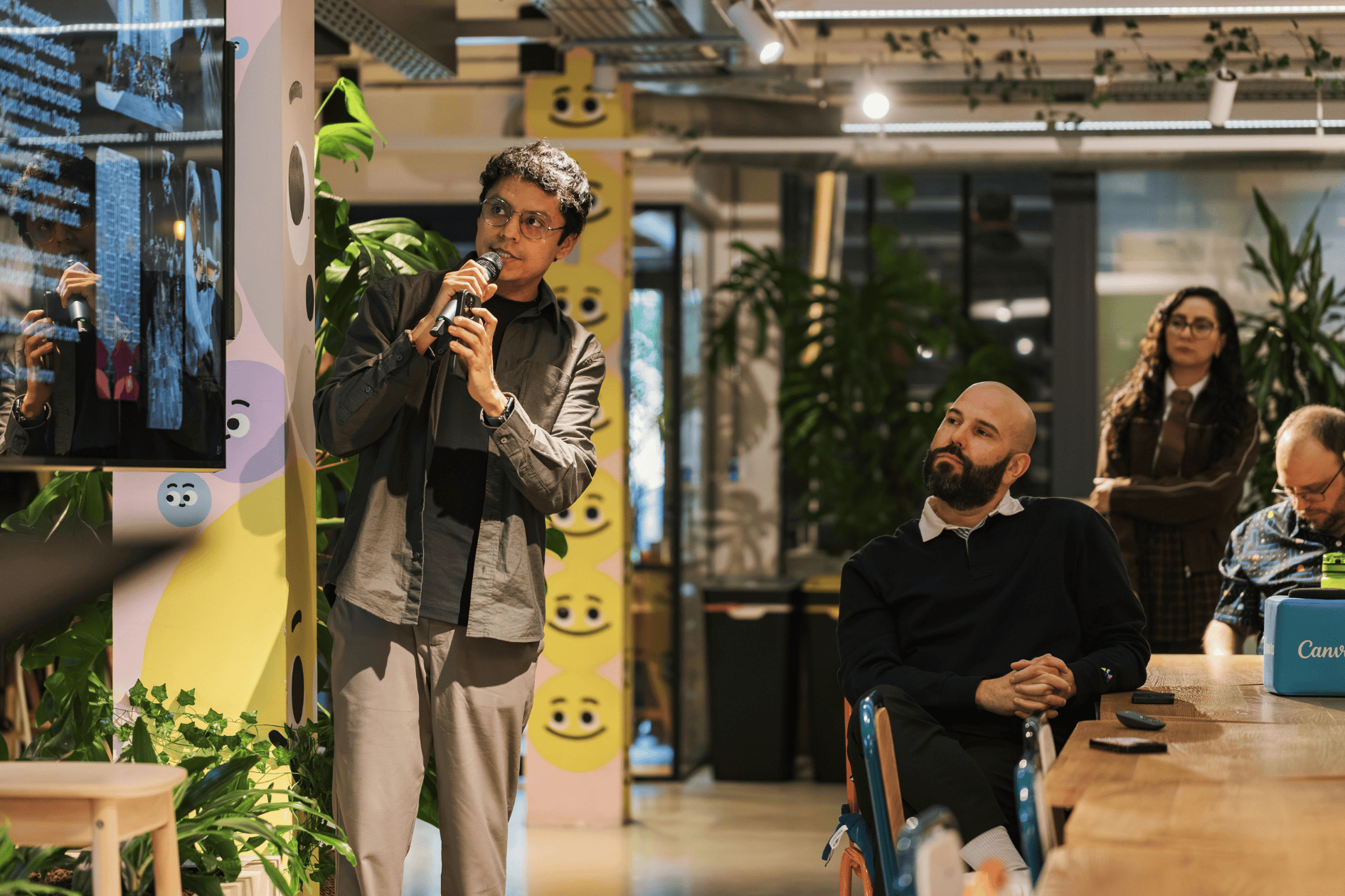
A thousand people in an auditorium hum with energy as keynote speakers share stories, insights, and strategies that captivate every leader in the room. For hours, the audience is engaged, inspired, and full of ideas. Phones snap selfies, quotes are shared, and for a brief moment, the excitement feels unstoppable.
Two weeks later, inboxes are overflowing, deadlines press in and operational demands take over. Most of that spark the motivation, the insights, the momentum has quietly faded. Motivation feels electrifying in the moment, but without a path to action, it rarely lasts.
I’ve witnessed this pattern countless times across organisations throughout Asia-Pacific. The hard truth? Motivation alone doesn’t build individuals. Emotional highs, memorable speeches, even standing ovations they aren’t enough.
What creates high-performing leaders is consistent, deliberate change in how people think, communicate, and act in both their personal and professional lives, especially when the going gets tough. Motivation only matters when it triggers action that lasts beyond the applause.
Leaders aren’t made by the thrill of a conference they’re made by what they do when no one is watching, when pressure is high, and when old habits are being tested. That’s when inspiration transforms into real performance. The best corporate motivational keynote speakers, including those recognised by Asia Professional Speakers Singapore, want their professional members, to focus not just on creating excitement, but on providing practical strategies that help leaders embrace change and translate inspiration into measurable, lasting impact.
I often see leaders assume that motivation begins with confidence. In practice, it usually begins with discomfort.
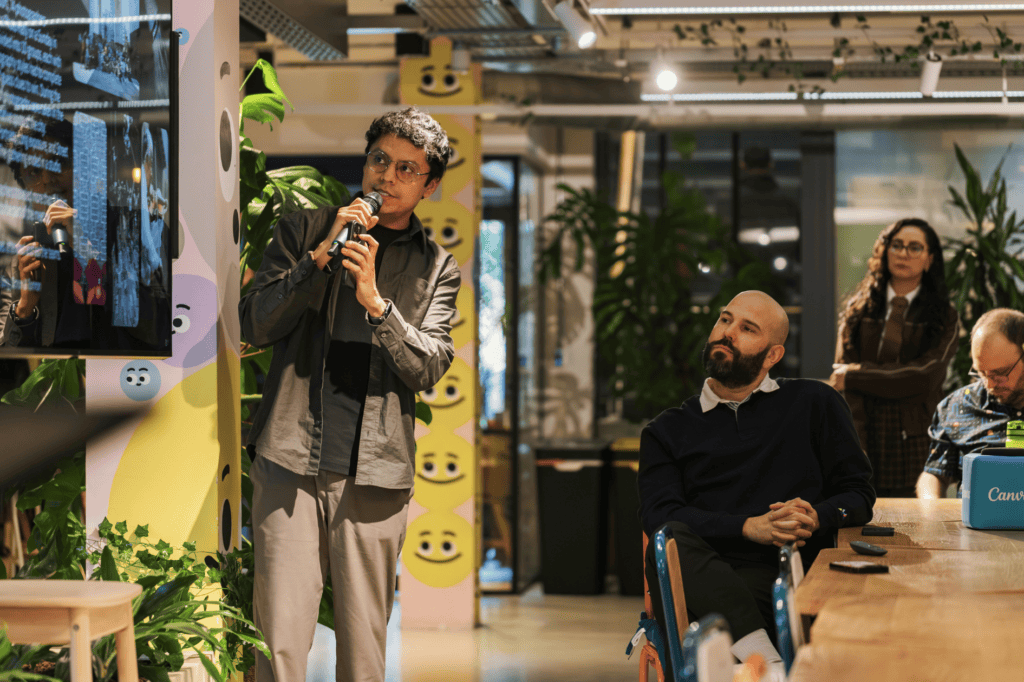
In one Small Steps To Big Changes Leadership Session, I invited a group of leaders to step into a simple peer exercise. Nothing complex. No performance. Just a short, structured way of recognising strengths in one another. Despite the simplicity, the reaction was immediate hesitation. Compliments felt unfamiliar. Public acknowledgement felt exposed. People laughed nervously.
What interested me wasn’t the resistance itself, but what happened when they stayed with the process. As leaders followed the three steps acknowledging what impressed them, recognising the effort involved, and expressing genuine curiosity the dynamic in the room shifted.
Conversations slowed. Voices got excited. People began listening rather than waiting to speak. Within minutes, the atmosphere changed not because anyone was inspired, but because behaviour had changed.
This simple exercise became more than team building; it was a way to overcome challenges in the workplace, where instead of focusing on problems, we focused on success, leaving a lasting impression that extended beyond the session.
There was no dramatic story, no emotional appeal, and no attempt to energise the room. Yet something tangible had shifted. Leaders were relating to one another differently. Trust increased. Joyfulness exploded. What struck me most was how quickly this happened once people moved from thinking about leadership to practising it. By incorporating actionable steps and actionable strategies into everyday interactions, even small exercises like this can drive continuous improvement and positive change across teams.
That experience reinforced a principle I return to again and again as a thought leader: motivation that creates impact is not something people feel in the moment; it is something they practise in action. When leaders change how they behave even in small ways their thinking follows. That is where real leadership development begins, and why it’s so important for speakers and facilitators to closely work with organisations to design experiences that translate inspiration into practical, lasting outcomes.
Traditional motivational speaking often aims to create an emotional peak. Large conferences, leadership forums, and annual kick-offs bring together thousands of people with the promise of inspiration and renewed energy.
For a few hours, the atmosphere is powerful. People reflect and talk about change. Speaking topics are carefully curated to energise audiences, but often, they remain disconnected from how leaders apply insights to their own lives and work.
Over the years, I’ve seen organisations host events involving more than many top motivational speakers across multiple platforms, reaching over thousands. Each speaker delivers a compelling message, designed to leave a lasting impression. The air is electrifying. Alignment feels real. For hours, sometimes longer, people believe something meaningful has shifted.
And then the event ends.
The room empties. The audience return to their desks. Emails pile up. Operational pressures resume. In follow-up conversations with their managers and senior leaders, a familiar pattern emerges. There is no shared language to carry forward. No agreed micro-actions. No structure to translate insight into daily leadership behaviour. Within two to three weeks, most people are back to old habits not because the speakers weren’t effective, but because the culture around them remained unchanged.
Many of these events are still labelled “successful” based on attendance numbers, engagement levels, and post-event feedback. Yet when organisations reflect six or twelve months later, they struggle to point to any measurable shift in leadership behaviour, collaboration, or culture. The investment was significant. The experience was memorable. The impact, however, was temporary.
This is not a failure of motivation. It is a failure of design. Choosing the right speaker, whether a co-founder of a leadership program or a seasoned keynote presenter, is only part of the solution. Lasting impact comes when events are designed to develop transformative experiences and equip leaders with actionable tools to carry inspiration into their daily work. Motivation alone will never be enough unless it is tied to practical strategies that influence behaviour long after the applause ends.
High‑performing leaders are often described as confident, decisive, and resilient. What’s rarely discussed is how these qualities develop. In my experience, they are not only innate personality traits; they are also learned behaviours reinforced over time through repeated experience, reflection and practice in real working conditions.
Leaders perform better when they know where to direct their attention. Instead of becoming consumed by what’s broken, they learn to notice what’s working. Instead of waiting for perfect conditions, they take small steps forward. Instead of reacting under pressure, they pause long enough to choose a more constructive response. These behaviours don’t emerge from inspiration alone; they emerge from sustained practice in real contexts, where leaders are accountable for results and must apply what they learn.
We see this in how organisations around the world from start-ups to multinational corporations are investing heavily in leadership development, especially across the Asia‑Pacific region. The Asia Pacific corporate training and leadership development market is substantial, with the region holding nearly 23 % of global corporate training revenue about US $35.7 billion in 2024 and projected to continue growing at over 9 % annually through 2034 as companies prioritise leadership capability as a strategic differentiator, particularly in areas like digital transformation.
Despite this investment, there remains a well‑documented gap between input and outcome. While 76 % of organisations have updated their leadership programs, only 36 % of HR leaders believe their development efforts effectively prepare leaders for the challenges ahead. Moreover, a global study by McKinsey found that only about 11 % of organisations report leadership development programs yielding consistently strong results. These figures highlight a critical reality: sheer volume of training doesn’t automatically yield behavioural change, even if the session was delivered by the perfect speaker or structured like a highly successful event.
This gap underscores the difference between a one-off session and embedded capability. Organisations may run three‑hour leadership sessions with thousands of attendees, carefully curated to match audience demographics, but if those sessions aren’t tied to real workplace practice, accountability, and reinforcement mechanisms, the effect is often fleeting. High‑performing leadership is not born out of a stand‑alone session; it is cultivated through experiential application, iterative learning, and the social environment leaders operate in.
The numbers tell an important story. Even as organisations significantly increase budgets for leadership development, the return in terms of behaviour change and measurable performance improvement only comes when learning is tied to real work and reinforced with ongoing practice. That’s why focusing solely on motivation without linking it to behavioural pathways leaves organisations with inspiration that feels good but doesn’t do much in the long run.
In my work with teams across industries in Asia, I’ve seen the difference when leaders are encouraged and supported to practise new behaviours consistently. Confidence grows not as a result of a high‑energy moment, but from evidence of progress even modest progress that leaders can see and build on. When motivation becomes internal rather than dependent on external events, leaders start to behave differently not just for a day, but in the weeks and months that follow. Understanding these dynamics is one of the essential traits of any truly effective corporate motivational speaker.

One of the most common patterns I observe in organisations is an overreliance on problem-focused conversations. Meetings often revolve around what went wrong, who is responsible, and why progress feels slow. While analysing issues has its place, excessive problem talk drains energy, narrows thinking, and reinforces a culture of blame rather than action.
Solution-focused thinking offers a practical alternative. Instead of dwelling on problems, leaders are encouraged to notice what is already working and explore how those successes can be scaled or replicated. It’s not about ignoring challenges it’s about reframing them to create actionable pathways forward. This approach encourages curiosity, highlights small wins, and shifts attention from obstacles to possibilities, all while providing practical tools that leaders can use immediately.
When teams adopt a solution-focused mindset, they become more engaged and proactive. Momentum builds naturally as small improvements are recognised and amplified, rather than buried under endless critique. Creativity increases because people feel safe to experiment, knowing that the focus is on what can work rather than what failed. This cultivates creative problem solving and empowers both junior staff and senior management to act decisively. Over time, leaders who master this approach foster environments where solutions emerge organically, accountability is shared, and problems are approached constructively rather than avoided.
Research supports the value of solution‑focused communication in workplace settings. A study published in the Journal of Solution Focused Practices found that solution‑focused management, which emphasises strengths and future possibilities for the diverse audiences, rather than problems, had a stronger positive influence on proactive followership behaviour than problem‑focused communication. This suggests that when teams shift their focus toward solutions, engagement and initiative‑taking improve more than when they remain centred on problems.
In my experience, embedding solution-focused thinking into everyday leadership practices transforms not only how meetings are run, but also how culture evolves. Leaders stop being reactive and start being intentionally constructive. Impactful presentations and insights from motivational sessions are no longer just memorable they translate into tangible behaviour changes. Leaders gain a unique perspective on challenges, shifting from blame to opportunity, and turning motivation into observable behaviour that lasts.
Many organisations still believe that transformation requires bold declarations, sweeping initiatives, or a single breakthrough moment. This belief has shaped how corporate motivation is delivered for years. A large audience gathers, a motivational speaker takes the stage, and for a few hours energy is high and intentions are strong. The assumption is that if the message is powerful enough, change will follow. Yet in my experience, even the most inspiring audiences often leave unsure of how to translate enthusiasm into action.
In reality, motivation on its own rarely creates lasting impact. Through my Small Steps To Big Changes® programme, I’ve seen that sustained change comes not from emotional peaks, but from practical steps that people can act on immediately. Small, intentional actions build confidence and momentum in ways that even the most compelling keynote or presentation cannot.
This is where the role of corporate motivational speakers must evolve. When motivation is delivered as a one-off experience, with big ideas but little translation into daily behaviour, the effect is short-lived. People leave inspired but unclear about what to do next. The energy fades not because the message was weak, but because there was no clear connection to event goals, nor a structured way for business leaders to integrate learning into their teams.
Small steps change that dynamic. They reduce resistance because they feel manageable. They increase follow-through because they fit naturally into daily work. Most importantly, they give people early evidence that change is possible. When leaders take a small action and see a tangible result, motivation becomes internal. It no longer depends on the next event or the next speaker it grows from lived experience.
A truly effective corporate motivational speaker doesn’t aim to overwhelm audiences with ambition. Instead, they provide a unique blend of inspiration and actionable insight, helping leaders identify the next practical step they can take the very next day. They translate energy into behaviour and ensure motivation has somewhere to go once the applause ends, giving participants a roadmap for overcoming adversity in both challenges and opportunities.
Over time, these small actions compound. What starts as a modest shift in behaviour becomes a new habit, then a shared norm, and eventually part of the organisation’s culture. Motivation stops being something people consume and starts becoming something they practise. That is how motivation sustains itself and how real, measurable change takes hold, long after many motivational speakers have left the stage.
Leadership is not only about skills or habits it is about meaning. Leaders perform at their best when their actions connect to a purpose they genuinely understand and value. Purpose is not something that can be announced in a town hall or printed on a slide deck. It emerges gradually through reflection, dialogue, and the ability to notice tangible signs of progress in everyday work. When leaders can see that their actions make a difference, even in small ways, motivation becomes grounded rather than aspirational, and the focus shifts from fleeting energy to desired outcomes.
In many organisations, the challenge is not a lack of purpose, but a lack of shared perspective. Modern workplaces are complex systems with competing priorities, generational differences, and cross-functional tensions. Corporate executives and industry leaders are often pulled in multiple directions and expected to provide clarity in situations where clarity does not yet exist. This is where the practice of multi-partiality becomes essential. Rather than forcing alignment too early, effective leaders hold multiple perspectives at once. They acknowledge that different views can coexist, and they create space for those views to be heard without immediately labelling them as right or wrong.
When leaders adopt this stance, conversations change. People feel listened to rather than managed. Questions replace assumptions. Curiosity replaces defensiveness. Over time, this shifts the emotional climate of teams. Trust grows not because leaders have all the answers, but because they demonstrate respect for the thinking of others. Collaboration improves as people feel safer to contribute ideas, challenge assumptions, and experiment without fear of blame.
Culture is shaped in these moments. It is reinforced through what leaders pay attention to, what they reward, and what they choose to acknowledge consistently. When leaders consistently reinforce constructive behaviour such as learning from setbacks, recognising progress, and encouraging initiative those behaviours become normalised. People begin to model what they see, and culture evolves without the need for constant enforcement.
In this context, motivation is no longer an occasional injection of energy, nor is it something delivered through keynote speeches alone. It becomes part of everyday life. Leaders don’t rely on external motivation to keep teams engaged; they cultivate environments where purpose is visible, perspectives are respected, and progress is recognised. Not just motivation, but a culture of meaningful engagement, ensures that teams deliver real impact. Over time, this creates an environment where people are motivated not by pressure or performance alone, but by a sense of contribution, shared ownership, and ongoing personal development.
Corporate motivation is not the problem. The problem is how narrowly it has been defined. For too long, success has been measured by how inspired people feel at the end of an event, rather than by what changes once they return to work. High-performing leaders are not built in moments of excitement; they are built through consistent attention to behaviour, conversations, and small daily choices that compound over time.
The most effective corporate motivational speakers understand this shift. They don’t just aim to energise a room; they share ideas and stories that translate inspiration into action. Unlike many other motivational speakers, who focus on emotional highs alone, the right speaker works closely with organisations including government agencies and private sector teams to ensure the learning connects directly to corporate culture and everyday work.
They help leaders practise new ways of thinking and interacting, so motivation has a clear path into the personal and professional lives of employees.
-Kenneth Kwan
The real question for any organisation planning its next leadership event is not “Will this inspire our people?” but “What will our leaders do differently afterward?” When motivation is designed to answer that question, it stops fading after two weeks and starts shaping culture for the long term. That is how high-performing leaders are built not sparked, but developed, one deliberate step at a time.
Motivation is only the start. If you’re ready to help your leaders take real steps, let's connect !
Read More: When Corporate Keynote Speakers Fail to Deliver, Everyone Feels the Impact