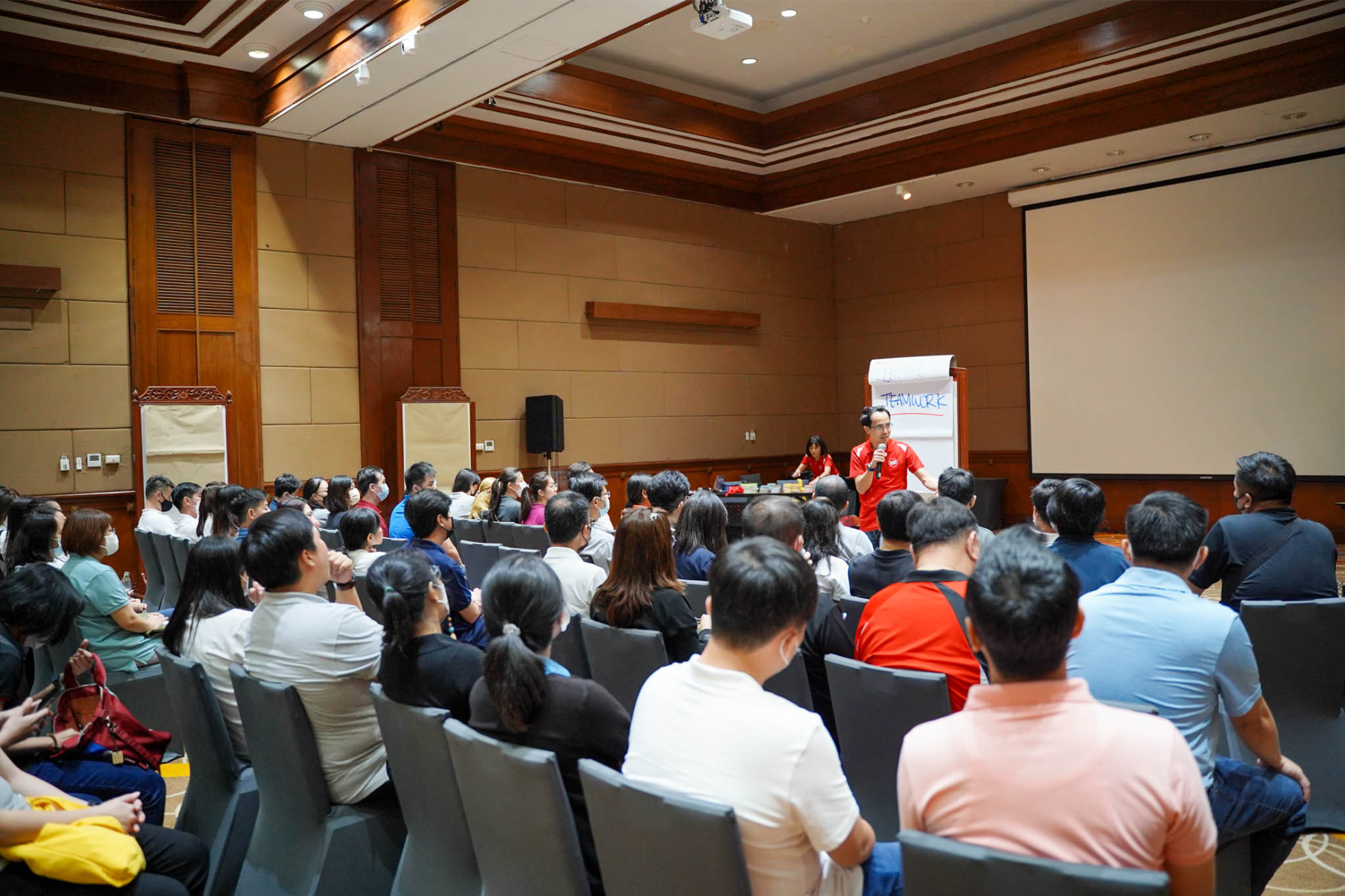
Leadership is not about telling people what to do; it is about creating a space where people can do their best work.
High-performing organisations are not the product of luck they are deliberately built. Strategic leadership guides diversified managers hailing from different backgrounds toward a clear purpose, turning different strengths into results that last. When leadership shapes culture with clarity and care, long-term success becomes achievable and sustainable.
I have learned that strategic leaders do more than manage they shape the environment so people can do their best work. A strategic leader recognises that every decision, interaction, and process influences the culture of the organisation. Strategic leadership is about making those choices deliberately to support the organisation’s long-term goals.
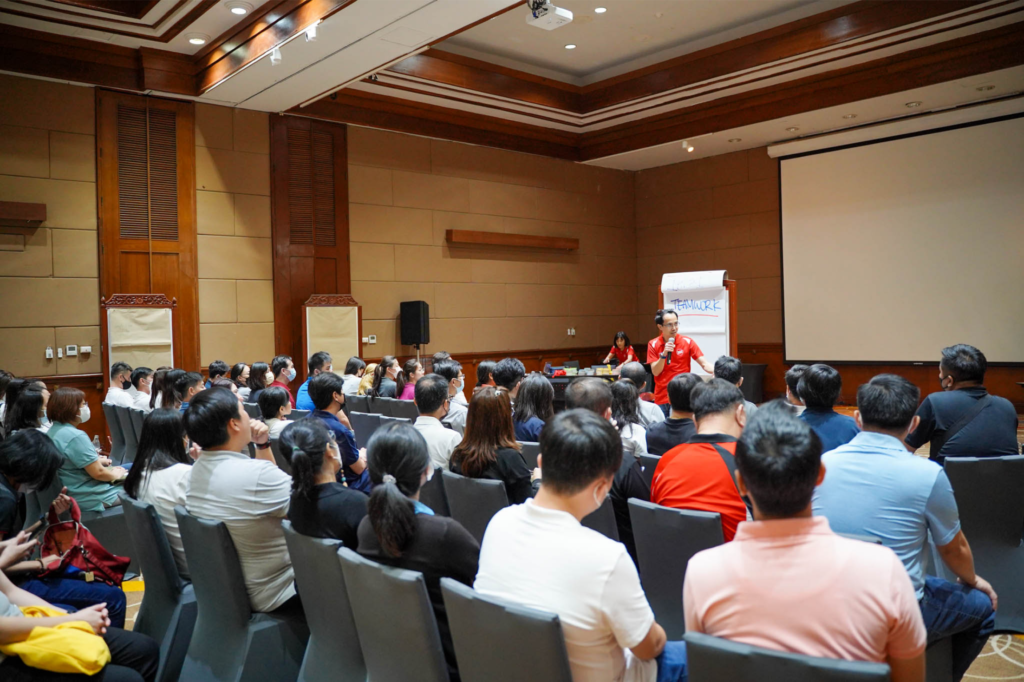
Leadership is not measured by the authority you hold but by the clarity, trust, and direction you bring to the people who rely on you.
Many people ask, what is strategic leadership? For me, it is the ability to guide the organisation in a way that aligns people with purpose while achieving results. Strategic leadership skills includes clear thinking, making decisions that matter, communicating effectively, and helping people understand their role in the bigger picture. Strategic leaders are able to balance what needs to happen today with the organisation’s long-term goals, ensuring steady progress without losing direction.
Leadership does not exist in isolation. To become a leader, you need people willing to follow, challenge, and contribute. A strategic leader understands that progress is created through relationships, not individual effort. Leadership is not about a title it is about the choices we make and the way we treat people every day. Whether it is addressing problems, guiding team members, or making decisions that affect the organisation, leaders set the tone for the culture around them.
Are you a strategic leader? Take this quiz and find out your score.
A clear vision is not a slogan on a wall; it is the thread that connects every decision, action, and conversation in an organisation.
High-performing cultures begin with clear goals. Strategic leadership turns purpose into action everyone can relate to. When people see exactly how their daily work influences bigger goals, their decisions become smarter, collaboration grows stronger, and responsibility is embraced naturally. Understanding the “why” behind their efforts transforms routine tasks into meaningful contributions that drive long-term success for both the executives and the organisation.
When people see how their work contributes to the bigger picture, engagement and performance rise naturally. Leaders who prioritise clarity create environments where everyone knows how their efforts support long-term success. In my experience, this sense of direction can turn a group of people from different backgrounds into a team that consistently delivers results.
Prioritising is a difficult task because it involves clarity.
Clarity becomes especially important when an organisation brings together people from different backgrounds, experiences, and ways of working. Without a shared direction, differences can pull people apart rather than strengthen results. Strategic leadership provides that anchor. It ensures that no matter where someone comes from or how they approach their work, they understand what the organizations stand for and how their contribution fits into its future.
Trust is built in the small, everyday actions that show people you see them, hear them, and value their contribution.
I emphasise that trust is built through actions, not words. Encouraging a culture where questioning, experimenting, and learning from mistakes is welcomed allows people to take ownership and contribute fully. Strategic leaders act consistently, communicate openly, and accept responsibility when outcomes don’t go as planned, reinforcing integrity and reliability at every level.
Listening becomes a daily practice, not just a formality. Engaging with team members from diverse backgrounds and perspectives, even when opinions differ, sharpens thinking and strengthens decisions. When people feel genuinely heard, trust deepens, accountability rises, and commitment to the organisation’s goals grows naturally.
Trust deepens when leaders remain steady, particularly during uncertainty. People watch how leaders respond when things don’t go to plan whether they listen, stay present, and act fairly. Strategic leadership shows up in those moments. When team members see consistency between words and actions, confidence grows, and people feel able to bring their full thinking to the table without fear.
Alignment is not about everyone doing the same thing; it is about everyone understanding why their part matters in the bigger picture.
Strategic leadership is about alignment. Every process, incentive, and decision should reinforce the organisation’s vision and values. I constantly check that the organisation operates in a way that supports culture and performance. Misalignment may be subtle, but its impact is significant, creating confusion and inefficiency.
Strategic leadership roles understand that culture is the framework connecting purpose, people, and performance. I ensure that team members, employees, and leaders work in a way that strengthens this framework, allowing the organisation to achieve both short-term priorities and long-term goals.
As organisations grow and evolve, misalignment often appears quietly. Processes change, priorities shift, and people adapt in different ways. Strategic leadership means noticing these gaps early and addressing them with intention. Alignment is maintained not through control, but through ongoing conversation, clarity of expectations, and leaders staying connected to how work is actually experienced across the organisation.
The measure of a leader is not what they achieve alone, but what the people around them achieve because of them.
For strategic leadership skills extend beyond guiding teams they include developing leaders at all levels. In Deep Impact, my focus is on building a journey for team members back-to-back sessions that are solution-focused, where I listen, include diverse perspectives, and help them improve their decision-making and leadership capacity. A strategic leader recognises that guiding people along this path strengthens the organisation’s ability to respond to challenges and achieve long-term results.
Investing in leadership skills is essential. Leaders who help others grow are more likely to create cultures that perform consistently. Employees learn to embrace responsibility, solve problems, and align efforts with long-term goals.
Leadership development is not about preparing a select few for senior roles; it is about strengthening decision-making and responsibility across the organisation. When people are encouraged to think, act, and lead within their roles, confidence grows. Strategic leadership creates space for this growth, recognising that resilient organisations rely on leadership capacity at every level, not just at the top.
The right decision is often the one that balances what matters today with what matters most tomorrow.
Effective decision-making is central to strategic leadership. Leaders must weigh immediate needs against the organisation’s long-term goals, considering both impact and sustainability. Strategic leaders are decisive yet reflective, recognising that choices affect not only outcomes but culture.
I encourage team members to approach challenges with curiosity and practicality. Problem-solving is not about rushing to answers it is about learning, testing, and adjusting. Organisations led with care and clarity respond better to change and uncover opportunities that others might miss.
Decision-making becomes more effective when leaders create room for thoughtful input rather than rushed agreement. Strategic leadership involves knowing when to decide quickly and when to slow down, listen, and reflect. This balance helps organisations avoid reactive choices and instead move forward with decisions that people understand, support, and are committed to carrying through.
Recognition is not about praise alone; it is about showing people that their work matters in the bigger picture.
Strategic leadership is incomplete without accountability. I focus on recognising behaviours that support the organisation’s values while addressing actions that don’t. Strategic leaders set the standard by modelling commitment, integrity, and responsibility.
Celebrating contributions motivates people, and holding them accountable ensures alignment. Together, recognition and accountability reinforce culture and help achieve long-term success. People know their efforts matter and see the link between performance and purpose.
Accountability feels different in cultures where recognition is genuine. When people know their effort is noticed and their contribution respected, expectations feel fair rather than imposed. Strategic leadership ensures that accountability is applied consistently, not selectively, reinforcing trust and clarity about what the organisation values in both behaviour and performance.
Change is not something to endure; it is something to guide with clarity and care.
Change is constant, and handling it well is a key part of strategic leadership. When moving strategically, I think of leaders like Paul Polman at Unilever, who redefined how a global company can grow responsibly without sacrificing performance.
Rather than chasing quarterly results, Polman eliminated short‑term profit reporting so the business could focus on outcomes that matter over the long term such as reducing environmental impact, improving people’s health, and strengthening supply chains.
Under his leadership, Unilever launched the Sustainable Living Plan, which set ambitious goals to halve the company’s environmental footprint while doubling its size and improving the well-being of a billion people.
He also shifted the company toward sourcing 100 % of key agricultural materials sustainably and worked with suppliers, governments and communities to make these goals realistic and shared. These strategic choices helped reduce uncertainty during change, aligned daily work with purpose, and created momentum toward both sustainability and performance outcomes that endure.
Motivation comes not from directives, but from understanding, respect, and a sense of shared purpose.
Strategic leadership starts with people. I make it a point to understand the motivations, strengths, and aspirations of team members from diverse backgrounds. Leadership is less about giving directions and more about inspiring people to contribute their best, aligning their efforts with the organisation’s purpose and long-term goals.
Leaders who invest in people authentically create a culture where effort and initiative are rewarded. I focus on giving opportunities for growth, recognising achievements, and making people feel included. When employees feel valued, engagement rises, and the organisation benefits from sustained long-term success.
Strategic leaders recognise that change affects both the practical and human sides of an organisation. When Netflix shifted from DVD rentals to streaming, its leadership communicated a clear vision and helped employees understand not just what was changing but why it mattered encouraging people to embrace opportunity instead of fear. That clarity enabled innovation to flourish, strengthened performance during disruption, and equipped teams to navigate uncertainty with confidence and resilience
Success is not just what you achieve this month; it is what you set up to achieve for years to come.
The most effective strategic leaders know that immediate results cannot come at the expense of the future. I ensure that decisions meet today’s needs while supporting long-term goals. Balancing short-term priorities with strategic foresight keeps the organisation resilient, focused, and prepared for the challenges ahead.
Strategic leadership is a practice of weighing today’s pressures against tomorrow’s ambitions, ensuring every action moves the organisation closer to sustained high performance.
Short-term pressure is unavoidable, but it should not dictate every decision. Strategic leadership involves stepping back regularly to question whether today’s actions support tomorrow’s direction. This discipline protects organisations from trading lasting value for quick wins and helps leaders make choices that stand up over time.
Leadership is not what you do in the spotlight it is what you do every day when no one is watching
Every day, I see how strategic leadership is more than a concept it is a way of working. From guiding leaders, shaping the organisation, and supporting team members, to making decisions that reinforce culture, leadership sets the tone for performance.
Strategic leaders are thoughtful, deliberate, and consistent. They understand that clarity, trust, and direction are more important than authority or titles. Organisations that embrace these principles achieve results that endure, inspire people to perform, and remain adaptable over time.
Strategic leadership shows itself in consistency. It is reflected in how meetings are run, how decisions are explained, and how people are treated when outcomes fall short.
Consider Howard Schultz at Starbucks, who famously made it a priority to engage with employees at all levels—listening to baristas, learning their challenges, and showing respect for their ideas. These daily practices reinforced a culture of inclusion and accountability, long before any formal strategy was published.
Over time, such behaviours shape culture more powerfully than any document, influencing how people think, act, and lead when no one is watching.
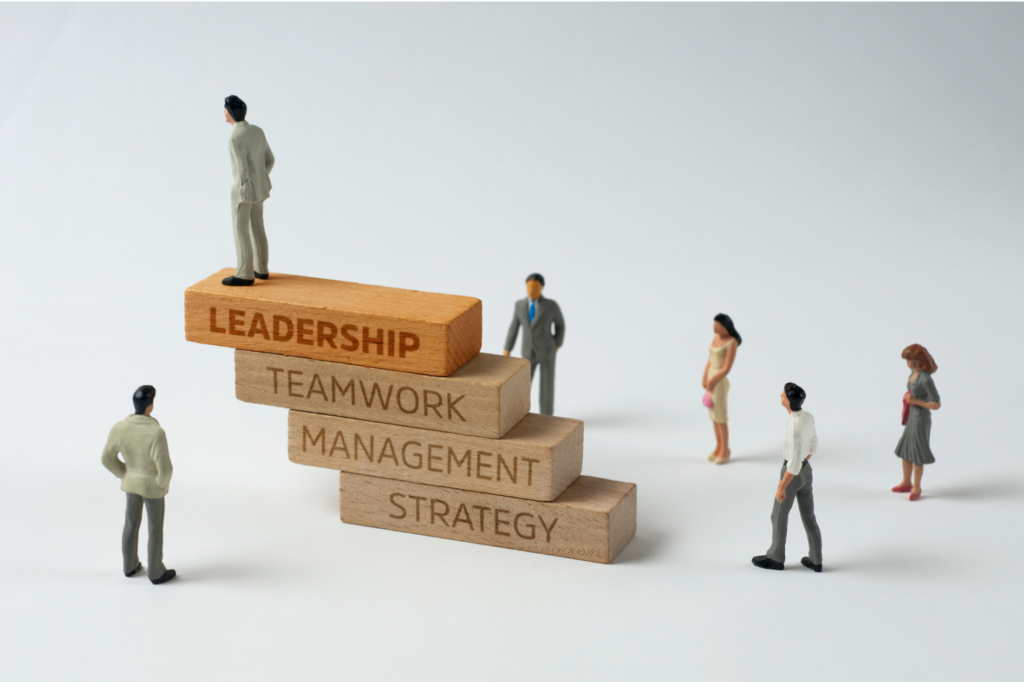
The mark of a true leader is not measured solely by today’s results, but by the culture and people they leave behind for tomorrow. Strategic leadership is not about doing it all alone it is about shaping an environment where people from diverse backgrounds feel seen, respected, and equipped to contribute their best.
High-performing organisations are deliberately built.
-Kenneth Kwan
They emerge when leaders create clarity of purpose, nurture trust, align processes and culture, and develop leadership skills across the organisation. Every decision, interaction, and approach to change becomes part of a broader pattern that either strengthens or weakens the culture. Strategic leaders recognise that long-term success is not achieved through authority or control, but through consistent, thoughtful actions that inspire, motivate, and guide people toward shared goals.
Working with team members from different backgrounds, I focus on connecting individual strengths to collective purpose. Leaders who invest in people, show accountability, and maintain alignment between vision and action transform organisations from functional to exceptional.
When strategic leadership and culture work in concert, organisations do more than succeed they create enduring impact, empower people to thrive, and set a foundation for future growth.
Let’s review the journey you’ve drawn so far, spot what’s holding your team back, and simplify the path to alignment and high performance with Kenneth Kwan.
Read more: Modern Leadership Training Frameworks for Every Generation in 2026