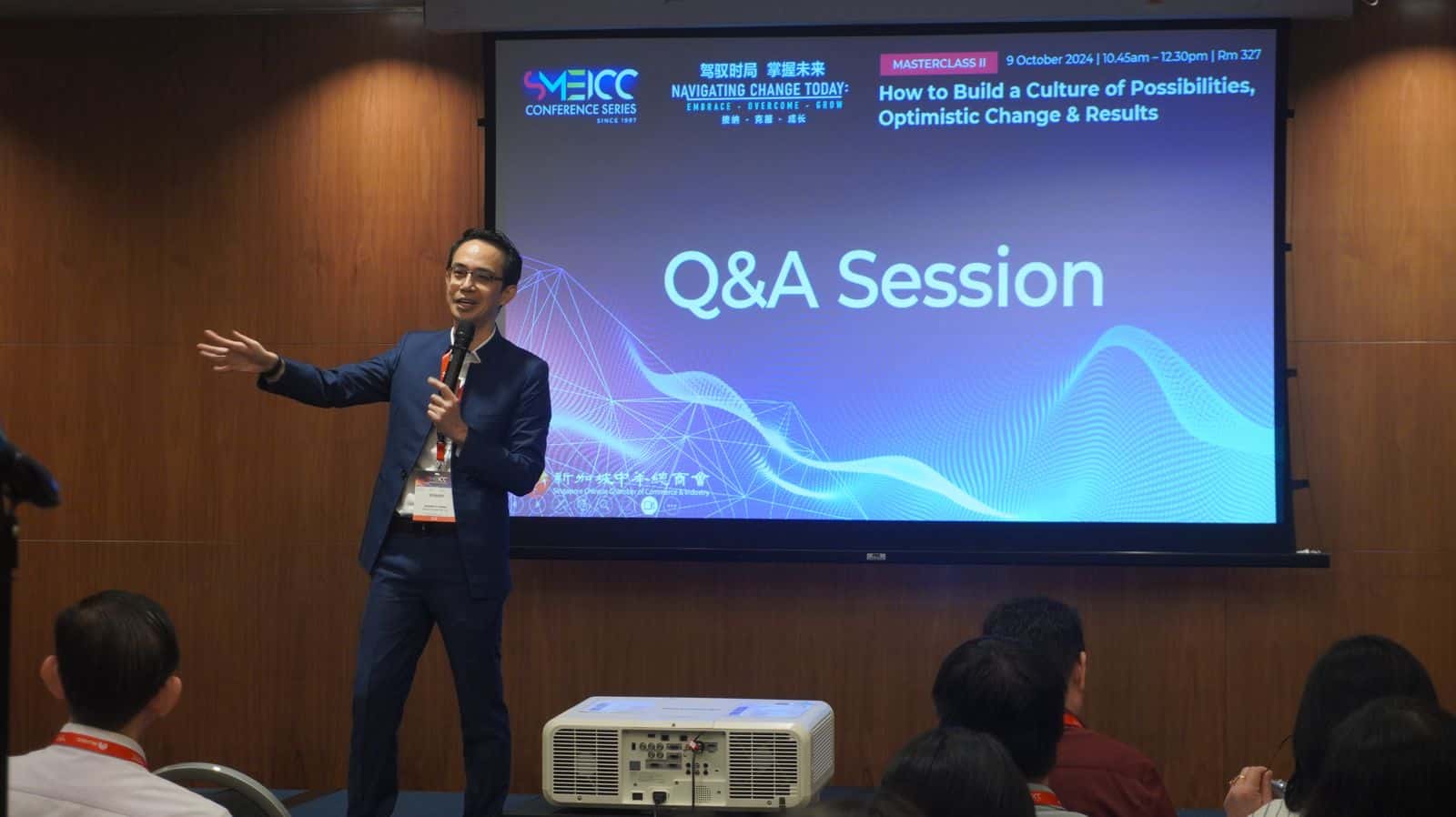
Every year, organisations spend significant money on leadership events, summits, conferences, and corporate retreats. These events are meant to educate, inspire, align strategy and energise teams. But what most leaders don’t realise is that one simple mistake choosing the wrong speaker can turn that strategic investment into a squandered opportunity. The right choice can make all the difference in ensuring your event achieves its goals and leaves a lasting impact.
Everyone remembers the venue, the catering, the schedule… but the speaker? They set the tone for everything. The right keynote speaker can set the tone for your entire event, energising your attendees and leaving them with valuable takeaways.
And yet, most planners still select speakers based on recognition, popularity, or buzz, not on strategic fit and measurable impact. That’s a costly mistake one many organisations live to regret.
Let’s unpack why this matters, what the data says, and how leaders can do it right.
Corporate leaders often default to thinking of speakers as “nice extras” something that fills a slot on the agenda. But data shows that speakers are strategic levers, not logistics details.
A study of corporate keynote speakers found that:
When choosing a corporate keynote speaker, companies must align the speaker's expertise, engaging style, and unique message with specific event goals and audience needs. Ensuring the speaker’s message supports your next event goals is essential for achieving the desired outcomes and maximising impact.
Here’s the part: not all speakers deliver value equally.
Despite the allure of celebrity speakers, only 12% of companies believe high‑profile “headliners” deliver the best return on investment. In contrast, thought leaders and bestselling authors were perceived as far more impactful.
What this tells us is that recognition alone doesn’t guarantee relevance or impact and that’s where most leaders trip up.
Imagine this: you pay a premium to bring a well‑known speaker one with viral social media clips and press mentions only to find that most of your audience walked away with only a few quotable phrases and no actionable insight. Ouch.
A misaligned speaker can cost you:
Events with poorly matched speakers often suffer from low attendee engagement. One industry survey found that 85% of attendees believe the keynote speaker is the most critical factor in overall event satisfaction (Martin Newman Team, 2024). Captivating audiences is a key trait of effective corporate keynote speakers, as their ability to deliver engaging and memorable speeches can significantly enhance the impact of an event.
Keynote speakers maximise engagement by adapting their message to the specific needs of the audience. If the speaker fails to connect, satisfaction drops along with the perceived value of the entire event.
Events should move organisations forward whether through cultural alignment, new skill adoption, or strategic clarity. A one‑off talk that isn’t tied to these goals will likely have minimal follow‑through. Without actionable takeaways, audiences are less likely to implement new ideas, resulting in minimal follow-through. Effective keynote speeches often include actionable takeaways that audiences can implement in their personal or professional lives. Without alignment, event organisers risk creating momentary excitement with no lasting change.
While many speakers can inspire, only the right ones drive measurable outcomes. Having a speaker simply because they’re famous doesn’t guarantee a return especially if the audience can’t apply the ideas or if the message isn’t reinforced post‑event.
This is why leaders who default to visibility over relevance often find their events felt “good at the moment” but not impactful in the long run. Choosing the right corporate keynote speaker is essential for a successful event, as they should bring credibility, professionalism, and inspiration to ensure the event achieves its goals.
This is where 90% of leaders get it wrong.
Many planners believe big names = big impact. But the data suggests otherwise:
Authenticity and 'substance over fame' are critical in selecting corporate keynote speakers. A most sought after speaker is highly regarded not for celebrity status, but for their expertise, ability to inspire, and the value they bring through compelling narratives and relevant insights.
This makes sense when you think about how adults learn and change. Leaders don’t respond to celebrity alone they respond to relevance, resonance, and actionable insight. A speaker who directly addresses your organisation’s current challenges, industry context, and strategic priorities is far more likely to shift thinking and behaviour than one who merely entertains.

Great speakers do three key things that separate them from the merely famous: They strengthen organisational resilience and adaptability, delivering presentations that leave a lasting impression and inspire meaningful change long after the event ends.
The strongest speakers don’t just present ideas they translate strategy into stories, share insights that people recognise themselves in.
In my experience, when a message is anchored in real organisational tensions, lived leadership moments, and familiar trade-offs, leaders lean in.
Compelling presentations often include personal stories and experiences that resonate with corporate audiences, fostering a sense of shared purpose. They stop listening politely and start listening personally. That’s when strategic priorities stop sounding abstract and begin to feel relevant to daily decisions.
In many leadership events I’ve been part of, the difference between a “good talk” and a useful one comes down to this: can leaders apply it on Monday?
High-impact speakers move beyond inspiration and offer clear frameworks, language, and questions leaders can immediately use with their teams. The most effective corporate keynote speakers provide actionable insights practical, implementable knowledge that leaders can use to make informed decisions and improve team performance.
This effectiveness is further enhanced when the speaker tailors their message to the specific needs of the audience. When participants leave saying, “I know exactly how I’ll run my next conversation differently,” behaviour change actually begins.
The most effective speakers don’t choose between data and empathy they use both. From what I’ve seen, leaders change not when they’re told what’s wrong, but when they understand why it matters and how to act differently.
Combining evidence, real case examples, and human insight, great speakers help audiences think clearly and feel motivated a combination that drives follow-through. The most effective corporate keynote speakers leave a lasting impression as they resonate with the unique challenges and opportunities of their audience.
This isn’t just anecdotal. Corporate speaking research consistently shows that events featuring highly rated, strategically aligned speakers experience tangible performance lifts: engagement scores increase by as much as 40%, key messages are retained 60% more effectively, and attendees are 50% more likely to recommend the event to others (Stanford University, 2016).
If you think about what leaders really care about engagement, mindset shifts, performance improvements the right speaker becomes not a cost centre but a strategic investment. Top-tier speakers typically invest 5–10 hours researching an organisation’s culture and challenges before presenting, ensuring their message resonates with the audience.
When you step back and look at what leaders actually measure engagement, shifts in thinking, and performance over time the right speaker is not a cost centre. It is a strategic investment.
A top keynote speaker influences how people interpret priorities, talk about challenges and act once the event is over. That influence shows up in metrics leaders already track, even if it is not always labelled as “speaker impact.”
Audience Engagement
Engagement goes beyond energy in the room. When people feel that a speaker understands their reality, the message travels. It shows up in the conversations that happen after the session, the questions managers start asking, and the language teams begin to use. This post-event dialogue extends the reach of the message well beyond the event hall and increases the likelihood that ideas are absorbed rather than forgotten.
Behavioural Shift
Behaviour does not change without a shift in thinking first. Effective speakers help leaders see familiar challenges from a different angle, making new behaviour feel logical rather than forced. Clear takeaways are a hallmark of effective keynote speakers, as they instil complex ideas into actionable insights that drive measurable improvements in team performance, accountability, and retention.
Cultural Alignment
Culture is shaped by what is reinforced consistently. Speakers who echo the organisation’s strategic direction help create shared understanding across levels and functions, something internal communications alone often struggle to achieve. When leaders hear the same message articulated clearly and credibly, alignment strengthens and mixed signals reduces.
Sustained Impact
The event itself is only the opening moment. Research shows that when key messages are reinforced by leaders in the weeks following an event, their influence can extend for six weeks or longer. This window matters. It is where habits begin to form, priorities are tested in real situations, and organisational narratives either stick or fade. Speakers who provide language, frameworks, or reference points make this reinforcement easier and far more effective.
Taken together, these outcomes explain why speaker quality matters far more than speaker popularity. The right choice supports engagement, accelerates behaviour change, strengthens alignment, and increases the return on leadership investment long after the stage lights are off.
So what separates organisations that get value from those that get regrets?
Organisations seeking business transformation should prioritise corporate keynote speakers who are real-world leaders with real battle scars and the playbooks to prove it.
Here’s a roadmap for selecting speakers strategically:
Before reviewing speaker reels or profiles, effective organisations clarify the outcomes they want from the event. Whether the objective is strategic alignment, stronger leadership capability, morale recovery, or behaviour change, this clarity anchors every downstream decision. When goals are defined upfront, organisations are far less likely to be distracted by name recognition, social media popularity, or surface-level charisma and far more likely to select a speaker who serves a real business purpose.
Strong stage presence may win applause, but it doesn’t guarantee impact. Organisations that see real ROI look closely at a speaker’s track record: previous client feedback, evidence of measurable outcomes, and consistency of results across engagements. Practical experience is especially valuable, as it ensures the speaker can draw on practical expertise and industry knowledge to address client challenges effectively. Research repeatedly shows that thought leaders and authors with deep, specialised expertise often outperform general celebrity speakers because their insights are grounded in real-world application rather than performance alone.
A speaker can be outstanding in their own field and still miss the mark if their expertise doesn’t align with the audience’s reality. High-performing organisations assess whether the speaker’s domain knowledge, examples, and language directly reflect the challenges their leaders and teams are facing. A deep understanding of the audience’s challenges and context is essential for an effective top keynote speaker, as it enables them to deliver relevant and impactful messages. Relevance not brilliance in isolation is what ensures the message lands and drives engagement.
The keynote should be the starting point, not the finish line. Organisations that maximise value intentionally reinforce key messages through post-event summaries, facilitated discussions, follow-up workshops, or integration into leadership and coaching programmes. Reinforcing the actionable strategies provided by the right keynote speaker through these follow-up activities ensures that practical methods are adopted and sustained within the organisation. This reinforcement turns ideas into shared language and helps embed new thinking into everyday leadership behaviour.
Applause and positive reactions provide limited insight into real impact. Strategic organisations measure changes that matter: shifts in engagement, adoption of desired behaviours, quality of leadership conversations, and progress against organisational goals. It is also important to track the adoption of practical strategies shared by corporate keynote speakers, ensuring that actionable tools and advice are being implemented across the organisation. Tracking these indicators transforms speaker investment from a feel-good moment into evidence-based organisational learning and strengthens the case for future leadership initiatives.
This turns speaker investment into evidence‑based organisational learning and helps justify future spend.
Corporate events are not neutral moments. They reflect what an organisation values, prioritises, and is willing to act on. A leadership summit, in particular, is a compressed expression of strategy. It signals what matters now and what behaviours are expected next. When speaker selection is treated as a deliberate decision rather than a default one, the event becomes more than a calendar milestone. It becomes a catalyst.
The right speaker does more than inform or entertain. They help leaders make sense of complexity, connect organisational strategy to real experience, and create a shared narrative people carry back into their teams.
Effective corporate keynote speakers can drive organisational transformation by guiding companies through significant change, innovation, and leadership development to achieve strategic goals and enhance organisational effectiveness. They often focus on themes of resilience and adaptability in the face of change.
This is where leverage sits. Organisations that approach speaker selection thoughtfully do not just run better events. They build momentum. The speaker reinforces strategic priorities, shapes leadership language, and accelerates alignment. Those that treat speaker selection as a logistical task may get applause, but rarely get sustained impact.
Expectations of speakers have shifted alongside changes in how work actually happens. The future of work, driven by technological advancements and workforce transformation, is shaping what organisations look for in corporate keynote speakers.
Today, audiences are seeking 'edutainment' content that is engaging and deeply practical rather than generic motivational speeches. Leaders today face tighter timelines, heavier people responsibility, and constant pressure to deliver results.
As a result, they are more discerning about the insights they expect from a speaker and less tolerant of generic motivational content.
Facts alone rarely change behaviour. Stories do. Research shows ideas embedded in narrative are remembered up to 22 times more effectively than standalone data. That is why speakers who use business grounded stories drawn from real leadership dilemmas and consequences consistently outperform those who rely on slides. Memorable presentations are often built on compelling stories that stick with the audience long after the event. Stories allow leaders to recognise themselves in the message, not just understand it intellectually.
With engagement under strain and workplace pressures rising, leaders want more than feel‑good messages. They seek practical guidance on managing difficult conversations, setting realistic expectations, and maintaining performance without exhausting their teams. Speakers who address well‑being through the lens of day‑to‑day leadership practice resonate far more than those offering abstract encouragement.
Emotional intelligence and being solution-focused is increasingly recognised as a vital skill for modern leadership, enabling leaders to support mental health, encourage teamwork, and build stronger relationships within organisations. Corporate keynote speakers can highlight how emotionally intelligent and solution-focused leadership can drive organisational growth and resilience.
There is growing scepticism toward superficial expertise. Audiences quickly sense when a speaker lacks real organisational experience. Leaders place greater value on speakers who have worked inside complex systems and understand constraints, trade-offs, and consequences, not just theory. Deep expertise in areas like organisational transformation, leadership development and innovation sets effective corporate keynote speakers apart, ensuring their insights are both credible and actionable.
Leaders also want ideas that extend beyond the session itself. Speakers who provide clear frameworks, shared language, or models that can be applied in leadership conversations and programmes are seen as contributors to genuine change, rather than one‑off performers.
In particular, corporate keynote speakers who emphasise soft skills such as trust, honest communication, and team cohesion support organisational health and leadership effectiveness. Furthermore, deep, unique knowledge that aligns with your event’s theme offers an insider perspective, making the speaker’s contribution even more valuable.
When you look beyond the event, the real value shows up in what leaders do differently over time. A strategically chosen speaker helps organisations move from intention to action by reinforcing the leadership behaviours they already want to see more of.
Incorporating leadership development into these presentations enhances organisational growth, fosters high-performing teams, and cultivates resilient, innovative leaders. Keynote speakers can tailor their presentations to address specific audience needs and challenges, ensuring the message is relevant and impactful.
Instead of introducing another disconnected idea, the message strengthens existing priorities, gives leaders clearer language to talk about change, and makes progress feel achievable rather than overwhelming.
This continuity supports a steady behaviour shift rather than short-lived enthusiasm.
That is why leaders who prioritise strategic alignment over superficial metrics see stronger and more durable long-term outcomes.
Choosing a speaker based on profile or popularity might fill a slot but selecting a speaker based on impact and relevance drives real business results.
When you shift your focus from fame to fit, from flash to substance, and from applause to outcomes, you transform your event from a moment of entertainment into a strategic catalyst for organisational acceleration.
If you want events that truly matter ones that influence behaviour, reinforce strategy, and deliver measurable returns then speaker selection must be treated as a strategic investment, not a checkbox.
When speaker selection is treated as a strategic decision, events stop being isolated moments and start driving real outcomes.
If you want a clear, disciplined approach to choosing speakers who reinforce strategy, shape leadership behaviour, and deliver measurable impact, I can help you define the right criteria, assess fit, and make confident choices. Working with experienced business speakers ensures your event benefits from a wide range of expertise and delivers maximum value. The result is an event that sets a benchmark for value, not just attendance.
Read more: Keynote Speakers for Business Who Motivate Teams and Enhance Company Performance